Uncovering the Major Origins of Water Contamination
Examining Chemical Pollutants and Their Hazardous Impacts
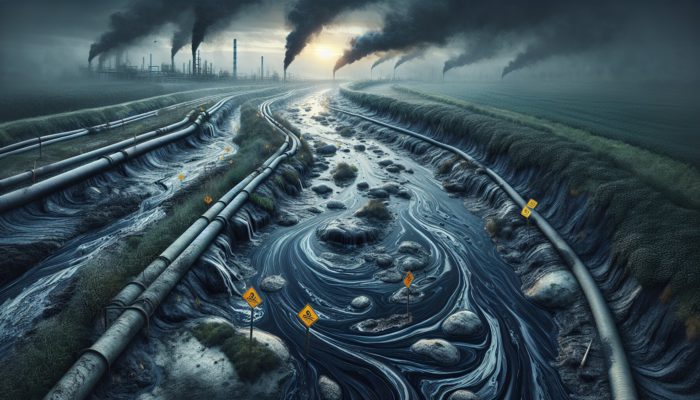
Understanding Water Contamination Risks is essential, as Chemical pollutants represent one of the most critical threats to global water quality. These toxic substances usually emanate from various sources such as industrial activities, agricultural runoff, and improper waste disposal, each contributing to significant health and environmental risks. For instance, runoff from farmland frequently transports fertilisers and pesticides, which can seep into nearby rivers and lakes via surface drainage. Moreover, heavy metals such as lead and mercury can infiltrate groundwater from industrial waste. Addressing these pressing challenges necessitates stricter regulations and enhanced agricultural practices. Notable examples of chemical pollutants include:
- Nitrates
- Phosphates
- Pesticides
- Heavy metals (including lead, mercury, and arsenic)
- Pharmaceuticals
- Volatile organic compounds (VOCs)
- Industrial solvents
- Microplastics
Each of these contaminants is associated with various health issues, underscoring the urgent necessity for robust regulatory frameworks and increased public awareness regarding the significance of maintaining water quality.
Identifying Biological Contaminants and Their Health Risks
Biological contaminants, which include bacteria, viruses, and parasites, pose a substantial threat to water safety and can lead to severe health complications worldwide. These microorganisms typically infiltrate water systems through numerous channels, such as sewage spills, agricultural runoff, and flooding events. For example, outbreaks of diseases like cholera and dysentery have been directly connected to contaminated well water, particularly in rural areas of developing countries where sanitation infrastructure is insufficient. Protecting our water sources from biological contamination is crucial for safeguarding public health and preventing disease outbreaks.
To mitigate these risks, communities should adopt effective waste management practices, maintain sanitary conditions in agricultural activities, and enhance water treatment systems. Regular monitoring and testing of water sources for biological agents are essential steps to preempt outbreaks and protect vulnerable populations.
Evaluating the Adverse Effects of Physical Contaminants on Water Quality
Physical contaminants, including sediment, debris, and plastics, can severely diminish water quality, rendering it unsuitable for both human consumption and industrial applications. For example, sediment can cloud bodies of water, decreasing light penetration and adversely affecting aquatic ecosystems. Additionally, debris can provide a breeding ground for harmful microorganisms and chemicals, exacerbating water quality concerns. In urban settings, stormwater runoff often carries a mix of physical contaminants into local waterways, intensifying pollution challenges.
To effectively combat physical contamination, it is vital to implement strategies such as establishing buffer zones along water bodies, routinely cleaning water systems, and adopting sustainable urban drainage practices. These measures not only improve water quality but also foster healthier ecosystems and enhance recreational opportunities for local communities.
Gaining Critical Insights into the Dangers of Water Contamination

Exploring the Health Effects of Water Contamination on Communities
The health consequences of water contamination are significant and multifaceted. Contaminated water can result in a plethora of health issues, ranging from gastrointestinal diseases such as diarrhoea to more severe conditions, including cancer and neurological disorders. Regions lacking adequate water treatment facilities, especially in areas of Africa and South Asia, continue to struggle with outbreaks of diseases linked to pathogens in water, leading to high rates of morbidity and mortality.
Real-world instances highlight the direct correlation between contaminated water and health crises. The Flint water crisis in the United States stands out as a significant case, demonstrating how lead contamination in drinking water can produce dire health outcomes, including developmental delays in children. Such occurrences emphasise the pressing need for effective water quality management and public health interventions.
Assessing the Environmental Impact of Water Contamination
Water contamination wreaks havoc on the environment, jeopardising ecosystems and biodiversity. Pollutants disrupt aquatic life, resulting in species decline and alterations in food chains. For instance, nutrient pollution from agricultural runoff can instigate eutrophication in rivers and lakes, leading to harmful algal blooms that reduce oxygen levels and create dead zones where aquatic organisms cannot thrive.
To alleviate environmental damage, a comprehensive approach is necessary. Communities and industries should embrace sustainable practices, such as minimising fertiliser application, restoring wetlands, and endorsing conservation initiatives. Engaging stakeholders in environmental protection efforts fosters a collective responsibility for maintaining clean water resources and vibrant ecosystems.
Investigating the Socioeconomic Effects of Water Contamination

The socioeconomic consequences of water contamination are far-reaching, affecting communities on multiple levels. Beyond increased healthcare costs associated with waterborne illnesses, contaminated water can result in diminished agricultural productivity, threatening food security and local economies. The financial burden of managing polluted water frequently disproportionately impacts vulnerable populations, exacerbating existing social inequalities.
Expert assessments indicate that the economic effects of water contamination can manifest in stagnant property values, reduced tourism revenue, and heightened healthcare and remediation costs. Tackling these challenges through investments in clean water infrastructure and public health initiatives is essential for fostering sustainable economic growth and enhancing community resilience.
What Techniques Are Available for Detecting Water Contamination?
Exploring Effective Testing Methods for Water Contamination
Testing methods for water contamination are crucial for ensuring safety and compliance with established water quality standards. A range of detection techniques has been developed to identify chemical, biological, and physical contaminants in water supplies. The most prevalent testing methods include:
- Chemical analysis (e.g., mass spectrometry)
- Biological assays (e.g., culturing bacteria)
- Field tests for specific contaminants (e.g., pH, turbidity)
- Remote sensing technology for monitoring surface water quality
- Microbial source tracking methods
- Continuous monitoring using smart sensors
- Laboratory analysis of water samples
- DNA-based detection techniques
Utilising a combination of these methods ensures a thorough assessment of water quality, enabling authorities and communities to take prompt action to mitigate associated risks.
Determining the Recommended Frequency for Water Quality Testing
Regular testing is imperative for maintaining water quality and swiftly identifying any contamination issues. The frequency of testing should be dictated by factors such as the water source, its intended use, and the potential associated risks. For example, municipal water systems usually adhere to strict testing schedules, often mandated by regulatory bodies, which may necessitate daily or weekly evaluations for key contaminants.
Conversely, private wells may not require as frequent testing; however, homeowners are encouraged to evaluate their water quality at least once annually or following significant environmental events, such as flooding. Establishing clear guidelines for testing frequency ensures that all water sources are adequately monitored, thereby protecting public health and environmental integrity.
Understanding How to Decode Water Quality Test Results
Interpreting the outcomes of water contamination tests is crucial for making informed, appropriate decisions. Key indicators in test results include contaminant concentration levels, the presence of specific pathogens, and deviations from established water quality standards. For instance, if nitrate concentrations surpass safe limits, immediate action may be necessary to avert adverse health consequences.
Effective interpretation necessitates collaboration between water quality experts, public health officials, and community stakeholders. By ensuring clear communication and actionable next steps, communities can respond effectively to contamination incidents and enhance their overall water safety measures.
Comprehending Regulatory Standards and Guidelines for Water Quality Management
Adherence to local and international water quality standards is paramount for safeguarding public health and environmental well-being. Key regulations, such as the Safe Drinking Water Act in the United States and the European Union’s Water Framework Directive, establish stringent guidelines regarding permissible contaminant levels in drinking water. These regulations profoundly influence testing protocols, necessitating regular monitoring and reporting to ensure compliance.
Awareness of these regulations empowers communities to advocate for enhanced water management practices and ensures that local water utilities maintain high water quality standards. Ongoing engagement with regulatory bodies also facilitates timely updates concerning emerging contaminants and necessary modifications to testing protocols.
Implementing Robust Prevention Strategies Against Water Contamination
Strengthening Regulatory Measures for Water Quality Protection
Regulatory measures play a vital role in preventing water contamination by establishing standards for water quality and enforcing compliance protocols. Governments and regulatory agencies globally implement policies to limit pollutant discharges into water bodies, ensuring that water remains safe for human consumption and environmental health.
These regulations typically encompass permitting processes for industrial discharges, requirements for sewage treatment, and guidelines for agricultural practices. Effective enforcement of these regulations is crucial; without it, pollution can easily compromise water supplies. Communities can actively engage in advocacy efforts to promote stricter regulations and ensure compliance, thereby enhancing local water quality.
Leveraging Technological Innovations to Combat Water Contamination
Innovative technologies are transforming strategies for preventing water contamination. Among the most effective solutions are advanced filtration systems, capable of removing a wide array of contaminants from water before it reaches consumers. Technologies such as reverse osmosis, activated carbon filters, and ultraviolet disinfection are essential in improving water safety.
In addition to filtration, monitoring technologies, including IoT sensors and AI-driven analytics, can provide real-time data on water quality, enabling rapid responses to potential contamination events. Investing in these technologies not only protects water resources but also promotes sustainable practices across various sectors, including agriculture and municipal water management.
Engaging Communities in Water Protection Initiatives
Community involvement in water protection efforts is crucial for bolstering prevention strategies. Local outreach programmes can educate residents about the risks associated with water contamination and empower them to take proactive measures, such as reporting pollution incidents or participating in water quality testing initiatives. Community engagement fosters a sense of ownership and accountability towards local water resources.
Effective community engagement strategies may encompass organising workshops, developing informative campaigns, and collaborating with local organisations to promote water conservation practices. By raising awareness and encouraging collective action, communities can significantly diminish the risks of water contamination and ensure sustainable water management.
What Are the Long-Term Consequences of Water Contamination?
Examining the Health Risks Associated with Contaminated Water Exposure
Long-term exposure to contaminated water can result in severe chronic health conditions, including cancer, reproductive issues, and developmental disorders. The cumulative effects of prolonged exposure to low-level toxins can create significant health challenges for affected populations. For instance, communities exposed to arsenic in drinking water have reported increased rates of skin lesions and various forms of cancer.
Preventing these enduring health impacts necessitates robust public health interventions and ongoing water quality monitoring. Strategies such as community health education, routine health screenings, and guaranteeing access to safe drinking water are essential for alleviating the long-term effects of water contamination.
Assessing Environmental Degradation Resulting from Water Contamination
Environmental degradation stemming from water contamination can lead to irreversible damage over time. Pollutants disrupt ecosystems, causing biodiversity loss and altering habitats. For example, the accumulation of plastics and chemicals in marine environments can dramatically reduce fish populations and other aquatic species, resulting in cascading effects on entire ecosystems.
Tackling environmental degradation necessitates coordinated efforts among governments, NGOs, and local communities. Sustainable practices such as habitat restoration and pollution prevention initiatives are vital for preserving ecosystems and ensuring the health of our natural resources.
Understanding the Economic Impact of Water Contamination
The long-term economic repercussions of water contamination are considerable, affecting everything from property values to healthcare expenditures. Communities affected by polluted water supplies often experience declines in property values, as potential buyers may be deterred by health risks associated with contaminated sources. Additionally, rising healthcare costs related to treating waterborne diseases can burden public health systems and local economies.
Investing in clean water infrastructure and pollution prevention measures can yield substantial economic benefits over time. Such investments not only protect public health but also stimulate economic growth by attracting businesses and enhancing overall community well-being.
Implementing Reliable Strategies to Mitigate Water Contamination Risks
Establishing Effective Policies for Water Management
Robust policies are essential for managing water contamination risks effectively. Best practices for policy implementation include creating clear water quality standards, ensuring stakeholder involvement, and providing adequate funding for enforcement and monitoring initiatives. Governments must actively engage with communities to develop policies that address local needs and challenges.
Successful policy initiatives often combine regulatory measures, incentives for pollution reduction, and support for innovative technologies. By fostering a collaborative approach, policymakers can enhance water management strategies and build resilient communities capable of addressing contamination risks effectively.
Advancing Public Education on Water Safety Practices
Educating the public about water contamination risks is vital for promoting safer water practices and encouraging community participation in prevention initiatives. Public education campaigns can raise awareness about the sources and consequences of water contamination, empowering individuals to take proactive steps to protect their water sources.
Community workshops, informational resources, and outreach programmes can provide valuable insights into safe water practices and the significance of reporting pollution incidents. By equipping individuals with the necessary tools and knowledge, communities can drive meaningful change and enhance overall water safety.
Establishing Comprehensive Monitoring Systems for Water Quality
Effective monitoring systems are critical for promptly identifying and responding to water contamination incidents. Successful monitoring frameworks utilise a combination of real-time data collection, advanced analytical tools, and community involvement to ensure thorough assessment and response capabilities. Examples of effective monitoring systems include implementing smart sensors in urban waterways and community-led water testing programmes.
By adopting such systems, communities can detect contamination events early, enabling them to take swift response measures and mitigate associated risks. Continuous investment in monitoring technologies and public engagement is vital for maintaining high water quality standards and safeguarding public health.
Exploring Treatment Options for Contaminated Water
Utilising Filtration Systems for Comprehensive Water Purification
Filtration systems serve as a primary method for eliminating a wide range of contaminants from water, significantly improving its safety for consumption. Among the most effective filtration options are reverse osmosis units, which can remove heavy metals and dissolved solids. Activated carbon filters are another popular choice, effectively reducing chlorine and organic compounds that may negatively affect taste and odour.
Moreover, point-of-use filters are increasingly being adopted in households, allowing residents to treat their water directly at the tap. Investing in suitable filtration technologies is vital for ensuring access to safe drinking water, particularly in areas prone to contamination.
Implementing Chemical Treatment Solutions for Enhanced Water Safety
Chemical treatments provide viable solutions for neutralising harmful substances in water, making it safe for various applications. Common chemical treatments encompass chlorination, which disinfects water by eliminating bacteria and viruses, and Coagulation, which aids in removing suspended solids. Other methods, such as ozonation and hydrogen peroxide treatments, can effectively diminish organic contaminants.
- Chlorination
- Ozonation
- Hydrogen peroxide treatment
- Coagulation
- pH adjustment
- Activated carbon adsorption
- Ion exchange
- Advanced oxidation processes
Selecting the appropriate chemical treatment method depends on the specific contaminants present and the intended use of the water. Proper execution of these treatments can significantly enhance water quality and safety.
Exploring Biological Remediation Techniques for Sustainable Water Purification
Biological remediation offers an innovative solution that utilises microorganisms to break down contaminants in water, providing a sustainable treatment alternative. This method is particularly effective for organic pollutants, as specific bacteria can metabolise harmful substances, converting them into harmless byproducts.
Implementing biological remediation strategies can be especially advantageous in polluted environments where conventional treatment methods may be less effective. By harnessing nature's capabilities, communities can rehabilitate contaminated water bodies while promoting ecological balance and sustainability.
Understanding the Impact of Water Contamination on Agriculture
Assessing the Effects of Water Quality on Crop Health and Productivity
Water contamination can significantly affect crop health, leading to reduced yields and posing risks to food safety. When irrigation water is tainted, it can introduce harmful pathogens and toxins into crops, resulting in diminished agricultural productivity and compromised crop quality. Farmers may observe signs of contamination, such as stunted growth or discoloration in plants, indicating the presence of pollutants in the water.
To alleviate these risks, agricultural practices must prioritise the utilisation of clean water sources for irrigation. Conducting water quality tests prior to use and adopting sustainable farming techniques can help protect crops and guarantee food safety for consumers.
Long-Term Effects of Contaminated Water on Soil Quality and Health
Water contamination can lead to the degradation of soil quality, adversely impacting long-term agricultural productivity. Pollutants in water can disrupt soil pH, nutrient availability, and microbial activity, all of which are critical for cultivating healthy crops. Contaminated water can also lead to the accumulation of harmful substances in the soil, which can persist for years and affect future planting cycles.
Tackling soil contamination requires a comprehensive approach, including rehabilitating affected soils, employing bioremediation techniques, and promoting sustainable water management practices that protect both water and soil quality.
Investigating the Implications of Contaminated Water on Livestock Health
Livestock exposed to contaminated water may experience various health complications, ultimately impacting the agricultural sector. Waterborne pathogens, chemicals, and heavy metals can lead to decreased productivity, reproductive issues, and even mortality among livestock. Farmers may notice symptoms such as reduced feed intake, illness, or reproductive failures in animals consuming contaminated water sources.
To safeguard livestock health, farmers must ensure they supply clean water sources, routinely test water quality, and implement preventive measures to minimise contamination risks. Ensuring the health of livestock not only supports animal welfare but also contributes to the economic viability of agricultural operations.
Understanding the Economic Consequences of Water Contamination for Farmers
Water contamination can result in significant financial losses for farmers, arising from decreased crop yields and increased healthcare management costs for livestock. When water sources are polluted, the expenses associated with securing alternative water supplies or treatment solutions can escalate quickly. Furthermore, farmers may incur losses due to the decreased marketability of produce contaminated with these substances.
Investing in clean water infrastructure and pollution prevention measures can yield long-term economic benefits for agricultural communities. By championing sustainable practices and ensuring access to safe water, farmers can protect their livelihoods while bolstering food security.
Anticipating Future Trends in Water Contamination Management
Embracing Technological Innovations for Advanced Water Quality Management
Emerging technologies hold tremendous promise for novel solutions to manage water contamination, enhancing our capability to monitor, detect, and remediate pollutants effectively. AI-driven monitoring systems, for instance, can analyse real-time data to identify potential contamination events before they escalate into crises. Additionally, advancements in treatment technologies, such as membrane filtration and photocatalysis, offer innovative methods for purifying water.
These technological advancements not only bolster our ability to manage water quality but also drive efficiency in water usage across various sectors. As innovation progresses, communities will gain access to improved tools and strategies for effectively combating water contamination.
Monitoring Policy Developments in Water Quality Management
Adapting policies will be crucial in addressing the challenges posed by water contamination. Expected future policy changes may include stricter regulations on industrial discharges, incentives for sustainable agricultural practices, and increased support for research and development in water treatment technologies. Policymakers must remain flexible to emerging contaminants and public health concerns.
Proactive policy development can ensure that communities are well-equipped to respond effectively to water quality challenges, promoting safer and more sustainable water management practices globally.
Encouraging Community Initiatives for Effective Water Protection
Community-led initiatives are becoming increasingly essential in managing water contamination risks. Local solutions foster resilience as communities collaborate to address specific water quality challenges in their regions. Examples include neighbourhood water testing programmes, cleanup events, and educational workshops aimed at raising awareness and encouraging proactive action.
By involving community members in water management efforts, stakeholders can cultivate a culture of responsibility and stewardship, enhancing the overall effectiveness of water protection strategies. Empowering local voices ensures that solutions are tailored to meet the unique needs and circumstances of each community.
Fostering International Collaboration for Improved Water Quality Management
Global partnerships are vital for sharing knowledge and resources to combat water contamination on an international scale. Collaboration among nations, NGOs, and international organisations enhances collective action and drives innovation, leading to more effective solutions. Initiatives like the UN's Sustainable Development Goals highlight the importance of clean water and sanitation as fundamental human rights.
Through international collaboration, communities can learn from each other's successes and challenges, fostering a global movement towards improved water quality management. Sharing research, technology, and best practices can significantly enhance our capacity to address water contamination effectively and sustainably.
Frequently Asked Questions About Water Contamination Risks
What Are the Primary Sources of Water Contamination?
Water contamination predominantly arises from Chemical pollutants, Biological contaminants, and Physical contaminants. Agricultural runoff, industrial discharges, sewage spills, and sedimentation are common sources that can undermine water quality.
How Does Water Contamination Impact Public Health?
Water contamination can lead to numerous health challenges, including gastrointestinal diseases, neurological disorders, and even cancer. Vulnerable populations may face heightened risks due to exposure to polluted water sources.
What Techniques Are Utilised to Detect Water Contamination?
Detection techniques for water contamination encompass Chemical analysis, Biological assays, Remote sensing technology, and continuous monitoring systems. Testing frequency and methods vary based on the water source and its intended use.
What Are the Long-Term Consequences of Contaminated Water?
Long-term exposure to contaminated water can lead to chronic health issues, environmental degradation, and economic consequences for affected communities. These impacts can persist for years, affecting quality of life and ecosystem health.
How Can Communities Prevent Water Contamination?
Communities can prevent water contamination through Regulatory measures, Technological solutions, and Public education. Engaging residents in water protection efforts fosters a culture of stewardship and accountability.
What Are Some Treatment Options for Contaminated Water?
Treatment options for contaminated water include Filtration systems, Chemical treatments, and Biological remediation. Each option targets specific contaminants and can enhance water quality for various uses.
How Does Water Contamination Affect Agriculture?
Water contamination has a detrimental impact on agriculture, harming crop health, degrading soil quality, and affecting livestock health. This can lead to reduced yields and increased costs for farmers.
What Are the Economic Consequences of Water Contamination?
The economic ramifications of water contamination encompass increased healthcare costs, reduced property values, and financial losses for farmers. These impacts can strain local economies and public health systems.
What Future Trends Are Emerging in Water Contamination Management?
Future trends in water contamination management include technological advancements, evolving policies, community initiatives, and international collaboration. These trends aim to enhance water quality and promote sustainable practices.
Why Is Public Education Important in Water Contamination Management?
Public education is crucial in water contamination management as it raises awareness of risks, encourages preventive measures, and empowers individuals to take action to protect water resources and public health.
Explore our world on X!
The post Water Contamination Risks: A Universal Concern appeared first on Survival Bite.
The Article Water Contamination Risks: A Global Challenge Was Found On https://limitsofstrategy.com