Comprehensive Guide to Microchip Implantation for Pets
What is Microchip Implantation in Pets and How Does It Work?
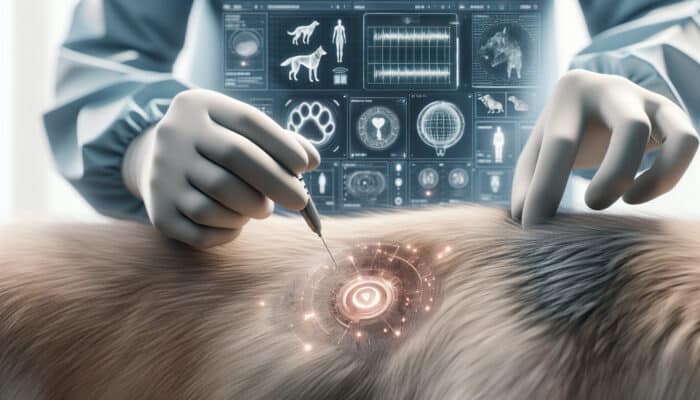
Microchip implantation represents a crucial aspect of veterinary care that involves the insertion of a tiny electronic chip, similar in size to a grain of rice, beneath the skin of an animal, typically situated between the shoulder blades. This microchip contains a unique identification number that can be easily scanned with a handheld device, enabling access to essential details about the pet, including the owner’s contact information. This method is not only secure and efficient, but it also serves as a vital mechanism for reuniting lost pets with their families, particularly in situations where pets might stray during outings or explorations.
Unlike collars or tags that can be easily lost or removed, microchips provide a permanent solution for pet identification. The implantation procedure is quick and involves minimal discomfort, making it suitable for pets of all ages and sizes. By having your pet microchipped, you are taking an important proactive measure towards their safety, which is especially crucial in various environments, from busy urban landscapes to peaceful rural settings.
Discover the Key Benefits of Microchipping Your Pets
The benefits of microchipping pets are numerous, providing both emotional comfort and practical advantages. Firstly, microchipping significantly improves the odds of reuniting lost pets with their owners. Research indicates that microchipped pets are significantly more likely to return home compared to those without any form of identification. This feature is particularly important in emergencies, where swift identification can lead to quicker recoveries. Moreover, microchips offer a permanent identification method that accompanies the pet throughout its lifetime.
- Permanent identification that cannot be lost or removed
- Increased likelihood of reuniting lost pets with their families
- Aids in effective pet population management, reducing the number of stray animals
- Provides peace of mind for responsible pet owners
- Quick, simple, and stress-free procedure
- Safe for pets of all ages and breeds
- No ongoing maintenance required
Furthermore, microchipping plays a vital role in managing pet populations and decreasing the number of stray animals. Being a responsible pet owner means ensuring that pets can be identified and returned home, which contributes to broader community initiatives aimed at promoting animal welfare. As more pet owners opt to microchip their pets, they actively participate in a global movement that fosters safer environments for pets everywhere.
How is the Microchip Implantation Process Conducted?
Understanding the microchip implantation process is essential for pet owners considering this important procedure. The microchip itself is encased in a biocompatible material, ensuring its safety for long-term implantation within the pet’s body. The actual implantation process resembles a routine vaccination, where a needle and syringe are used to place the chip beneath the skin. This procedure takes only a few moments and causes minimal discomfort to the pet.
Once implanted, the microchip remains securely in place and is designed to function for the lifetime of the pet without requiring replacement. When a lost pet is found, animal shelters and veterinarians possess scanning devices to detect the microchip and retrieve its unique identification number. This number is linked to a central database containing the pet’s information, allowing for swift communication with the owner. By comprehending how microchip implantation operates, pet owners can fully appreciate the significant value and security it offers for their treasured companions.
Inspirational Real-Life Microchip Reunion Stories

Celebrating Heartwarming Reunions of Microchipped Pets
The practice of microchip implantation has resulted in countless heartwarming reunions between lost pets and their families, underscoring its critical importance in pet safety. For instance, a touching story from Australia recounts the tale of a cat named Whiskers, who went missing for over a month. Thanks to his microchip, Whiskers was scanned by a local shelter and swiftly returned to his family, who had been searching tirelessly for him. Such stories are not mere coincidences; they serve as compelling testimonials to the effectiveness of microchipping.
- Whiskers the cat was reunited with his family after a month due to microchip
- A dog found in a different state returned home thanks to microchip identification
- A lost rabbit was safely recovered by a local shelter after scanning
- Two dogs found together were returned to their owners after being lost
- A cat discovered in a park was returned home through a microchip
- Reunited pet owners share their heartwarming success stories on social media
- Rescue organisations report increased return rates for microchipped pets
These narratives not only highlight the effectiveness of microchipping but also illustrate the emotional relief it brings to pet owners. The peace of mind derived from knowing your pet has a permanent form of identification is invaluable. As more pet owners embrace microchipping, the number of successful reunions continues to rise, reinforcing the significance of this practice in ensuring the safety and well-being of pets worldwide.
What Are the Recommended Practices for Microchip Implantation?
To ensure the maximum benefits of microchipping, pet owners should adhere to several best practices. First and foremost, it is essential to ensure that the microchip is registered with accurate and up-to-date owner information. Many pets end up in shelters due to outdated contact details, making it crucial to keep information current. Regular checks with the microchip registry can help verify that all details are accurate.
Secondly, selecting a reputable veterinarian or pet clinic for the implantation procedure is vital. A qualified professional guarantees that the microchip is implanted correctly and safely. Additionally, pet owners should choose high-quality microchips that meet international standards, as these tend to be more reliable and compatible with various scanning devices used globally.
Finally, post-implantation care is crucial. Although the procedure is straightforward, monitoring the implantation site for any signs of discomfort or infection can help ensure a smooth recovery process. By adhering to these best practices, pet owners can enhance the effectiveness and reliability of the microchip implantation process, ensuring their pets remain safe and identifiable for the duration of their lives.
Expert Opinions on the Long-Term Benefits of Microchipping

Veterinary experts overwhelmingly endorse the long-term safety and efficacy of microchipping. Research indicates that microchips pose minimal risk of complications and are designed to be biocompatible, ensuring their safety for extended use within the pet's body. Long-term studies have demonstrated high rates of successful reunifications of lost pets with their owners, further affirming the recommendation for microchipping as a standard practice in pet care.
The consensus among veterinarians is that the benefits of microchipping vastly outweigh any potential risks. Common concerns, such as the possibility of migration from the implantation site or minor infections, are rare and typically manageable. Most pets experience no adverse effects from microchipping, allowing them to continue their lives without interruptions. By taking into account the long-term effects and expert insights, pet owners can feel more assured in opting for microchipping as a reliable form of identification for their cherished companions.
Essential Preparations for Microchip Implantation
What Should Pet Owners Understand Prior to Microchipping?
Before proceeding with microchip implantation, pet owners should recognise that the procedure is quick and relatively painless, akin to routine vaccinations. Familiarising oneself with this process can help alleviate anxiety and empower pet owners to make informed decisions. Consulting with a veterinarian who can provide tailored guidance based on the specific needs of the pet is essential.
Moreover, pet owners should ensure that their contact information is current in the microchip registry, as outdated details can severely hinder the chances of a successful reunion if the pet goes missing. Recognising the importance of regular updates is vital; life changes such as moving or changing phone numbers should prompt immediate updates in the registry to maintain effective identification.
Being well-informed about the microchipping process enables pet owners to feel confident about their decision, ultimately resulting in a safer and more secure environment for their pets. By taking the time to prepare and understand the steps involved in microchip implantation, owners can ensure a seamless experience for their furry companions.
How to Choose the Most Suitable Microchip for Your Pet?
When selecting a microchip for your pet, it is imperative to choose one that adheres to international standards and has a strong reputation for reliability. Various types of microchips are available, differing in frequency and technology used for identification. Consulting with a veterinarian can greatly assist in determining the most suitable option based on your pet's individual needs.
Some microchips are designed to be compatible with multiple scanning devices, enhancing their versatility in diverse settings, such as veterinary clinics, shelters, and animal control facilities. Furthermore, considering the microchip's warranty or guarantee can provide peace of mind, ensuring that the investment remains valid throughout the pet’s life.
Additionally, it is vital to check whether the microchip complies with local regulations or any travel requirements, especially for pet owners planning to travel internationally. By making informed choices regarding microchip selection and consulting with professionals, pet owners can ensure their pets are effectively safeguarded and easily identifiable.
What Can Pet Owners Expect During the Implantation Procedure?
The implantation procedure for microchips is designed to be quick and efficient, typically taking less than a minute. The pet may experience a brief pinch during the insertion of the microchip, similar to receiving a vaccination. Most animals tolerate the procedure well, with many showing no signs of discomfort afterwards.
After implantation, pets can immediately resume their normal activities. Generally, there is no requirement for special post-operative care; however, pet owners should monitor the injection site for any signs of irritation or infection, which are rare but can occur. Keeping the area clean and allowing the pet to adjust can help facilitate a smooth recovery process.
Understanding the procedure in advance can help pet owners feel more relaxed and prepared. By being informed about what to expect, owners can better support their pets throughout this essential process, ensuring that their companions receive a permanent form of identification that enhances their safety.
How to Effectively Register and Update Microchip Information?
Once the microchip is implanted, it is crucial to register it in a recognised database, including the owner's up-to-date contact details. Proper registration is key to ensuring that the pet can be identified and returned home if lost. The registration process typically requires providing basic information about the pet and the owner, which can often be completed online for convenience.
Maintaining accurate registration is vital for the effectiveness of the microchip. Pet owners should promptly update their contact information whenever they relocate or change phone numbers. Many microchip registries offer easy online access to update details, making it convenient for pet owners to keep their records current.
By following these steps, pet owners can significantly enhance the likelihood of a successful reunion with their lost pets. Regularly checking the registry can provide additional assurance, reinforcing the importance of active participation in the identification process.
Comprehensive Care and Maintenance After Microchip Implantation
How to Provide Care for Your Pet Following Microchip Implantation
After microchip implantation, it is essential for pet owners to monitor the injection site for any signs of infection or irritation. This includes checking for swelling, redness, or excessive licking around the area. Keeping the site clean and preventing the pet from scratching or biting at the area can significantly reduce the risk of complications.
Most pets experience little to no discomfort following the procedure and can resume their normal activities immediately. However, it is important to observe any abnormal behaviour or signs of distress. Regular interaction and attention can help ensure that the pet is comfortable and healthy post-implantation. Pet owners should also avoid bathing their pets for a few days to allow the area to heal properly.
By providing proper care after implantation, pet owners can help ensure the microchip remains effective, contributing to their pet’s overall health and safety. Taking these simple but crucial steps can reinforce the benefits of microchipping, allowing pets to continue their daily lives without disruption.
The Crucial Role of Regularly Updating Microchip Information
One of the most critical aspects of microchip ownership is maintaining up-to-date registered information. It is essential for pet owners to frequently check their microchip registry and update any changes to their contact details. This includes changes in address, phone number, or even changes in ownership if the pet is rehomed.
Failure to keep accurate information can lead to distressing situations where a lost pet cannot be returned to its owner due to outdated details. Many microchip registries offer online services for easy updates, allowing pet owners to ensure their information is always current. This proactive approach is vital for ensuring that the microchip can effectively serve its purpose.
Regularly updating microchip information not only aids in the swift identification of lost pets but also enhances overall pet security. By taking responsibility for this aspect of pet care, owners significantly contribute to the welfare of their pets and the community.
How Often Should Microchips Be Checked for Functionality?
It is recommended that microchips be checked at least annually by a veterinarian during routine health check-ups. This check helps to confirm that the microchip is functioning correctly and has not migrated from its original implantation site. Although migration can occur, it is relatively rare; having the microchip scanned can verify its location and functionality.
Annual checks also provide an excellent opportunity for pet owners to ensure that the microchip registry's information is up to date. If the pet was lost during the year, checking the microchip guarantees that it can be easily scanned and that the necessary information is accessible to animal shelters and veterinarians.
By incorporating regular microchip checks into routine veterinary care, pet owners reinforce the investment they have made in their pet's safety, promoting a culture of responsible pet ownership. This practice not only benefits individual pets but also contributes to broader efforts in safeguarding animal welfare globally.
Research-Based Benefits of Microchip Implantation for Pets
What Effective Steps Can Pet Owners Take to Maximise Microchip Success?
To ensure the success of microchipping, pet owners should adopt several proactive measures. Firstly, ensuring that contact information remains current is critical. This includes promptly updating any changes in address or phone numbers with the microchip registry. Regular checks can help confirm that the information is accurate and easily accessible.
Secondly, pet owners should schedule annual veterinary visits to check the microchip's functionality and confirm its placement within the pet's body. This crucial step can identify any potential issues early on. Additionally, providing pets with a collar and tag displaying contact information can serve as an extra layer of security, particularly in cases where the microchip may not be immediately scanned.
- Keep contact information updated in the microchip registry
- Schedule annual microchip checks with a veterinarian
- Ensure your pet wears a collar with visible identification
- Educate family members about the importance of microchipping
- Consider microchipping during routine vet visits or vaccinations
- Participate in community pet safety events to spread awareness
- Use social media to share your microchipping story and encourage others
By implementing these actionable steps, pet owners can significantly increase the likelihood of their lost pets being found and returned home safely. This is a crucial aspect of responsible pet ownership that contributes to the overall safety of pets worldwide.
How Does Microchipping Facilitate Pet Population Control?
Microchipping plays a vital role in pet population control by enabling the identification and return of lost pets. This process significantly reduces the number of stray animals in communities, as many pets can be safely returned to their owners instead of ending up in shelters. Stray populations can burden local resources and contribute to various public health issues, making microchipping a proactive approach to managing pet homelessness.
Microchips also facilitate more effective tracking and monitoring of pet populations. Animal welfare organisations can gather data on lost pets and their owners, allowing for better planning of community programmes aimed at reducing stray animals. By fostering a culture of responsible pet ownership through practices like microchipping, communities can work towards minimising the number of unwanted litters and strays, thereby promoting better animal welfare.
In this way, microchipping contributes to a comprehensive strategy for animal control and community health, as it encourages responsible pet ownership and enhances the effectiveness of reuniting lost pets with their families. This global perspective underscores the significance of microchipping in addressing issues that affect both individual pets and broader community welfare.
What Do Research Studies Indicate About the Safety and Effectiveness of Microchips?
Numerous studies have been conducted to evaluate the safety and efficacy of microchip implantation, and findings consistently advocate for its widespread use. Research has demonstrated minimal risk of complications, with incidents of adverse reactions being exceedingly rare. Most pets experience no significant discomfort or health issues arising from microchip implantation, reaffirming its safety.
Moreover, studies indicate that microchipped pets are substantially more likely to be returned home when lost. Evidence shows that microchips greatly enhance the chances of reuniting lost pets with their owners, emphasising their significance in responsible pet ownership. The high success rates in reunifications provide reassurance to pet owners contemplating microchipping as a means of protecting their pets.
This body of research not only reassures pet owners of the benefits of microchipping but also positions the procedure as a standard practice that should be embraced by all conscientious pet owners. The data highlights the role of microchips in promoting animal welfare on a global scale.
How Does Microchipping Enhance Pet Security?
Microchipping serves as a crucial mechanism for enhancing pet security, providing pet owners with peace of mind knowing that their pets possess a permanent form of identification that cannot be easily lost or removed. Unlike collars and tags that may fall off or be taken off by someone else, microchips remain securely implanted in the pet's body for life.
This permanent identification not only increases the chances of locating lost pets but also acts as a deterrent against theft, as microchipped animals are easily traceable. In an era where pet theft can be a concern, microchipping serves as a deterrent because potential thieves are aware that a microchip will reveal their identity if the pet is lost or recovered.
By investing in microchipping, pet owners take a significant step toward safeguarding their pets, making it an essential aspect of responsible pet ownership. This practice enhances the overall security of pets and ensures they can be promptly and effectively identified, regardless of the circumstances.
Addressing Common Concerns and Misconceptions
Is Microchipping a Painful Experience for Pets?
Microchipping is generally not a painful experience for pets. The procedure is quick, and most pets experience only a brief moment of discomfort, much like receiving a vaccination. Many pet owners report that their pets hardly notice the microchip being implanted. Understanding the minimal discomfort involved can help alleviate concerns for pet owners.
It is essential to emphasise that the advantages of microchipping far outweigh the temporary discomfort associated with the procedure. When considering the long-term safety of pets, the reassurance that comes from knowing your pet can be identified if lost is invaluable. By familiarising themselves with the process, pet owners can help reduce anxiety surrounding the implantation, making it a positive experience for both themselves and their pets.
Can Microchips Lead to Health Problems for Pets?
Microchips are designed to be safe and biocompatible. While rare, potential complications can include minor infections at the injection site or chip migration. However, these occurrences are infrequent, and the overall risk is extremely low. The benefits of microchipping, such as providing a permanent form of identification, far outweigh any possible health concerns.
Addressing these health-related concerns is vital for informed decision-making among pet owners. Most veterinarians affirm that microchipping is a safe and effective method for ensuring pet identification, providing peace of mind in knowing that pets are protected. By understanding the safety profile of microchips, pet owners can confidently choose to have their pets microchipped, knowing it is a responsible and low-risk practice.
Do Microchips Possess GPS Tracking Features?
No, microchips do not come equipped with GPS tracking functionalities. They contain only a unique identification number that must be scanned to retrieve the pet's information. GPS tracking necessitates a separate device. This understanding is essential for managing expectations regarding the capabilities of microchips.
While microchips are invaluable for identification, they do not provide real-time location tracking. Instead, they serve as a permanent means of establishing ownership and facilitating the return of lost pets. Educating pet owners about the limitations of microchips helps dispel common myths and reinforces the importance of traditional identification methods, such as tags and collars, in conjunction with microchipping.
Frequently Asked Questions
What Exactly is a Microchip for Pets?
A microchip for pets is a small electronic device implanted under the skin, containing a unique identification number that can be scanned to retrieve the owner's contact information.
How Long Does the Microchip Implantation Procedure Typically Take?
The microchip implantation process typically takes less than a minute to complete, making it a quick and efficient procedure.
Is Microchipping Safe for Pets?
Yes, microchipping is considered safe for pets. The procedure poses minimal risk of complications and is designed to be biocompatible.
Can I Track My Pet's Location with a Microchip?
No, microchips do not offer GPS tracking capabilities. They provide identification that must be scanned to retrieve information.
How Often Should I Check My Pet's Microchip?
It is recommended to check your pet's microchip at least once a year during routine veterinary visits to ensure its functionality.
What Should I Do If My Pet Goes Missing?
If your pet goes missing, contact local shelters and veterinary clinics to report it. Ensure your microchip registration is up-to-date to increase the chances of reunion.
How Can I Update My Microchip Information?
You can update your microchip information by contacting the registry associated with your microchip. Many allow online updates for convenience.
Can Microchips Cause Health Problems in Pets?
While rare, potential issues such as minor infections or chip migration can occur, but the overall risk is extremely low compared to the benefits of microchipping.
Do All Veterinarians Perform Microchip Implantation?
Most veterinarians are equipped to perform microchip implantation, but it's advisable to check with your local clinic to ensure they offer this service.
What Are the Benefits of Microchipping My Pet?
Benefits of microchipping include permanent identification for lost pets, increased chances of reunion, and enhanced pet security, contributing to overall welfare.
Connect with us on Facebook for more insights!
The Article Microchip Implantation Process for Pets: A Comprehensive Guide First Published On https://elgatoencasa.com
The Article Pet Microchip Implantation Process: An Essential Guide Was Found On https://limitsofstrategy.com