Explore Powerful Herbal Solutions for Effective Hypertension Management in the UK
What Are the Most Powerful Herbs to Control High Blood Pressure?
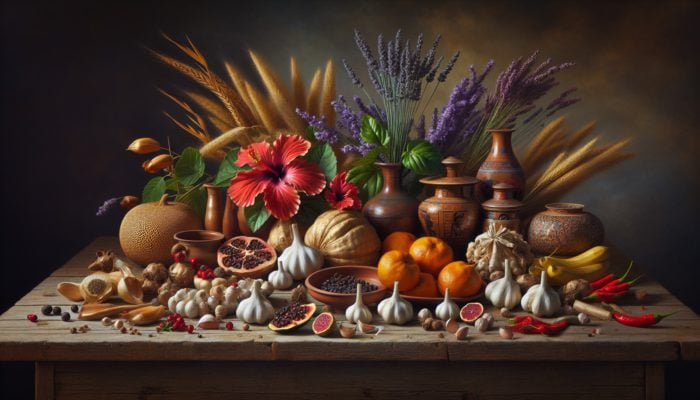
In the UK, an impressive variety of herbs is gaining recognition as effective aids in the management of high blood pressure. Noteworthy examples encompass garlic, hibiscus, lavender, hawthorn, and basil. Each of these herbs has its own unique origins and historical uses that have been celebrated for generations. For instance, while garlic is often highlighted for its culinary applications, it has been valued for its medicinal capabilities since antiquity. Likewise, hibiscus tea, with deep cultural roots in regions like Africa and Asia, is well-known for its delightful flavour and numerous health benefits. Acknowledging the historical significance of these herbs enhances our understanding of their vital roles in promoting natural health and overall wellness.
Recognising the traditional uses of these herbs is essential for appreciating their potential health advantages. Garlic is not merely a cooking staple; it significantly contributes to cardiovascular health. Hibiscus, often enjoyed as a tea, is distinguished by its vibrant colour and tart flavour, while lavender is esteemed for its soothing properties. These herbal remedies, deeply embedded in traditional practices, are increasingly being embraced in contemporary wellness trends, reflecting a rising interest in natural health solutions throughout the UK.
How Do Herbs Influence Blood Pressure Levels?
Herbs can affect blood pressure through multiple channels. A significant number of these herbs possess vasodilatory attributes, enabling them to expand blood vessels, which alleviates tension and contributes to a decrease in blood pressure. For example, garlic contains beneficial compounds such as allicin, which enhance nitric oxide levels, a potent agent that encourages vasodilation. Furthermore, certain herbs function as diuretics, facilitating the expulsion of excess fluids and sodium from the body, which additionally assists in lowering blood pressure. This dual-action mechanism synergistically promotes a healthier cardiovascular system.
The relationship between these herbal traits and their historical applications underscores their potential efficacy for individuals seeking natural methods for blood pressure control. By integrating these herbs into everyday dietary practices, individuals may discover they can naturally support their blood pressure levels. Nonetheless, it is vital to approach this strategy with care. Consulting healthcare professionals before incorporating herbs into your routine is crucial, especially for those currently on medications for hypertension.
Where Can You Source Quality Herbs in the UK?
Identifying reliable sources for high-quality herbs is essential to guarantee safety and effectiveness in their usage. A wide range of suppliers in the UK is dedicated to providing top-tier herbal products. These vendors often focus on organic and sustainably sourced herbs, ensuring that consumers have access to the finest quality. Recommended suppliers include:
- Herbal Haven
- The Organic Herb Company
- Neal's Yard Remedies
- Holland & Barrett
- Pukka Herbs
- Woodland Trust Shop
- Herbs of the Hills
- Wild Nutrition
These suppliers provide a wide selection of herbal products, including dried herbs, teas, supplements, and tinctures, enabling individuals to choose options that best suit their preferences and health requirements. Always verify that the herbs are certified organic and preferably sourced from local growers to maximise their health benefits.
Garlic: An Essential Component of UK Herbal Medicine

What Health Benefits Does Garlic Provide for Blood Pressure Management?
Garlic is often celebrated as one of the most potent herbs for regulating high blood pressure. Numerous studies have documented the benefits associated with garlic, cementing its position in herbal medicine. Primarily, garlic is acknowledged for its capability to lower blood pressure by enhancing endothelial function and promoting vasodilation. The active compound allicin, which is released upon crushing or chopping garlic, is particularly recognised for its robust antioxidant properties.
The key benefits of garlic include:
- Reduces both systolic and diastolic blood pressure levels
- Improves cholesterol levels by decreasing LDL cholesterol
- Supports overall cardiovascular health
- Exhibits anti-inflammatory properties
- Enhances immune function
- May lower the risk of heart disease
- Potentially improves circulation
- Acts as an antimicrobial agent
The multifaceted benefits of garlic make it a versatile addition to both culinary and medicinal practices. Including garlic in meals not only enhances taste but also contributes significantly to holistic health benefits, particularly for individuals managing hypertension.
How Much Garlic Should You Consume Daily to Maximise Benefits?
Determining the optimal daily intake of garlic for managing hypertension requires consideration of both raw and supplement forms. For raw garlic, research suggests that consuming one to two cloves daily can yield beneficial effects. When choosing supplements, especially aged garlic extract, a typical dosage of 600 to 1,200 mg per day is generally recommended. Consulting with a healthcare professional to customise the dosage to individual needs is essential, particularly for those taking other medications.
Incorporating raw garlic into meals is relatively straightforward; it can be added to salad dressings, sauces, or cooked dishes. For those who find the flavour too intense, aged garlic supplements provide a more palatable alternative while still delivering health benefits. By adjusting consumption methods, individuals can enjoy the advantages of garlic without overwhelming their palate.
Can Garlic Interact with Other Medications?

Yes, garlic can interact with certain medications that are commonly prescribed for managing hypertension. One of the most significant interactions occurs with anticoagulants, such as warfarin, as garlic can amplify the effects of these drugs, increasing the risk of bleeding. Additionally, garlic may affect drugs that modify liver enzyme activity, potentially altering drug metabolism.
It is vital for individuals to inform their healthcare providers about their garlic intake, whether in raw or supplement form. This openness helps manage potential interactions and ensures the safe use of garlic alongside prescribed treatments. Additionally, regularly monitoring blood pressure when incorporating garlic is advisable, as it aids in tracking any notable changes in blood pressure patterns.
What Historical Significance Does Garlic Hold in UK Herbal Remedies?
Garlic has historically occupied a significant position in British herbal medicine. Its usage dates back centuries, recognised as a remedy for various ailments beyond hypertension, including respiratory infections and digestive issues. The Anglo-Saxon herbal texts emphasise its application for treating colds and flu, showcasing its relevance in traditional healing practices.
In modern herbal remedies, garlic is frequently combined with other herbs to enhance its efficacy. For instance, pairing it with hawthorn or ginger can result in powerful formulations aimed at promoting cardiovascular health. These historical practices underscore garlic’s enduring significance in the UK’s herbal landscape, showcasing its versatility and extensive benefits within natural medicine.
Expert Recommendations on Effective Herbs for High Blood Pressure
What Insights Do Leading UK Herbalists Provide for Managing Hypertension?
Prominent UK herbalists advocate for a diverse array of herbs to assist in managing high blood pressure, drawing from both traditional knowledge and contemporary research. Garlic remains a key recommendation due to its comprehensive health benefits. However, hibiscus has emerged as a strong contender, with studies illustrating its ability to significantly reduce blood pressure levels. Renowned herbalist Matthew Wood frequently suggests hibiscus tea as both a preventative and therapeutic measure against hypertension.
Additionally, hawthorn is highly recommended, celebrated for its supportive role in heart health. Herbalist Jasmine Hearn identifies hawthorn as an essential herb for those aiming to enhance cardiovascular function, particularly for individuals who may be on medications for blood pressure management. By integrating these insights, individuals can make informed decisions regarding which herbs may best align with their health aspirations and lifestyles.
Real-life testimonials from herbalist practices underscore the effectiveness of these treatments. Patients who have included herbs like hibiscus and hawthorn in their daily routines often report improvements in their blood pressure readings after consistent use. These accounts elevate the credibility of herbal remedies, highlighting their potential as effective adjuncts to conventional medical therapies.
How Can You Seamlessly Integrate Herbs into Your Daily Routine?
Incorporating herbs into your daily life for blood pressure management can be both straightforward and enjoyable. Here are some practical suggestions for regularly including herbs:
- Add fresh herbs such as basil and garlic to salads and sauces for flavour enhancement and health benefits.
- Prepare hibiscus tea as a refreshing drink; simply steep dried flowers in hot water for a delightful beverage.
- Utilise lavender essential oil in aromatherapy to promote relaxation and alleviate stress.
- Incorporate hawthorn berries into smoothies or oatmeal for a nutritious uplift.
- Experiment with herbal tinctures in your morning routine; a few drops can be quite effective.
- Participate in a local herbalism workshop to learn how to create your own herbal blends.
- Consider starting an herb garden to have fresh herbs readily available for cooking and remedies.
- Explore recipes that spotlight these herbs, making them staples in your diet.
By taking gradual steps to include herbs in your meals and daily habits, you can effectively support your blood pressure management efforts. The key lies in consistency and creativity, allowing these herbs to become an integral part of a healthy lifestyle.
Are There Any Potential Side Effects Associated with Herb Usage?
While herbs offer numerous advantages, they can also lead to side effects. For instance, garlic might cause gastrointestinal discomfort if consumed excessively, resulting in symptoms like bloating or gas. Additionally, some individuals may have allergic reactions to specific herbs, such as lavender or hibiscus. It is crucial to introduce any new herbal regimen gradually, paying attention to your body's response to each herb.
Expert analysis suggests that potential interactions with other medications are a significant concern. For example, individuals on blood thinners should exercise caution with garlic. Keeping track of your health status and any changes can help mitigate risks while maximising benefits. Consulting with a healthcare professional before combining herbs, especially when taking existing medications, is essential to ensure safety and effectiveness.
Hibiscus: An Emerging Star in UK Herbal Solutions
How Does Hibiscus Contribute to Lowering Blood Pressure?
Hibiscus has recently attracted considerable attention for its impressive ability to lower blood pressure. Scientific studies indicate that hibiscus tea contains compounds known as anthocyanins, which possess potent antioxidant properties that may help relax blood vessels and enhance circulation. Several studies conducted in the UK have demonstrated that regular consumption of hibiscus tea can lead to substantial reductions in both systolic and diastolic blood pressure.
The mechanism through which hibiscus exerts these effects involves its capacity to boost nitric oxide production, akin to garlic. By promoting vasodilation, hibiscus alleviates pressure on the cardiovascular system, establishing it as an invaluable dietary addition for those managing hypertension. The herb’s dual role as a delightful beverage and a health tonic emphasises its unique position within herbal remedies.
What Are the Most Effective Ways to Consume Hibiscus?
Incorporating hibiscus into your diet can be both pleasurable and beneficial. The most popular method is brewing it as tea. To prepare hibiscus tea, simply steep dried hibiscus flowers in hot water for approximately 5-10 minutes, allowing the rich colour and flavour to develop. The resulting tea can be enjoyed hot or cold, making it a versatile option for any season.
Beyond tea, hibiscus can also be added to smoothies and cocktails, contributing vibrant colour and a tangy taste. Hibiscus powder presents another option that can be mixed into baked goods or sprinkled over salads for an additional nutritional boost. For those seeking concentrated forms, hibiscus supplements are available in capsule format. Regardless of the chosen method, regular consumption of hibiscus offers a refreshing way to support blood pressure management.
Where Can You Purchase Hibiscus Products in the UK?
High-quality hibiscus products are readily available throughout the UK, making it easy to integrate this beneficial herb into your diet. Many health food stores, herbal suppliers, and online retailers offer a variety of hibiscus options. Some recommended sources for purchasing hibiscus include:
- Holland & Barrett
- Pukka Herbs
- Herbal Haven
- Amazon UK
- Neal's Yard Remedies
- The Organic Herb Company
- Wild Nutrition
- Local health food shops
When buying hibiscus, opt for organic varieties to ensure quality and avoid harmful pesticides. Checking customer reviews and product certifications can also provide insight into the reliability of the supplier. By sourcing hibiscus from reputable vendors, you can confidently enjoy its health benefits.
Lavender: Promoting Calmness and Supporting Blood Pressure Management
Can Lavender Aid in Hypertension Management?
Lavender is widely acknowledged for its calming effects, making it an excellent herb for managing stress and, in turn, blood pressure. Evidence indicates that the scent of lavender can induce relaxation, potentially leading to lower blood pressure levels. The soothing properties of lavender can be particularly beneficial for those whose hypertension is worsened by stress and anxiety.
Lavender essential oil is frequently employed in aromatherapy to encourage relaxation, making it a popular choice for individuals seeking natural measures to combat high blood pressure. Integrating lavender into daily routines can help create a serene atmosphere, which may contribute to effective blood pressure management.
What Are the Most Effective Ways to Use Lavender for Relaxation?
Lavender can be easily incorporated into your daily life in various ways to promote relaxation and support blood pressure management:
- Use lavender essential oil in a diffuser during stressful moments to create a calming environment.
- Add dried lavender flowers to bathwater for a soothing soak after a long day.
- Prepare lavender tea by steeping dried flowers in hot water for a calming beverage.
- Incorporate lavender sachets into your pillow or bedding for a restful night’s sleep.
- Mix lavender oil with a carrier oil for a relaxing massage experience.
- Explore lavender-infused skincare products to enjoy its soothing skin benefits.
- Utilise lavender in culinary applications, such as desserts or herbal infusions.
- Attend a local workshop on aromatherapy to deepen your understanding of using lavender for relaxation.
These methods enable individuals to harness lavender’s calming effects while promoting overall wellness. Regularly integrating lavender into your lifestyle can cultivate a more tranquil environment that may effectively assist in managing high blood pressure.
What Precautions Should Be Taken When Using Lavender?
While lavender is generally considered safe, certain precautions should be observed, particularly when used for medicinal purposes. Individuals who are pregnant or breastfeeding should consult a healthcare provider before using lavender, as its effects in these cases are not fully understood. Additionally, lavender may provoke allergic reactions in some individuals, especially those with sensitivities to other plants in the mint family.
It is also important to note that lavender can interact with specific medications, particularly sedatives, due to its calming effects. Consulting with a healthcare professional before incorporating lavender into your regimen is essential, particularly for those taking medications for anxiety or sleep disorders. By being aware of these precautions, you can safely enjoy the benefits of lavender while effectively managing your blood pressure.
What Does Recent Research Indicate About Lavender and Blood Pressure?
Recent studies have explored the efficacy of lavender in managing blood pressure, yielding promising outcomes. Research conducted in the UK has highlighted lavender's potential to lower blood pressure through its anxiolytic properties. In clinical trials, participants who regularly inhaled lavender essential oil reported reductions in stress levels and significant improvements in their blood pressure readings.
Further studies suggest that lavender tea may also positively impact cardiovascular health, as the act of consuming warm tea itself can promote relaxation. This dual action reinforces lavender’s role as a beneficial herb for managing hypertension. While more extensive studies are warranted to clarify its effects, current findings advocate for its inclusion in a holistic approach to blood pressure management.
Hawthorn: A Time-Honoured UK Remedy for Heart Health
What Are the Health Benefits of Hawthorn for Cardiovascular Wellness?
Hawthorn has long been recognised as a powerful herb for supporting heart health and managing blood pressure. Its rich composition includes flavonoids and oligomeric proanthocyanidins, which contribute to its cardiovascular advantages. Hawthorn is known for improving blood circulation and strengthening the heart muscle, making it a valuable ally for those grappling with hypertension.
The key benefits of hawthorn include:
- Supports healthy blood circulation and optimal heart function.
- May assist in lowering blood pressure through blood vessel dilation.
- Relieves symptoms associated with heart-related conditions such as angina.
- Enhances overall cardiovascular health.
- Acts as an antioxidant, safeguarding heart tissues.
- May improve exercise tolerance for individuals with heart disease.
- Helps regulate cholesterol levels.
- May reduce anxiety related to heart conditions.
The historical use of hawthorn in traditional medicine, particularly in the UK, underscores its effectiveness. Numerous herbalists endorse its use as a foundational herb for those seeking to manage their blood pressure and naturally support heart health.
How Long Does It Usually Take for Hawthorn to Show Effects?
The timeframe for hawthorn to exhibit effects on blood pressure can vary based on individual responses and the formulation used. Typically, it may take anywhere from two to four weeks of consistent usage for individuals to notice improvements in blood pressure readings. Factors such as dosage, frequency of use, and overall health can influence hawthorn's effectiveness.
For those new to hawthorn, beginning with a lower dosage and gradually increasing it based on personal tolerance can be beneficial. Consulting with a healthcare professional can also provide guidance on the appropriate dosage and expected timeline for observing results.
Can Hawthorn Be Safely Combined with Other Medications?
Hawthorn is frequently considered compatible with various medications prescribed for hypertension; however, caution is always recommended. It is essential for individuals to consult their healthcare provider before incorporating hawthorn alongside prescription medications. Hawthorn may enhance the effects of certain heart medications, potentially leading to hypotension if not monitored closely.
Regularly checking blood pressure is advisable when starting hawthorn, particularly for those already on medication. This proactive approach ensures individuals can effectively manage their health, avoiding adverse interactions while benefiting from this traditional remedy.
What Are Traditional Preparations of Hawthorn in the UK?
In the UK, hawthorn is traditionally prepared in various forms to harness its health benefits. Common preparations include teas, tinctures, and extracts. To make hawthorn tea, dried leaves or berries are steeped in hot water, providing a gentle yet effective way to consume the herb.
Tinctures, which are concentrated extracts made by infusing hawthorn in alcohol or vinegar, represent another popular method for those seeking a potent dose. These tinctures can be taken directly or mixed with water or juice for easier consumption. Additionally, hawthorn is available in capsule form, offering a convenient supplement option for individuals looking to integrate it into their daily regimen.
The traditional uses of hawthorn highlight its long-standing significance in UK herbal medicine, providing numerous methods to prepare and enjoy its heart health benefits.
Research-Backed Advantages of Key Herbs for High Blood Pressure
What Insights Do Recent UK Studies Offer About Herbal Remedies?
Recent research conducted in the UK has significantly advanced our understanding of the effectiveness of herbs for managing high blood pressure. Various studies have underscored the specific benefits of herbs such as garlic, hibiscus, and hawthorn. For instance, clinical trials involving hibiscus tea have consistently demonstrated reductions in both systolic and diastolic blood pressure among participants, reinforcing its importance in hypertension management.
Additionally, studies on garlic have revealed its efficacy in enhancing vascular health and lowering blood pressure levels. Research indicates that regular consumption can lead to measurable improvements in cardiovascular function. These findings are crucial as they establish a solid foundation for integrating these herbs into everyday health practices.
Expert analysis of this research emphasises the significance of a holistic approach to managing hypertension, combining dietary modifications, lifestyle changes, and herbal remedies tailored to individual needs. The evidence supports a growing trend towards natural solutions alongside conventional medical treatments.
How Can You Select the Right Herb for Your Specific Needs?
Choosing the appropriate herb for managing high blood pressure necessitates careful consideration of individual health needs and preferences. Start by assessing your specific health conditions, dietary preferences, and any potential allergies. Consulting with a qualified herbalist or healthcare provider can yield personalised recommendations based on your health profile.
When selecting herbs, prioritise those with a proven history of managing blood pressure, such as garlic, hibiscus, and hawthorn. It is also essential to think about the forms of these herbs you prefer, whether as teas, tinctures, or supplements. Incorporating a variety of herbs can enhance overall benefits; thus, exploring combinations can prove advantageous. Keeping a journal to monitor your responses to different herbs can provide valuable insights into their effectiveness over time.
Are There Long-Term Studies on the Use of Herbs for Blood Pressure Management?
Long-term studies on the use of herbs for managing blood pressure have been conducted in the UK, although research continues to evolve. One significant study followed participants who utilised garlic and hawthorn supplements over an extended period, demonstrating sustained improvements in blood pressure and overall cardiovascular health. Participants reported not only lower blood pressure readings but also enhanced well-being and vitality.
These long-term studies continue to illuminate the potential of herbs as viable options for sustained hypertension management. By monitoring individual reactions to these herbal interventions, it becomes evident that herbs can play a significant role in maintaining long-term cardiovascular health, potentially reducing reliance on conventional medications for some individuals.
Basil: A Common Herb with Health Benefits in the UK
Can Basil Help Lower Blood Pressure?
Basil, a popular culinary herb found in many UK kitchens, has shown promise in its ability to lower blood pressure. Research indicates that basil contains compounds like eugenol, which can help relax blood vessels and enhance circulation. The herb’s aromatic qualities not only elevate the flavour of dishes but may also positively influence cardiovascular health.
Incorporating basil into meals is an easy way to benefit from its health properties. When used fresh, such as in salads or sauces, it retains its nutritional value, making it a versatile choice for everyday cooking. The potential of basil as a blood pressure-lowering herb underscores the importance of integrating common ingredients into health-conscious diets.
What Innovative Ways Can You Include Basil in Your Diet?
Integrating basil into your daily meals can be both enjoyable and straightforward. Here are some creative methods to incorporate this herb into your diet:
- Add fresh basil to salads for an aromatic twist and enhanced nutrients.
- Use basil pesto as a spread or pasta sauce for a flavourful dish.
- Incorporate basil into soups and stews for added depth of flavour.
- Blend basil into smoothies for a refreshing herbal infusion.
- Include basil in homemade sauces or marinades for meat dishes.
- Utilise basil-infused oil for drizzling over salads or vegetables.
- Experiment with basil in desserts, such as fruit salads or sorbets.
- Grow basil in your kitchen garden for easy access and utilisation.
These methods not only enhance the taste of meals but also contribute to a heart-healthy diet. Regularly incorporating basil can help individuals seamlessly integrate its potential health benefits into their lifestyle.
Are There Any Side Effects Associated with Basil Usage?
While basil is generally safe for consumption, there are a few side effects to be mindful of. Some individuals may experience allergic reactions or gastrointestinal discomfort when consuming basil in excessive amounts. Additionally, basil contains oxalates, which may be a concern for individuals with a history of kidney stones. Therefore, moderation is essential, and it is advisable to consult with a healthcare professional if you have any underlying health conditions.
For most individuals, incorporating basil into their diet as part of a balanced approach to health is unlikely to cause issues. By being aware of quantities and attuning to your body’s responses, you can enjoy the benefits of this versatile herb while effectively managing your blood pressure.
Utilising Herbs for a Healthier Lifestyle in the UK
What Best Practices Should Be Followed for Effective Herbal Usage?
To effectively harness herbs for managing high blood pressure, several best practices should be followed. First and foremost, always consult with a healthcare professional before embarking on any new herbal regimen, especially if you are taking medications. Gradually introduce herbs into your diet to monitor how your body responds, paying close attention to any notable changes in your health.
Choosing high-quality herbs from reputable suppliers is crucial to ensure you receive maximum benefits. Additionally, maintaining a balanced diet that includes a variety of herbs alongside other health-promoting foods is essential. Regularly monitoring your blood pressure can help evaluate the effectiveness of your herbal regimen, allowing for necessary adjustments over time.
How Can You Efficiently Monitor Your Blood Pressure at Home?
Monitoring your blood pressure at home is an invaluable practice for individuals managing hypertension. Start by investing in a reliable digital blood pressure monitor, which is user-friendly and provides accurate readings. To achieve optimal results, adhere to these guidelines:
1. Ensure you are relaxed and seated comfortably before taking your measurement.
2. Use the monitor as directed, positioning the cuff on your upper arm or wrist as appropriate.
3. Take measurements at the same time each day for consistency.
4. Record your results in a journal to track trends and discuss with your healthcare provider.
By establishing home monitoring as a routine, you can gain insights into how effectively your dietary and lifestyle changes, including herbal remedies, are influencing your blood pressure management.
Where Can You Access Additional Resources in the UK?
A wealth of resources is available in the UK for individuals interested in exploring herbs for managing hypertension. Local herbalists and naturopaths offer consultations and personalised recommendations based on individual health needs. Moreover, many health food stores provide educational materials and workshops focused on herbal medicine.
Online platforms and communities, such as herbal medicine forums or social media groups, can also serve as valuable resources. These platforms facilitate the sharing of experiences, recipes, and insights into effective herbal practices. Government health websites often provide guidelines on managing blood pressure, including dietary suggestions that incorporate herbs.
How Can You Creatively Incorporate Herbs into Your Daily Meals?
Integrating herbs into your daily meals can be both simple and rewarding. Start by adding fresh or dried herbs to your cooking, using them in sauces, marinades, and dressings. Experiment with different combinations of herbs to discover flavours you enjoy while maximising their health benefits.
Additionally, consider creating herbal infusions or teas to enjoy throughout the day. This approach hydrates while incorporating the medicinal properties of the herbs. Participating in cooking classes or workshops that focus on herbal cuisine can provide new ideas for creatively integrating herbs into your meals.
What Legal Considerations Should Be Aware of Regarding Herbal Use in the UK?
In the UK, the use of herbs for health purposes is governed by specific regulations designed to ensure safety and efficacy. Herbal products sold for medicinal purposes must comply with the Medicines and Healthcare products Regulatory Agency (MHRA) guidelines. This includes accurate labelling and ensuring the herbs are safe for consumption.
Individuals should be aware that while herbs are generally safe, some may have contraindications or possible interactions with medications. Consulting with a healthcare provider is vital to navigate these considerations effectively. By staying informed about the legal framework surrounding herbal use, individuals can make safe and informed choices regarding the incorporation of herbs into their health regimen.
Frequently Asked Questions About Herbal Remedies for Hypertension
What Are the Most Effective Herbs for Managing High Blood Pressure?
The most effective herbs for managing high blood pressure include garlic, hibiscus, lavender, hawthorn, and basil, each offering unique health benefits and properties.
How Does Garlic Help Lower Blood Pressure?
Garlic lowers blood pressure by enhancing nitric oxide production, promoting vasodilation, and improving endothelial function, which aids in relaxing blood vessels.
Is Consuming Raw Garlic Beneficial?
Yes, consuming raw garlic can provide health benefits, but it is advisable to limit intake to one or two cloves daily to prevent gastrointestinal discomfort.
Does Hibiscus Tea Effectively Reduce Blood Pressure?
Yes, hibiscus tea effectively lowers blood pressure, with studies demonstrating significant reductions in both systolic and diastolic readings with regular consumption.
How Can Lavender Be Incorporated into Daily Life?
Lavender can be incorporated through essential oils in aromatherapy, herbal teas, baths, or even culinary dishes for its relaxing properties.
What Benefits Does Hawthorn Provide for Heart Health?
Hawthorn supports heart health by improving circulation, lowering blood pressure, and providing antioxidant protection, making it invaluable for cardiovascular wellness.
Are There Any Side Effects Linked to Using Herbs for Hypertension?
While generally safe, some herbs may cause gastrointestinal issues or allergic reactions. It is essential to consult a healthcare provider before starting any new herbal regimen.
How Long Does It Take for Herbs to Affect Blood Pressure?
Herbs like hawthorn and hibiscus may take two to four weeks of consistent use before showing noticeable effects on blood pressure levels.
Can Herbs Be Used Alongside Hypertension Medication?
Yes, many herbs can be safely used alongside hypertension medication, but consulting with a healthcare provider is crucial to avoid potential interactions and ensure safety.
Where Can I Find High-Quality Herbs in the UK?
High-quality herbs can be found at reputable suppliers like Holland & Barrett, Neal's Yard Remedies, and various local health food stores or online retailers.
Connect with us on Facebook!
The Article: Best Herbs for High Blood Pressure: UK Guide appeared first on https://mcrtherapies.co.uk
The Article Herbs for High Blood Pressure: A UK Guide Was Found On https://limitsofstrategy.com