Uncover the Vibrant Garifuna Culture in Belize: Heritage, Cuisine, and Cultural Experiences
The Garifuna people of Belize embody a lively blend of African, Indigenous Caribbean, and European cultural elements, resulting in a distinctive cultural heritage celebrated worldwide and recognised by UNESCO. Their diverse traditions encompass a wide array of aspects, including language, music, culinary arts, dance, spirituality, and a robust sense of community. This comprehensive guide explores the fascinating story of the Garifuna in Belize, highlighting their history, traditions, festivals, cuisine, and the vibrant cultural hub of Hopkins Village.
Delving Deep into the Garifuna Heritage of Belize
The Garifuna people represent one of the most notable cultural groups in Belize, with their ancestry linking back to West and Central African forebears, as well as the Indigenous Caribs and Arawaks. After their courageous resistance to colonial rule in St. Vincent in 1797, they were forcibly relocated to Central America. Presently, the Garifuna population in Belize is approximately 30,000, significantly enriching the cultural landscape of southern Belize with their unique language, exquisite cuisine, vibrant art, and rich customs. Recognised by UNESCO as a Masterpiece of the Oral and Intangible Heritage of Humanity, their enduring spirit, creativity, and adaptability continue to thrive in communities such as Dangriga, Hopkins, Seine Bight, and Punta Gorda, as well as within diaspora communities across the Americas. Each year, the celebration of Garifuna Settlement Day on November 19th showcases their story of resilience, unity, and cultural richness.
Unearthing the Historical Roots of the Garifuna People
How African and Carib Ancestry Shape Garifuna Identity
The story of the Garifuna people commences in the 17th century, marked by the extraordinary convergence of African survivors from two Spanish slave ships and the Indigenous Carib and Arawak inhabitants of St. Vincent in the Lesser Antilles. Over more than 150 years, intermarriage and cultural exchange fostered a unique Afro-Indigenous identity known as the Garinagu. This identity embodies a rich tapestry of traditions, languages, and practices reflecting their diverse ancestral backgrounds and contributing to their current cultural vibrancy.
What Led to Their Forced Exile and New Beginnings in Belize?
In 1797, following fierce resistance against British colonial forces, around 5,000 Garifuna were forcibly exiled from St. Vincent to Roatán, Honduras. This marked the onset of migrations that spread along the Central American coastline. By the early 19th century, thriving Garifuna communities emerged in southern Belize, particularly in culturally rich locales such as Dangriga, renowned as the cultural capital, along with Hopkins, Seine Bight, and Barranco. British authorities facilitated these migrations, seeking skilled labourers adept in fishing and agriculture, which greatly contributed to the development of these communities.
How Do Resilience and Cultural Continuity Manifest Among the Garifuna?
Despite the myriad challenges posed by European colonisation, land dispossession, and systemic discrimination, the Garifuna have remarkably preserved their language, social institutions, and rich religious traditions. The establishment of the National Garifuna Council in 1981 has been pivotal in advocating for cultural rights and education, ensuring that the Garifuna heritage remains celebrated and acknowledged in contemporary society.
The Importance of Language and Identity in Garifuna Culture
What Makes the Garifuna Language Unique?
The Garifuna language is an Arawakan language distinguished by its incorporation of Carib and African loanwords, making it a remarkable example among Central American languages. It features gendered pronouns, a sophisticated tense system, and a multitude of oral traditions that reflect the community's history and cultural values. However, the survival of the Garifuna language is currently threatened by language shift due to migration and urbanisation, with fewer than 15,000 Belizean Garifuna individuals remaining fully fluent.
How Are Revitalisation and Preservation Initiatives Making a Difference?
The recognition of the Garifuna language and music as Intangible Heritage by UNESCO in 2001 has spurred revitalisation efforts. In communities like Hopkins and Dangriga, primary schools now offer educational programmes in Garifuna, while community radio stations broadcast music and news in the language, helping to keep it vibrant. Organisations such as GAMAE International have initiated language immersion summer camps aimed at reconnecting youth with their ancestral roots and linguistic heritage, reinforcing their cultural identity.
How Do Identity Manifestations and Global Diaspora Interconnect?
The Garifuna identity is strengthened through traditional attire, ancestral lineage, clan totems, and distinctive naming practices. This cultural identity is actively nurtured by cultural associations both within Belize and in diaspora communities situated in major cities like New York, Los Angeles, and London, where they persist in celebrating their rich heritage.
The Dynamic Realm of Garifuna Music and Dance
What Role Does Rhythmic Drumming Play in Cultural Significance?
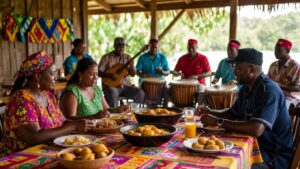
Garifuna music is characterised by its intricate rhythmic patterns, which blend traditional African polyrhythms with indigenous chants. Central to numerous spiritual rituals and celebratory events, the drums—specifically the primero (tenor) and segunda (bass)—hold a crucial significance. The sacred dugú ceremony, for example, incorporates drum circles and ancestral invocations aimed at healing or blessing families, illustrating the profound connection between music and spirituality within Garifuna culture.
What Are the Energetic Dance Styles of Punta and Punta Rock?
Among the most celebrated Garifuna dance forms is the punta, which is defined by rapid hip movements and intricate footwork, often accompanied by call-and-response singing and vibrant percussion. The contemporary evolution of this dance style, referred to as punta rock, has gained popularity through renowned musicians such as Andy Palacio and Pen Cayetano, who merge traditional rhythms with modern instrumentation, helping to disseminate Garifuna culture to global audiences.
How Do Cultural Festivals and Community Celebrations Enrich the Garifuna Experience?
In the lively towns of Hopkins and Dangriga, dance troupes frequently perform during cultural festivals and for visiting tourists, creating a vibrant connection between generations. These performances not only honour Garifuna heritage but also serve as essential economic resources for the community, promoting tourism and cultural exchange, thereby solidifying the cultural identity of the Garifuna.
Investigating Garifuna Cultural Practices and Spiritual Beliefs
What Is the Significance of the Dugú Ceremony?
The dugú ceremony is a multi-day event where extended families unite to pay tribute to the spirits of their ancestors, known as gubida. Under the guidance of a spiritual healer, or buyei, the ceremony encompasses music, dance, and communal feasting, all aimed at restoring harmony within families and the broader community. It emphasises a profound respect for the land, ancestral heritage, and collective responsibilities, reinforcing cultural bonds among participants.
How Do Everyday Life and Spiritual Beliefs Intertwine for the Garifuna?
The spiritual beliefs of the Garifuna represent a unique fusion of Catholicism with African and Arawak cosmologies. Daily life is punctuated by various rituals, including blessings for new buildings, rites of passage for births and deaths, and agricultural celebrations. Significant symbols, such as the conch shell, sea turtle, and cassava, create connections between households and the natural world, as well as with ancestral spirits, reinforcing the importance of spirituality in their daily existence.
Discovering Garifuna Cuisine and Gastronomy
What Are the Culinary Staples and Signature Dishes of the Garifuna?
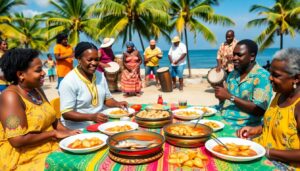
The culinary landscape of Garifuna culture is deeply rooted in staples such as cassava (or yuca), plantains, coconut, and fresh seafood. Among traditional offerings, ereba stands out as a cassava bread made from grated cassava that is pressed and toasted over an open fire. Another signature dish, hudut, features fish cooked in creamy coconut milk and is served alongside mashed green and ripe plantains. Machuca, a hearty fish soup with garlicky, mashed plantain dumplings, and tapou, a savoury coconut milk seafood stew, also hold popularity. In bustling street markets in Hopkins and Dangriga, visitors can savour local delights such as cassava pone (a sweet cake), fried plantain balls (known as ganún), and refreshing conch ceviche.
How Are Sustainable Food Practices Embraced in Garifuna Culture?
Traditional Garifuna practices such as seasonal fishing, shellfish gathering, and small-scale gardening promote ecological stewardship. These practices are guided by cultural taboos and principles of communal resource management. Culinary festivals held in Hopkins feature cooking contests and food tours facilitated by women’s cooperatives, ensuring the preservation of recipes and culinary techniques while engaging visitors in the rich gastronomic heritage of the Garifuna.
Hopkins Village: The Cultural Hub of Garifuna Heritage
What Is the Historical Background and Cultural Importance of Hopkins?
Founded in the early 1800s and known as Yarumein in Garifuna, Hopkins is located along the beautiful Stann Creek coast. It serves as a crucial centre for the Garifuna language, music, and crafts, embodying the rich cultural legacy of the community and acting as a focal point for cultural expression.
What Must-See Experiences Await in Hopkins?
- Drum Circles: Participate in daily drum schools and enjoy nightly drum circles at local cultural centres.
- Garifuna Museum: Explore artifacts, oral histories, and photographic archives that delve into migration, language, and music.
- Homestays and Workshops: Engage with local families who offer cooking lessons, fishing trips, and demonstrations of cassava bread making.
Annual cultural events in Hopkins, particularly the youth pageants during Garifuna Settlement Day, position the village as an authentic gateway to experiencing the rich cultural tapestry of Garifuna Belize.
How Do Cultural Tourism Contributions Affect the Local Economy?
Cultural tourism plays a pivotal role in Hopkins, supporting over 75% of local households through guest accommodations, handicrafts, music classes, and guided tours. The headquarters of the National Garifuna Council coordinates regional festivals and advocacy initiatives, ensuring that Garifuna culture remains dynamic and visible to the world, fostering economic sustainability.
Commemorating Garifuna Settlement Day: A Significant Cultural Event
What Is the Historical Significance of Settlement Day?
Celebrated every November 19 since 1941 and nationally recognised since 1977, Garifuna Settlement Day commemorates the momentous arrival of Garifuna ancestors in Belize by canoe in 1802. The reenactment procession known as Yurumein brings villagers ashore carrying drums, cassava, and crops amidst joyous singing and prayer, symbolising their enduring legacy and connection to their roots.
How Are Modern-Day Celebrations and Festivities Conducted?
The festivities of Garifuna Settlement Day beautifully intertwine sacred and secular elements, featuring nightlong dugú ceremonies and all-day drumming in churches and community squares. Processions adorned in traditional regalia, lively parades, dance performances, and food fairs mark the day. National broadcasts, media features, and diaspora celebrations in major US cities attract visitors from all over Belize and beyond, enhancing awareness and appreciation for Garifuna cultural traditions.
What Contemporary Challenges Does the Garifuna Community Face?
How Is Language Shift Affecting the Youth?
Language shift poses a critical threat to the Garifuna community, as many young individuals, particularly in urban settings, increasingly communicate in English or Kriol at home. UNESCO has acknowledged this concerning trend, prompting schools and NGOs to implement language immersion programmes, radio broadcasts, and mentorship initiatives aimed at preserving linguistic heritage and cultural identity among the younger generation.
What Are the Implications of Land Rights and Tourism Development?
The rapid expansion of tourism and real estate development in coastal regions such as Seine Bight and Hopkins jeopardises the traditional landholdings of the Garifuna. Advocacy from the National Garifuna Council and collaborative NGOs focuses on securing land rights, influencing urban planning, and ensuring that tourism revenues benefit local families and communities, thereby safeguarding their cultural heritage.
How Are Youth Engaged Through Arts, Technology, and Diaspora Connections?
Garifuna artists and musicians, both locally and in the diaspora, actively record music, document recipes, and preserve oral histories to create digital archives and virtual festivals. These modern platforms are crucial in fostering connections between the broader Garifuna community and younger generations, ensuring that their rich cultural heritage is maintained, celebrated, and passed on.
Essential Guidelines for Experiencing Garifuna Culture Responsibly
- Choose accommodations in Hopkins, Dangriga, or Seine Bight, and book tours directly with Garifuna-owned businesses to support the local economy.
- Participate in a drum workshop, attend a Settlement Day celebration, or volunteer in local cultural preservation initiatives to immerse yourself in the culture.
- Support women’s cooperatives by sampling traditional dishes or purchasing handcrafted items to promote sustainable livelihoods.
- Always respect local customs; seek permission before taking photographs of individuals, and be mindful during rituals and ceremonies.
- Learn a few basic words in the Garifuna language to demonstrate your respect and genuine curiosity for the culture.
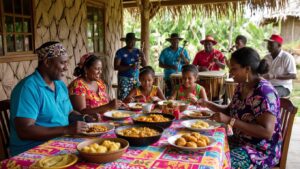
The Garifuna culture in Belize embodies a vibrant tapestry of resilience, deep spirituality, infectious music, delectable culinary offerings, and strong community bonds. By visiting places like Hopkins or Dangriga, participating in local festivals, or immersing oneself in the rhythmic heartbeat of the drums, travellers are granted a unique opportunity to engage with a rich historical continuum where the past and present resonate together. Supporting businesses owned by the Garifuna, honouring their traditions, and celebrating the linguistic and culinary diversity of this remarkable culture are essential steps to ensure its survival and flourishing for future generations.
References and Further Reading on Garifuna Culture
- Language, Dance and Music of the Garifuna – UNESCO Intangible Heritage
- History Of The Garifuna People – Belize.com
- Garifuna people – Wikipedia
- Varner, G.R. “Native Status and Maya Identity in Belize.” Journal of Latin American Anthropology, 1998
- Lee, N.R. “Toledo Garifuna and Indigenous Rights.” Mesoamerican Research, 2022
- National Garifuna Council – Wikipedia
- The Garifuna Living Heritage – ICH NGO Forum, 2023
- Dinther, R. “Language Shift and Prestige: Garifuna in Hopkins.” Journal of Pidgin and Creole Languages, 2017
- Habinaha Garifuna Language Program
- Veal, T. “Africanisms in Garifuna Culture of Belize.” Cultural Anthropology, 2004
- National Geographic: Preserving Garifuna Identity Through Ritual
- Music In Africa: Punta Rock and Garifuna Music
- Hopkins Cultural Center Official Site
- Cultural Survival Quarterly: Maya Rainforest and Garifuna in Belize
- Belize Living Heritage: Rituals and Social Practices
- Texas A&M: Belizean Food Culture
- Love Your Belize: Hudut Recipe
- Global M&A Pages: Sustainable Fishing Cooperatives
- National Garifuna Council of Belize
- UN Sustainable Development Reports on Garifuna Cultural Tourism
- Ambergris Caye: Garifuna Settlement Day Celebrations
- Garifuna.com: Diaspora, Digital Storytelling, and Modern Initiatives
The Article Garifuna Culture in Belize: Heritage, Food & Where to Experience It appeared first on Belize Travel Guide
The Article Garifuna Culture: Experience Heritage and Cuisine in Belize Was Found On https://limitsofstrategy.com