Explore the Science of Creatine: Understanding Its Functionality and Exceptional Advantages
Diving into the Complex Chemical Structure of Creatine
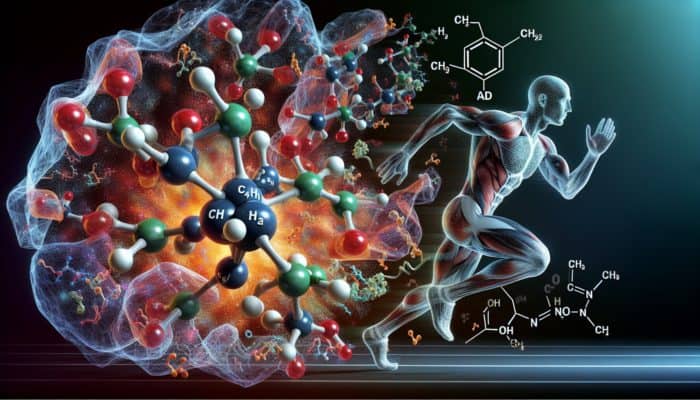
Creatine in Everyday Fitness: Creatine serves as a naturally occurring compound that plays a crucial role in energy production within muscle cells. Synthesised primarily from amino acids, its chemical structure, represented by the formula C4H9N3O2, highlights its impressive capacity to store and release energy efficiently. An estimated 95% of creatine is held in the skeletal muscles as phosphocreatine, with the remaining 5% circulating in the bloodstream. During periods of increased energy demand, especially during high-intensity exercise, creatine rapidly transfers its phosphate group to adenosine diphosphate (ADP), facilitating the regeneration of adenosine triphosphate (ATP), the body's primary energy currency. This incredible ability to enhance ATP production positions creatine as an essential supplement for improving athletic performance and endurance.
For fitness enthusiasts aiming to optimise their workouts, a thorough understanding of creatine's chemical structure is imperative. Beyond its role in energy availability, creatine significantly promotes cellular hydration. By encouraging increased water retention within muscle cells, it fosters an ideal environment for muscle growth and strength development. The intricate dynamics of creatine's functionality highlight its vital importance in everyday fitness, establishing it as a preferred supplement among athletes worldwide.
Understanding the Essential Role of Creatine in Energy Generation
The importance of creatine in energy generation is profound and should never be underestimated. During short bursts of intense physical activities, such as sprinting or weightlifting, muscles require immediate energy sources, and this is where creatine becomes indispensable. By facilitating the swift regeneration of ATP, creatine enables athletes to sustain high performance levels, helping them to overcome fatigue and significantly increase their training intensity.
Scientific research consistently shows that creatine supplementation leads to substantial improvements in both muscular strength and power output. For instance, studies involving resistance training demonstrate that individuals who supplement with creatine can perform more repetitions and lift heavier weights compared to those who do not. This results in greater muscle hypertrophy over time, particularly for individuals participating in structured weight training programmes. Furthermore, the advantages of creatine manifest across a wide range of athletic pursuits, from sprinting to high-intensity interval training (HIIT), underscoring its versatility and effectiveness.
Incorporating creatine into daily fitness routines can greatly distinguish between average workouts and exceptional results. Whether traversing a challenging trail in the Swiss Alps or sprinting through the vibrant streets of Tokyo, creatine provides the additional boost required to tackle these challenges with enhanced energy and determination.
Exploring Various Types of Creatine Supplements on the Market
A diverse range of creatine supplements exists, each offering unique benefits tailored to various fitness objectives. The most widely used form is creatine monohydrate, renowned for its effectiveness and cost-effectiveness. Extensive research validates its ability to enhance muscular strength and endurance when utilised consistently.
Other variations include creatine ethyl ester, which claims to improve absorption rates, and buffered creatine, designed to reduce gastrointestinal discomfort. Additionally, creatine citrate may appeal to those seeking a more soluble option. Each variant offers distinct attributes catering to personal preferences and physiological tolerances.
When assessing creatine for everyday fitness, understanding these different options empowers users to select the most suitable supplement for their specific needs. For athletes training in diverse environments—from the humid jungles of Brazil to the arid deserts of the Middle East—choosing the appropriate creatine product can significantly optimise performance and training results.
Discovering the Extensive Benefits of Creatine Supplementation

Supplementing with creatine provides numerous advantages that extend beyond simple enhancements in physical performance. One of the most compelling benefits is its potential to stimulate muscle growth. By increasing the availability of phosphocreatine, athletes can undertake more strenuous training sessions, leading to significant muscle hypertrophy.
In addition, research has linked creatine supplementation to improvements in cognitive function, particularly under stressful situations. Studies suggest that creatine can enhance mental clarity and alleviate fatigue during high-pressure scenarios, making it an appealing option for athletes competing at various levels.
Incorporating creatine into a balanced fitness regimen can also enhance recovery after workouts. As muscles repair and adapt, creatine plays a vital role in replenishing muscle glycogen, which is essential for maintaining performance during subsequent training sessions. Athletes engaged in demanding workouts—whether in bustling gyms or peaceful outdoor settings—can benefit from quicker recovery.
The versatility of creatine in elevating overall athletic performance positions it as an invaluable companion for fitness enthusiasts around the world. Whether preparing for a marathon, gearing up for a competition, or simply striving to achieve personal fitness goals, creatine serves as a powerful tool when utilised effectively.
Leveraging Creatine for Peak Performance in Fitness
Maximising Muscle Growth and Strength via Creatine
The relationship between creatine supplementation and muscle growth is extensively documented in fitness literature. When individuals begin incorporating creatine into their routines, they often notice an increase in muscle mass due to improved water retention within muscle cells, resulting in a “fuller” appearance. This physiological process stimulates protein synthesis, which is critical for muscle repair and growth.
Moreover, creatine empowers athletes to execute more repetitions at elevated intensities. For instance, during a strength training session, an individual using creatine may complete an extra set or lift heavier weights. This principle of progressive overload is fundamental for muscle adaptation and growth.
In practical terms, whether navigating a demanding trail in the Andes or participating in a CrossFit competition at a local gym, the strength gains and muscle growth associated with creatine can provide the competitive edge needed to excel. The global fitness community—from competitive bodybuilders in the United States to recreational athletes in Australia—emphasises the wide applicability of these benefits.
Enhancing Athletic Performance with Creatine

The impact of creatine on enhancing athletic performance transcends mere muscle development; it significantly influences workout intensity and endurance. Athletes incorporating creatine into their training routines frequently report improved performance during high-intensity, short-duration activities. This advantage is particularly beneficial in sports requiring rapid bursts of power, such as sprinting or weightlifting.
Research confirms that creatine supplementation can lead to substantial increases in peak power output and overall performance metrics. For athletes competing on an international stage—whether in track and field events across Europe or team sports in Asia—creatine can enhance their competitive advantage.
Additionally, the psychological aspect of performance should not be overlooked. The confidence derived from knowing they are using a supplement that boosts energy levels can lead to improved performance outcomes. This synergy of mental fortitude and the physiological benefits of creatine empowers athletes to achieve their peak performance levels.
Promoting Recovery and Reducing Injury Risks with Creatine
One of the significant yet often underestimated benefits of creatine supplementation is its contribution to recovery and injury prevention. Following intense workouts, muscle fibres undergo micro-traumas that require effective repair. Creatine aids in this recovery process by promoting faster recovery times, enabling athletes to resume training with minimal downtime.
Moreover, certain studies indicate that creatine may help lower injury risks by enhancing muscle strength and resilience. For instance, athletes engaged in high-impact sports, such as football or basketball, can benefit from improved muscle integrity, which is crucial for preventing strains and tears.
For fitness enthusiasts exploring the globe, whether relaxing on beaches in Bali or skiing in the Alps, the advantage of quicker recovery and reduced injury risks can significantly influence their training approach. This proactive strategy not only prolongs athletic careers but also enhances the overall enjoyment of fitness activities.
Integrating Creatine into Your Fitness Routine
Determining the Optimal Dosage and Timing for Creatine Intake
Establishing the ideal dosage and timing for creatine supplementation is essential for maximising its benefits. The standard loading phase typically involves consuming 20 grams of creatine daily for approximately five to seven days, divided into four smaller doses. This method saturates the muscles, ensuring optimal creatine levels for enhanced performance.
Following the loading phase, a maintenance dose of around 3 to 5 grams per day is recommended. Timing is also critical for efficacy; many athletes discover that consuming creatine immediately after a workout is beneficial, as it aids in replenishing energy stores and promoting recovery.
For individuals engaged in training routines that vary in intensity and duration—whether undertaking high-altitude training in the Rockies or endurance cycling along the stunning Mediterranean coast—understanding the timing and method of creatine consumption can yield significant advantages. This strategic approach enables athletes to harness the full potential of creatine throughout their everyday fitness journeys.
Enhancing Results by Combining Creatine with Other Performance Supplements
Creatine can be effectively combined with other supplements to further augment performance outcomes. For instance, pairing creatine with protein can accelerate muscle recovery and growth, making it a popular choice among strength athletes.
Additionally, incorporating branched-chain amino acids (BCAAs) offers extra muscle protection during workouts. This combination is particularly beneficial for endurance athletes, who frequently engage in extended training sessions that may lead to muscle breakdown.
For those participating in a variety of fitness activities—from serene yoga retreats in Bali to high-intensity training in urban gyms—grasping how to effectively stack creatine with other supplements can amplify overall performance and recovery. By tailoring supplementation strategies to match individual training demands and objectives, athletes can optimise every moment invested in their fitness journeys.
Strategically Planning Workouts to Optimise Creatine Benefits
To maximise the advantages of creatine, thoughtful workout planning tailored to individual goals is essential. For strength-focused athletes, integrating heavy lifting sessions with fewer repetitions can fully exploit creatine's capacity to enhance power output and improve muscle strength.
Conversely, endurance athletes may find value in incorporating high-intensity interval training (HIIT) into their routines. This approach aligns seamlessly with creatine’s energy-boosting properties, facilitating sustained performance over extended periods.
Athletes charting their journeys through breathtaking locations—whether climbing majestic mountains in the Himalayas or cycling through picturesque vineyards in France—can utilise these workout strategies to enhance their performance. By aligning their training with the unique benefits of creatine, they can improve their fitness outcomes and overall experiences in their chosen sports.
Understanding Potential Side Effects and Ensuring Safety with Creatine
Identifying Common Side Effects Associated with Creatine Use
While creatine supplementation is generally viewed as safe for the majority of individuals, some may experience mild side effects. Common issues include gastrointestinal discomfort, cramping, and dehydration. These side effects can often be alleviated by maintaining proper hydration and taking creatine with meals to enhance absorption.
It is crucial to emphasise that many athletes using creatine report minimal to no adverse effects. However, individuals should remain vigilant about their body’s reactions to supplementation, especially when starting a new regimen.
For fitness enthusiasts traversing diverse environments—from humid beaches in the Caribbean to arid deserts in Africa—prioritising hydration becomes essential. Understanding these potential side effects enables athletes to navigate their fitness journeys with assurance, ensuring that the benefits of creatine far outweigh any concerns.
Evaluating the Long-Term Safety Profile of Creatine
The long-term safety of creatine supplementation has been extensively studied, with research indicating that it is safe for healthy individuals when used as directed. Studies have shown no significant adverse effects on kidney function or other health parameters in long-term users.
For athletes, particularly those engaged in rigorous training, creatine has proven to be not only safe but also beneficial for sustained performance. This positive safety profile encourages many to incorporate creatine into their long-term training regimens without fear of adverse consequences.
As athletes travel the globe—whether competing in vibrant cities across Europe or training in serene landscapes—they can take comfort in knowing that creatine is a dependable ally. This reassurance fosters a deeper commitment to their fitness journeys, highlighting the importance of informed supplementation.
Recognising Groups That Should Approach Creatine with Caution
While creatine is generally considered safe for most individuals, specific populations should approach supplementation with caution. Individuals with pre-existing kidney conditions or those on medications affecting kidney function should avoid creatine, as it may exacerbate underlying health issues.
Furthermore, pregnant or breastfeeding women are often advised to refrain from using creatine supplements due to insufficient research on long-term effects. These individuals should consult a healthcare professional before beginning any supplementation regimen.
For those exploring fitness in various settings—whether in bustling urban gyms or tranquil rural areas—recognising who should avoid creatine ensures a responsible approach to health and wellness. Being well-informed empowers individuals to make choices that align with their unique health profiles while still pursuing their fitness aspirations.
Understanding Interactions Between Creatine and Medications
Creatine may interact with certain medications, particularly those that affect kidney function. For example, diuretics can increase the risk of dehydration when taken alongside creatine, potentially leading to complications.
Individuals prescribed medications for chronic conditions should consult their healthcare providers before commencing creatine supplementation. This precautionary measure helps to avoid potential interactions while ensuring a safe and effective approach to fitness.
For fitness enthusiasts navigating their wellness journeys—whether competing in local races or training in exotic environments—being aware of these interactions can enhance their health strategies. Taking the time to understand how supplements like creatine fit into a broader health context reinforces a commitment to responsible fitness practices.
Monitoring Progress and Adjusting Creatine Dosages
Tracking individual responses to creatine supplementation is essential for optimising its benefits. Athletes should remain attentive to how their bodies react, making necessary adjustments to dosages based on their performance and any side effects they experience.
Regular evaluations can assist in determining the optimal dosage for each person, ensuring they reap the benefits of creatine without encountering adverse effects. This ongoing assessment facilitates personalised adjustments to enhance fitness outcomes over time.
In diverse training environments—whether traversing rugged trails in Patagonia or participating in urban fitness classes—tailoring creatine use through careful monitoring fosters a deeper connection to one’s fitness journey. Adapting to personal needs and conditions signifies a commitment to maximising both performance and health.
Dispelling Myths and Misconceptions Surrounding Creatine
Clarifying the Connection Between Creatine and Water Retention
One of the most common myths surrounding creatine is its association with excessive water retention. While it is true that creatine increases water content in muscle cells, this does not equate to unwanted weight gain. Instead, it represents a natural physiological response that positively contributes to muscle fullness and growth.
Athletes can take comfort in knowing that this temporary increase in water weight often correlates with enhanced performance and muscle development. Understanding this distinction empowers fitness enthusiasts to make informed decisions regarding their supplementation strategies, particularly when preparing for competitions or events worldwide.
In varied training environments—from the humid tropics of Southeast Asia to the arid landscapes of the Middle East—athletes can fully benefit from creatine without concerns about its negative impacts on body composition.
Clearing Up Misconceptions About Creatine and Kidney Damage
Concerns regarding creatine’s potential to cause kidney damage have circulated widely but are largely unfounded. Extensive research has confirmed that creatine is safe for healthy individuals, showing no significant adverse effects on kidney function.
Numerous studies indicate that creatine does not harm the kidneys in individuals without pre-existing conditions. This reassurance is crucial for athletes who depend on creatine’s advantages for training and performance enhancement.
For fitness enthusiasts competing across diverse locations—from mountain trails to urban marathons—understanding the safety profile of creatine fosters confidence in their supplementation choices. This knowledge allows them to focus on performance and growth without unfounded fears of potential harm.
Differentiating Creatine from Anabolic Steroids
A common misunderstanding is that creatine is a steroid. In reality, creatine is a naturally occurring compound synthesised from amino acids in the body, whereas anabolic steroids are synthetic derivatives of testosterone designed to promote muscle growth.
Unlike steroids, which can have significant side effects and legal implications, creatine is widely recognised as a safe and effective supplement for enhancing performance. This distinction is vital for athletes aiming to improve their fitness without resorting to prohibited substances.
As athletes train in various settings—from competitive sports in Europe to recreational fitness in South America—understanding the differences between creatine and steroids enables informed supplementation decisions that prioritise health and integrity.
Addressing Concerns About Creatine and Hair Loss
Another prevalent myth suggests that creatine supplementation may contribute to hair loss. However, research has not substantiated this claim, indicating that any potential hair thinning is likely unrelated to creatine use.
Factors such as genetics and hormonal changes are the primary contributors to hair loss. Athletes can focus on the numerous benefits of creatine for muscle growth and performance without worrying about its impact on their hair health.
As fitness enthusiasts engage in training across various landscapes—from beach workouts in Australia to mountain trekking in Canada—understanding the myths surrounding creatine helps foster a positive relationship with supplementation. Embracing its benefits while dismissing unfounded fears promotes a healthier fitness journey.
Understanding the Non-Dependency Nature of Creatine Supplementation
A widespread misconception is that creatine can lead to physical dependency. In truth, creatine does not induce dependency; it can be safely discontinued without adverse effects.
Individuals who stop using creatine may notice a gradual decline in muscle creatine levels, but this does not necessarily indicate any negative impact on overall health or performance. Athletes can choose to cycle creatine use as needed, allowing for flexibility in their training strategies.
For fitness enthusiasts exploring various training environments—whether competing in local competitions or pursuing personal fitness goals—the understanding that creatine does not foster dependency reinforces confidence in their supplementation practices. This knowledge fosters a more empowered approach to fitness and performance.
Maximising the Benefits of Creatine for Various Fitness Goals
Utilising Creatine in Strength Training Programmes
Creatine acts as an essential ally for individuals committed to strength training. By enhancing ATP production, creatine allows athletes to lift heavier weights and engage in more intense workouts. This increased capacity for effort directly correlates with gains in muscle strength.
For instance, individuals participating in powerlifting or bodybuilding competitions can leverage the advantages of creatine to enhance their training sessions. The ability to perform additional repetitions or sets significantly contributes to muscle hypertrophy and overall strength enhancement.
As athletes pursue their strength training objectives in varied environments—from busy gyms in metropolitan areas to remote locations with limited equipment—creatine can enhance their performance and lead to noticeable improvements in their results.
Boosting Performance in Endurance Sports with Creatine
Although creatine is frequently associated with strength training, its advantages also extend to endurance athletes. By improving energy availability during high-intensity bursts of activity, creatine can elevate performance in endurance sports such as running or cycling.
Incorporating creatine into an endurance athlete's regimen can enhance sprinting capability, facilitating stronger finishes during races or training sessions. This adaptability proves especially valuable for athletes competing in events that demand both endurance and power.
Whether navigating a half-marathon through the stunning landscapes of New Zealand or cycling through the picturesque vineyards of France, endurance athletes can harness the potential of creatine to elevate their training and performance outcomes.
Promoting General Fitness and Well-Being with Creatine
The benefits of creatine extend beyond competitive athletes to individuals pursuing general fitness and health. The supplement supports muscle health, aids in recovery, and can enhance overall energy levels.
For those embarking on a fitness journey, incorporating creatine can facilitate consistent training and improved results, whether in local fitness classes or independent workouts at home. This versatility encourages greater adherence to fitness programmes, promoting long-term health and wellness.
As fitness enthusiasts engage in a variety of activities—whether hiking the Appalachian Trail or participating in yoga retreats worldwide—creatine acts as a supportive supplement that enhances their overall well-being.
Utilising Creatine for Effective Muscle Building
For individuals focused specifically on muscle building, creatine represents a foundation of supplementation. Its ability to increase workout intensity and frequency results in greater gains in muscle mass.
By facilitating muscle recovery and minimising fatigue, creatine enables sustained training efforts, which are essential for those seeking to achieve significant muscle growth. This capability benefits a broad range of athletes, from competitive bodybuilders to casual gym-goers.
As fitness enthusiasts navigate their muscle-building journeys in diverse environments—whether at home or in global fitness centres—creatine can significantly contribute to their success and overall progress.
Supporting Weight Loss Efforts with Creatine
Interestingly, creatine can also assist weight loss efforts, primarily by helping to preserve lean muscle mass during caloric deficits. When individuals aim to lose weight, maintaining muscle is crucial for keeping metabolism elevated.
By enhancing workout performance, creatine helps individuals retain strength and muscle while shedding fat, leading to a more toned physique. This aspect is particularly important for those engaged in body recomposition efforts.
As fitness enthusiasts navigate their weight loss journeys—from urban fitness classes to solo runs in picturesque locales—creatine can be a valuable ally in achieving their goals without sacrificing muscle integrity.
Frequently Asked Questions About Creatine
What is the best timing for creatine consumption?
The optimal time to take creatine is immediately after a workout, as this can enhance recovery and replenish energy stores. Some individuals also opt to take it before workouts for an immediate energy boost.
How much creatine should I take daily?
A common recommendation is to initiate a loading phase of 20 grams per day for the first week, followed by a maintenance dose of 3 to 5 grams daily.
Can creatine affect hydration levels?
Yes, creatine can lead to increased water retention in muscle cells. It is essential to stay well-hydrated to reduce the risk of dehydration during workouts.
Is long-term use of creatine safe?
Yes, research indicates that creatine is safe for healthy individuals when used as directed. Long-term studies have shown no significant adverse effects.
Does creatine lead to weight gain?
Creatine may cause temporary weight gain due to increased water retention in muscles. This is generally viewed as a beneficial effect associated with muscle fullness and growth.
Can I combine creatine with other supplements?
Yes, creatine can be safely combined with other supplements, such as protein, BCAAs, or pre-workout formulations, to enhance performance and recovery.
Will creatine assist in endurance sports?
Creatine can improve performance in endurance sports, particularly during high-intensity efforts. It supports strength improvements, benefiting overall endurance.
Are there any side effects associated with creatine?
Common side effects include mild gastrointestinal discomfort and cramping. These can often be minimised through proper hydration and taking creatine with meals.
How does creatine differ from anabolic steroids?
Creatine is a naturally occurring compound in the body, while steroids are synthetic substances that mimic testosterone. Creatine enhances muscle energy, whereas steroids promote muscle growth and hormonal changes.
Can vegetarians benefit from creatine supplementation?
Yes, vegetarians and vegans may experience more pronounced benefits from creatine supplementation, as their diets typically contain lower levels of creatine from natural sources.
Connect with us on Facebook!
The Article Creatine in Everyday Fitness: Unlock Your Potential appeared first on https://athleticsupplement.com
The Article Creatine for Everyday Fitness: Unlock Your Potential Was Found On https://limitsofstrategy.com