Explore Effective Herbal Remedies for Dandruff Management
What are the Most Effective Herbal Solutions for Dandruff Treatment?

Herbal solutions for dandruff include a diverse range of treatments that harness the power of natural ingredients to effectively combat this widespread scalp issue. Unlike conventional treatments laden with harsh chemicals and synthetic additives, herbal remedies prioritise calming the scalp while reducing the visibility of flakes. This gentle methodology is especially advantageous for those who may have sensitivities to standard dandruff shampoos. Numerous herbal treatments exploit the inherent properties of various plants, herbs, and essential oils to improve overall scalp health. The primary aim is not just to eradicate dandruff but to nourish the scalp, fostering an environment conducive to hair growth and overall wellness.
These remedies can vary from simple homemade herbal rinses to more complex formulations, such as shampoos infused with natural extracts. A critical factor is identifying the right blend of ingredients that work synergistically to tackle the underlying causes of dandruff, including dryness, irritation, and fungal infections. By incorporating these natural solutions into your hair care regimen, you can achieve a healthier scalp and realise more effective results in managing dandruff.
Which Herbal Treatments Are Popular in the UK for Dandruff Relief?
In the United Kingdom, various herbs have gained recognition for their efficacy in treating dandruff. Among them, tea tree oil stands out for its robust antifungal and antibacterial properties. It effectively targets the yeast-like fungus, *Malassezia*, which frequently causes dandruff. The application of tea tree oil can greatly alleviate flakiness and relieve irritation, cementing its status as a core ingredient in numerous herbal formulations.
Rosemary is another herb widely used in the UK. Renowned for enhancing blood circulation to the scalp, rosemary not only aids in dandruff management but also promotes hair growth. Adding rosemary essential oil to shampoos or applying it directly as an oil can yield significant benefits for maintaining scalp health.
Chamomile, known for its calming effects, is also utilised for its anti-inflammatory properties. It provides relief from an irritated, flaky scalp, alleviating the itchiness often associated with dandruff. These herbs can serve as powerful components in an all-encompassing dandruff treatment strategy, whether used individually or in combination.
How Can You Effectively Integrate Herbal Remedies into Your Hair Care Regimen?
Incorporating herbs into your hair care routine can be a seamless and gratifying experience. One effective method is to select herbal shampoos that are already infused with beneficial ingredients like tea tree oil, rosemary, or chamomile. These products are conveniently available in health stores or online, appealing to those who seek ease without compromising on quality.
For individuals who prefer a more hands-on approach, consider concocting your own homemade herbal rinses. To begin, steep dried herbs in hot water, allowing them time to infuse and extract their beneficial properties. Once cooled, this infusion can be employed as a final rinse post-shampooing, promoting natural scalp health.
It's crucial to test for allergies when introducing new herbal products into your routine. Start with small amounts and monitor for any reactions before fully incorporating a new herb. This precaution will enable you to enjoy the benefits of herbal solutions without the risk of adverse effects. Consistency is vital; regular use will yield the best results in managing and preventing dandruff effectively.
Professional Insights on Herbal Solutions for Dandruff Treatment

How Can Professionals Guide You in Selecting the Best Herbal Treatments for Dandruff?
Professionals specialising in herbal treatments play a crucial role in assisting individuals seeking relief from dandruff. Their extensive expertise enables them to recommend the most effective herbs tailored to address specific scalp conditions. For instance, an expert might suggest tea tree oil for someone battling a fungal imbalance while recommending rosemary for another individual requiring improved circulation. This personalised approach is invaluable, as it adapts to the unique needs of each person, taking into account factors such as scalp type and the severity of dandruff.
Furthermore, professionals can provide insights into potential side effects and interactions with other products. They can share real-life success stories of effective treatments, illustrating how various combinations of herbs have benefitted others. This level of insight fosters trust and empowers individuals to make informed choices regarding their hair care. For those unsure about navigating the array of options available, consulting an expert can simplify the process of identifying the most appropriate herbal solutions.
What Are the Latest Research Findings Regarding Herbal Remedies for Dandruff?
Recent studies conducted in the UK have illuminated the effectiveness of herbal remedies for dandruff, validating what many have intuitively believed for years. Research has shown that specific herbal ingredients, such as tea tree oil and rosemary, can considerably alleviate dandruff symptoms due to their antifungal and anti-inflammatory properties. For instance, a study evaluating the efficacy of tea tree oil demonstrated a significant reduction in scalp flakiness and itchiness among participants, confirming its potential as a dependable treatment for dandruff.
Incorporating these findings into daily hair care routines is straightforward. Individuals can seek shampoos containing these active ingredients or opt for pure essential oils to create their own mixtures. For optimal results, experts suggest regular use of such products, typically 2-3 times per week, to maintain scalp health and prevent the recurrence of dandruff. This evidence-based approach not only encourages individuals to embrace herbal solutions but also reassures them of their effectiveness when applied correctly.
How Can You Choose the Right Herbal Remedy for Your Specific Scalp Type?
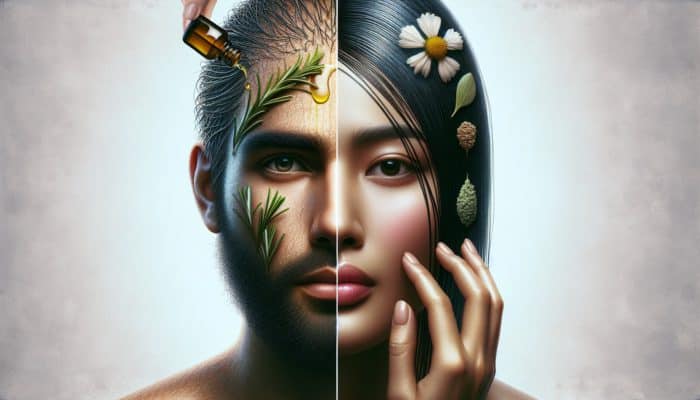
Selecting the appropriate herbal product is vital for effective dandruff management. Different scalp types necessitate distinct treatments. For example, individuals with oily scalps might benefit from products containing tea tree oil and rosemary, as these ingredients help balance sebum production while targeting dandruff. Conversely, those with dry scalps may find relief in products that feature chamomile and aloe vera, which provide soothing and hydrating properties.
Expert evaluations should involve assessing the individual’s scalp condition and identifying any underlying issues contributing to dandruff. For instance, if a flaky, itchy scalp is the primary concern, a blend featuring anti-inflammatory herbs may be more suitable. Scrutinising product labels to ascertain herbal concentrations can also guide consumers toward the best choice for their specific needs. Ultimately, understanding your scalp type is the foundation for selecting the most effective herbal remedies.
How Can Your Diet Influence the Effectiveness of Herbal Treatments for Dandruff?
Your diet significantly impacts the effectiveness of herbal remedies for dandruff. Certain foods can either enhance or hinder the body's ability to combat dandruff. For example, a diet rich in omega-3 fatty acids, found in fish and flaxseeds, promotes scalp health by reducing inflammation. Similarly, incorporating zinc-rich foods, such as nuts and legumes, supports hair and scalp health, potentially amplifying the effects of herbal treatments.
Conversely, excessive sugar and processed foods can worsen dandruff by encouraging fungal growth. Experts recommend dietary adjustments that align with a holistic treatment strategy. Consuming a balanced diet filled with fresh fruits, vegetables, and whole grains fosters overall health, facilitating the efficacy of herbal solutions. By complementing herbal treatments with appropriate nutritional choices, individuals can optimise their health and enhance their chances of achieving a dandruff-free existence.
What Are the Long-Term Advantages of Using Herbal Remedies for Dandruff Treatment?
The long-term advantages of employing herbal solutions for dandruff are substantial and varied. Firstly, these treatments often provide sustainable relief from dandruff symptoms without the side effects typically associated with chemical alternatives, such as irritation or allergic reactions. By consistently using herbal products, individuals can cultivate an environment that nurtures a healthy scalp, leading to diminished flakiness and irritation over time.
Another benefit lies in the nourishing properties of numerous herbs. Ingredients like chamomile and rosemary not only alleviate dandruff but also enhance overall scalp health. This can result in shinier, healthier hair that is less prone to breakage. Furthermore, the long-term application of herbal solutions can instil a sense of trust in natural remedies, motivating individuals to embrace a more holistic approach to their hair care routine. By maintaining a consistent application and integrating dietary considerations, users can reap lasting benefits that extend beyond mere symptom relief, resulting in enduring improvements in both scalp and hair health.
Understanding How Herbal Solutions Effectively Address Dandruff
What Are the Primary Causes of Dandruff, and How Do Herbal Remedies Effectively Address Them?
Dandruff primarily arises from an imbalance in the natural ecosystem of the scalp, often associated with a dry scalp or a fungal infection like *Malassezia*. This yeast-like fungus flourishes on the natural oils produced by the scalp and can lead to excessive flaking and irritation when it proliferates unchecked. Herbal solutions effectively tackle these causes by leveraging the properties of various plants. For instance, tea tree oil, recognised for its potent antifungal capabilities, can inhibit the growth of *Malassezia*, thereby alleviating flakiness and discomfort.
Moreover, other herbs possess characteristics that address dryness and inflammation. Chamomile is well-respected for its soothing effects, making it an excellent choice for calming an irritated scalp. By targeting both the symptoms and the underlying causes of dandruff, herbal treatments can provide a holistic approach to scalp health. Users can anticipate a decrease in flakes and irritation while fostering a healthier environment for hair growth.
What Is the Importance of Anti-Inflammatory Herbs in Treating Dandruff?
Anti-inflammatory herbs play a crucial role in the treatment of dandruff, particularly for those experiencing itchy and irritated scalps. When inflammation occurs, it can exacerbate dandruff symptoms, leading to discomfort and increased flaking. Herbs like chamomile and aloe vera are celebrated for their calming and anti-inflammatory properties, making them ideal for soothing an irritated scalp. Chamomile, in particular, contains flavonoids that can mitigate inflammation and provide relief from itchiness.
Incorporating these herbs into your hair care regimen can significantly enhance comfort levels. Utilising shampoos or conditioners infused with chamomile or applying herbal oils directly to the scalp can help reduce redness and swelling. This approach not only alleviates immediate discomfort but also contributes to long-term scalp health. By prioritising anti-inflammatory properties, individuals can manage dandruff more effectively, ensuring a more comfortable and healthy scalp environment.
Can Herbal Solutions Effectively Prevent the Recurrence of Dandruff?
Indeed, regular use of certain herbs can play a pivotal role in preventing the recurrence of dandruff. Consistency is key, as many herbal treatments necessitate time to establish their effects. Incorporating herbs into your routine can help maintain a healthy scalp, creating an environment that is less conducive to dandruff development. To support this preventative approach, consider the following measures:
- Incorporate tea tree oil into your shampoo for its antifungal properties.
- Utilise rosemary oil to enhance blood circulation and scalp health.
- Apply chamomile to soothe and alleviate inflammation.
- Maintain a balanced diet rich in omega-3 fatty acids and zinc.
- Stay hydrated to support overall skin and scalp health.
- Limit the use of harsh hair products that can irritate the scalp.
- Ensure regular cleansing to eliminate excess oils and flakes.
- Engage in stress-reduction techniques, as stress can exacerbate dandruff.
By adopting these practices alongside herbal treatments, individuals can significantly diminish the likelihood of dandruff recurrence, ensuring ongoing comfort and scalp health.
How Can You Choose the Right Herbal Remedy Tailored to Your Specific Dandruff Type?
Selecting the right herbal solution for your specific type of dandruff is essential for ensuring effective treatment. Understanding the nature of one’s dandruff is the first step towards selecting an appropriate remedy. For example, if the dandruff is oily, a treatment incorporating tea tree oil may be beneficial due to its ability to regulate oil production and combat fungal overgrowth. Conversely, individuals with dry scalp dandruff may find relief in products featuring aloe vera or chamomile, which provide hydration and soothe irritation.
It is also vital to consider any additional scalp issues, such as sensitivity or redness. An individual with a sensitive scalp may prefer milder formulations, ensuring that they do not aggravate their condition. Conducting a patch test when trying new herbal treatments is advisable to negate any adverse reactions. By focusing on these factors, individuals can effectively tailor their herbal remedy selections to their unique scalp conditions.
What Is the Importance of Consistency in Using Herbal Remedies for Dandruff?
Consistency in applying herbal remedies is crucial for effectively managing and reducing dandruff. Unlike chemical treatments, which may yield instantaneous results, herbal solutions typically require time to demonstrate significant improvements. Regular application—ideally 2-3 times per week—ensures that the beneficial properties of the herbs have an opportunity to manifest, providing cumulative benefits over time.
Neglecting a consistent routine can result in fluctuating outcomes, leading to frustration and discouragement. By committing to a regular schedule, individuals can observe gradual enhancements in their scalp health, including diminished itchiness, flakes, and overall irritation. This steady approach fosters not only trust in herbal remedies but also underscores the importance of a comprehensive hair care regimen that prioritises long-term well-being—benefits of Using Herbal Solutions for Dandruff.
What Are the Key Advantages of Herbal Remedies Compared to Chemical Treatments?
Herbal treatments for dandruff offer several compelling advantages over their chemical counterparts. One of the most significant benefits lies in their gentleness on the scalp. Many commercial anti-dandruff shampoos contain harsh ingredients that can lead to irritation, allergic reactions, or even exacerbate the condition. In contrast, herbal solutions utilise natural and soothing components, thus minimising the risk of adverse reactions.
Furthermore, herbal remedies often provide a multifaceted approach to scalp health. Rather than merely masking symptoms, they work to target the underlying causes of dandruff, promoting overall well-being. Ingredients such as tea tree oil and rosemary not only combat flakes but also nourish the scalp and stimulate hair growth. This holistic perspective fosters a healthier environment for hair, making herbal options a more sustainable choice for long-term scalp care.
How Do Herbal Solutions Enhance Overall Scalp Health?
Herbal solutions are not solely focused on alleviating dandruff symptoms; they also contribute to the overall health of the scalp, creating a more conducive environment for hair growth. Many herbs are rich in vitamins, minerals, and antioxidants that nourish the scalp. For instance, rosemary oil is known for enhancing blood circulation, which aids in delivering vital nutrients to hair follicles, promoting stronger and healthier hair.
Additionally, herbs like chamomile and aloe vera provide hydration and soothe irritation, establishing a balanced scalp environment. This balance is essential, as an overly dry or oily scalp can lead to further dandruff issues. By utilising herbal solutions that nourish and support the scalp, individuals can enjoy not only reduced dandruff but also improved overall hair vitality and strength.
Can Herbal Solutions Significantly Improve Hair Quality?
Herbal solutions can indeed enhance hair quality considerably. By effectively managing dandruff and soothing the scalp, these solutions create a conducive environment for hair to grow stronger and healthier. For example, consistent use of tea tree oil can reduce breakage and brittleness commonly associated with untreated dandruff, resulting in hair that is less susceptible to damage, leading to a shinier and more vibrant appearance.
Moreover, the nourishing properties of many herbal ingredients contribute to overall hair health. Regular application of herbal oils or treatments can lead to improved moisture retention, rendering hair more resilient and manageable. Notable benefits for hair quality include:
- Reduced breakage and split ends.
- Enhanced shine and vibrancy.
- Improved manageability and softness.
- Stronger hair growth due to better scalp health.
- Less frizz and static, leading to smoother hair.
- Overall increase in hair volume and thickness.
- Better moisture balance for all hair types.
- Natural protection against environmental damage.
By embracing herbal solutions, individuals can experience transformative improvements in their hair quality, complementing their efforts to manage dandruff effectively.
Popular Herbal Remedies in the UK for Dandruff Treatment
Tea Tree Oil: A Potent Ally Against Dandruff
Tea tree oil has emerged as one of the most effective herbal remedies for dandruff in the UK. Extracted from the leaves of the *Melaleuca alternifolia* tree, this essential oil boasts potent antifungal and antibacterial properties that target the root cause of dandruff: the overgrowth of *Malassezia* fungus. Studies indicate that tea tree oil can significantly reduce the severity of dandruff, leading to a noticeable decrease in flakes and irritation.
Incorporating tea tree oil into your hair care routine can be accomplished in various ways. A popular method involves mixing a few drops of tea tree oil with a carrier oil, such as coconut or jojoba oil, and applying it directly to the affected areas of the scalp. This not only maximises the antifungal benefits of tea tree oil but also nourishes the scalp, preventing dryness. Regular application, ideally 2-3 times a week, can yield substantial results and contribute to long-term scalp health.
Rosemary: A Natural Enhancer for Scalp Health
Rosemary is another herb widely celebrated in the UK for its positive impact on scalp health. Known for its stimulating properties, rosemary enhances blood circulation, which is essential for delivering nutrients to hair follicles. This increased circulation can support hair growth while simultaneously combating dandruff by keeping the scalp nourished and healthy.
Rosemary oil can be utilised in various ways to promote scalp health. Adding a few drops to your regular shampoo or conditioner can enhance its effectiveness. Alternatively, creating a rosemary-infused oil by steeping rosemary leaves in carrier oil provides a potent treatment that can be massaged directly onto the scalp. Regular use of rosemary not only helps manage dandruff but also supports overall hair vitality, making it a versatile addition to any hair care regimen.
Chamomile: The Gentle Herb for Scalp Comfort
Chamomile, with its soothing and anti-inflammatory properties, is a popular choice in the UK for addressing itchy, flaky scalps. Renowned for its ability to calm irritation, chamomile can provide immediate relief for those suffering from the discomfort associated with dandruff. It contains antioxidants and flavonoids that help reduce inflammation while promoting a healthier scalp environment.
Chamomile can be seamlessly integrated into hair care routines through various methods, such as utilizing chamomile-infused conditioners or creating a simple herbal rinse. To prepare a chamomile rinse, steep dried chamomile flowers in hot water, allow them to cool, and use this infusion as a final rinse after shampooing. This gentle treatment not only soothes the scalp but also imparts a delightful fragrance to the hair, enhancing the overall hair care experience.
Best Practices for Employing Herbal Solutions for Dandruff Management
How Often Should You Use Herbal Treatments for Dandruff?
The frequency of using herbal treatments for dandruff may vary based on the severity of the condition and the specific remedy employed. Generally, it is advisable to apply herbal treatments 2-3 times a week to maintain a healthy scalp and mitigate the recurrence of dandruff. This regular application allows the beneficial properties of the herbs to take effect, gradually diminishing symptoms over time.
For individuals with mild dandruff, treatments twice a week may suffice, while those facing more severe cases might benefit from more frequent applications. It is essential to monitor the scalp's response to these treatments and adjust the frequency accordingly. Consistency is vital; neglecting treatments may lead to a resurgence of dandruff symptoms, making it crucial to establish a routine that ensures ongoing care and maintenance of scalp health.
What Potential Side Effects Can Arise from Using Herbal Remedies?
While herbal remedies for dandruff are generally safe for most individuals, some may provoke allergic reactions or skin irritation. It is essential to perform a patch test when introducing a new herbal treatment into your routine. Apply a small amount of the product to a discreet area of skin and wait for 24 hours to observe any adverse reactions.
Possible side effects may include:
- Skin irritation or redness.
- Allergic reactions, such as itching or swelling.
- Dryness or flakiness may occur if used excessively.
- Increased sensitivity in some individuals.
- Interaction with other hair products.
- Unpleasant odour if not rinsed properly.
- Possible greasiness from oil-based treatments.
- Temporary increase in itching if irritation occurs.
By taking precautions and being mindful of potential reactions, individuals can safely enjoy the benefits of herbal solutions for dandruff without adverse effects.
How Can You Combine Different Herbs for Maximum Effectiveness?
Combining various herbs can significantly enhance the effectiveness of herbal remedies for dandruff. Certain herbs complement each other, creating a synergistic effect that can lead to improved results. For example, blending tea tree oil with rosemary can provide a powerful anti-dandruff treatment. While tea tree oil combats fungal growth, rosemary stimulates blood circulation to nourish the scalp.
To achieve optimal results, it is essential to experiment with different herbal combinations to find what works best for your scalp type. Chamomile can also be included in a mixture for its soothing properties, resulting in a well-rounded treatment that addresses both dandruff and irritation. When combining herbs, ensure that you maintain appropriate ratios, typically starting with a few drops of essential oils in a carrier oil and adjusting based on individual preferences.
How Can You Seamlessly Integrate Herbal Solutions into Your Hair Care Routine?
Incorporating herbal solutions into your hair care regimen can be both straightforward and gratifying. One effective approach is to add herbal oils or extracts to your existing shampoos and conditioners. For instance, mixing a few drops of tea tree oil into your shampoo can enhance its anti-dandruff properties without necessitating a complete overhaul of the product.
Alternatively, you can create herbal rinses or treatments that can be used as standalone applications. For example, prepare a rosemary-infused oil by steeping rosemary leaves in a carrier oil, then massaging it into the scalp before shampooing. This method allows you to harness the benefits of the herbs while maintaining flexibility in your hair care regimen.
Lastly, consistency is key—establishing a routine that incorporates these herbal solutions will ultimately yield the best results. By regularly utilising herbal treatments, you can create a lasting impact on your scalp health and overall hair condition.
Proven Methods for Effective Herbal Solutions for Dandruff
How Can You Create a Homemade Herbal Dandruff Remedy?
Creating a homemade herbal dandruff treatment is a rewarding process that allows you to customise ingredients to meet your specific needs. One effective recipe involves combining tea tree oil and aloe vera, leveraging their antifungal and soothing properties for optimal results. Start by mixing a few drops of tea tree oil with a tablespoon of aloe vera gel. This blend can be massaged directly onto the scalp, focusing on areas requiring extra attention. Allow it to sit for 30 minutes before rinsing with a gentle shampoo.
Another option is to prepare a herbal rinse using chamomile. Steep dried chamomile flowers in boiling water and let them cool. After shampooing, use this infusion as a final rinse to soothe the scalp and reduce irritation. Adjust the ratio of herbs and carrier oils to discover the perfect blend for your scalp's unique requirements. Experimenting with different combinations can lead to finding a treatment that works best for you.
What Professional Herbal Products Are Available in the UK for Dandruff?
The UK market offers an abundance of professional herbal products specifically designed for treating dandruff. Brands such as Neal's Yard Remedies and Faith in Nature provide shampoos and conditioners infused with herbal ingredients like tea tree oil and rosemary. When selecting a product, it is essential to seek those containing high concentrations of these beneficial herbs, ensuring their efficacy.
In addition to shampoos, consider herbal oils that can be applied directly to the scalp. Products featuring aloe vera or chamomile can offer significant relief from irritation and dryness. Reading reviews and consulting with professionals will aid you in determining which products have proven most effective for others with similar scalp conditions. Choosing high-quality herbal products can greatly enhance your chances of effectively managing and reducing dandruff.
How Can You Maintain a Dandruff-Free Scalp Using Herbal Solutions?
Maintaining a dandruff-free scalp through herbal solutions necessitates a proactive and consistent approach. Regular use of herbal treatments, such as tea tree oil and rosemary, can significantly decrease the likelihood of dandruff recurrence. Implementing a routine that includes herbal rinses and scalp massages can promote scalp health while alleviating dandruff symptoms.
Moreover, cultivating healthy habits, such as adhering to a balanced diet and staying adequately hydrated, can complement the effects of herbal treatments. Limiting the use of harsh hair products and avoiding excessive heat styling can further support scalp health. Real-world examples of individuals who have successfully managed their dandruff with these strategies illustrate the effectiveness of a holistic approach. By committing to a consistent regimen and integrating herbal solutions, one can achieve lasting relief from dandruff.
Frequently Asked Questions
What Is Dandruff?
Dandruff is a common condition characterised by flakes that often accompany itching or irritation. It can result from various factors, including dry skin, fungal infections, or sensitivity to hair products.
Can Herbal Solutions Effectively Substitute Traditional Dandruff Treatments?
Yes, herbal solutions can effectively serve as substitutes for traditional treatments for many individuals. They are generally gentler and can address the underlying causes of dandruff without the harsh side effects associated with chemical products.
How Long Does It Typically Take for Herbal Treatments to Show Results?
The results from herbal treatments can vary, but generally, they require consistent use over several weeks to demonstrate significant improvement. Regular application is crucial for achieving optimal results.
Are There Any Potential Side Effects Associated with Herbal Remedies?
While generally safe, some individuals may experience allergic reactions or skin irritation from herbal remedies. It is advisable to conduct a patch test and consult a healthcare professional if you have any concerns.
Can Diet Influence the Severity of Dandruff?
Yes, diet can have a considerable impact on the severity of dandruff. Consuming nutrient-rich foods, particularly those high in omega-3 fatty acids and zinc, can support scalp health and diminish the likelihood of dandruff.
Which Herbs Are Most Effective for Treating Oily Dandruff?
For oily dandruff, herbs like tea tree oil and rosemary are particularly effective due to their antifungal properties and ability to regulate oil production on the scalp.
Should I Utilise Herbal Treatments for an Ulcer?
It is generally recommended to use herbal treatments 2-3 times a week to maintain scalp health and prevent the recurrence of dandruff.
Can I Combine Multiple Herbs for Treating Dandruff?
Yes, combining multiple herbs can enhance the effectiveness of treatments. Herbs like tea tree oil and rosemary work synergistically, providing a comprehensive approach to managing dandruff.
Are There Specific Products Formulated for Sensitive Scalps?
Yes, there are herbal products specifically designed for sensitive scalps. Look for those labelled as hypoallergenic or formulated for sensitive skin, often containing soothing ingredients like chamomile or aloe vera.
Is Professional Consultation Necessary for Effective Dandruff Treatment?
While many individuals can manage dandruff effectively with herbal solutions, consulting a professional can provide personalised insights and help address issues appropriately.
Connect with Us on Facebook!
The Article: Herbal Solutions for Dandruff: UK’s Natural Remedies appeared first on https://mcrtherapies.co.uk
The Article Herbal Solutions for Dandruff: Natural Remedies in the UK Was Found On https://limitsofstrategy.com