Comprehensive Insights into Urban Predators and Their Impact
What Constitutes Urban Predators and Why Are They Important?

Urban predators refer to various species that have successfully adapted to thrive within urban settings, presenting both challenges and opportunities for human safety and local wildlife. These fascinating animals are often spotted in parks, residential areas, and urban gardens, creating a complex interplay between humans and wildlife. Understanding their behaviours and ecological roles is essential for fostering harmonious coexistence. Commonly identified urban predators include:
- Raccoons
- Coyotes
- Foxes
- Opossums
- Skunks
- Domestic cats
- Birds of prey (such as hawks and owls)
- In some urban areas, alligators
Each species exhibits distinct behaviours and adaptations that enable them to flourish in urban environments, resulting in increased encounters with humans. Gaining knowledge about these dynamics is crucial for nurturing a peaceful coexistence between city dwellers and local wildlife.
What Distinct Behavioural Patterns and Routines Characterise Urban Predators?
To effectively coexist with urban predators, it is essential to comprehend their daily activities and territorial behaviours. Urban predators tend to display heightened activity during dawn and dusk, correlating with increased interactions with humans. By observing their specific behaviours, residents can anticipate their movements. Key behaviours to monitor include:
- Foraging during early mornings or late evenings
- Marking territory using scent marking
- Creating dens in hidden locations such as garages or under decks
- Exhibiting boldness in human-dominated areas, particularly when food sources are plentiful
Understanding these behavioural patterns empowers residents to adjust their habits and environments, thereby reducing the chances of unwelcome encounters with these captivating creatures.
Why Do Urban Areas Attract Predators?
Urban environments provide a myriad of opportunities for various predator species. The abundance of food sources, which include discarded waste, pet food, and small mammals, draws these animals into city landscapes. Additionally, urban structures offer much-needed shelter from harsh weather conditions, making cities attractive sanctuaries. The encroachment of urban development frequently disrupts natural habitats, compelling wildlife to seek refuge within urban areas. Contributing factors include:
- Increased food availability, including rodents and human food leftovers
- Loss of natural habitats due to human expansion
- Reduced competition from other predators
- Favourable microclimates found in urban settings
These elements emphasise the growing presence of urban predators and their integration into city life, highlighting the need for informed management strategies.
How Can We Foster Peaceful Coexistence with Urban Predators?

Living harmoniously with urban predators does not have to be a source of concern; in fact, it can represent an opportunity for peaceful coexistence. By implementing strategic measures, residents can significantly reduce conflicts and enhance safety. Effective strategies include:
- Securing waste bins with tightly fitting lids
- Bringing pet food indoors at night
- Eliminating hiding spots by trimming bushes and clearing debris
- Installing motion-activated lights to deter nocturnal animals
By making these straightforward adjustments to daily routines, residents can create an environment where both humans and urban predators can thrive without unnecessary conflict.
What Role Do Urban Predators Play in Ecosystems?
Urban predators fulfil numerous functions within local ecosystems, influencing both wildlife populations and community dynamics. Their presence can lead to beneficial outcomes, such as the control of rodent populations and the maintenance of balance within the food web. However, they may also negatively impact local wildlife, particularly smaller species that could become prey. The interactions between urban predators and their environments involve:
- Reduction of overpopulated species, promoting healthier ecosystems
- Potential competition with native species, which can disrupt local biodiversity
- Influencing urban flora and fauna through predation
- Creating potential pathways for disease transmission among wildlife
Understanding these interactions is essential for developing effective management strategies that benefit both urban wildlife and human communities.
Expert Perspectives on Urban Predator Awareness
How Do Specialists Track Urban Predator Populations?
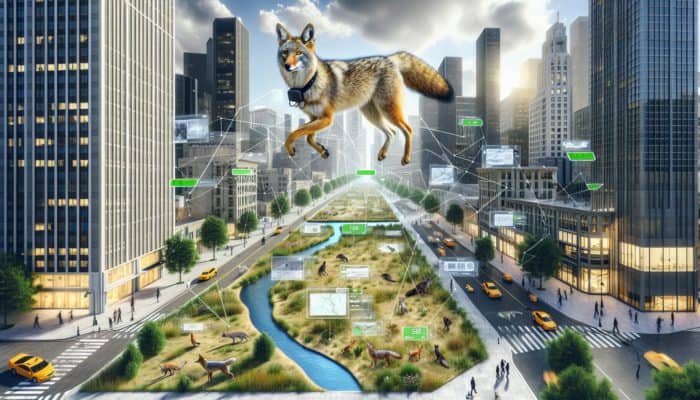
Experts utilise a broad array of advanced techniques to monitor urban predator populations, blending technology with field observations for comprehensive data collection. This may include the deployment of GPS collars, camera traps, and community reporting systems. For instance, GPS collars allow for real-time tracking of movement patterns, offering valuable insights into how these animals navigate urban landscapes. Additionally, camera traps can capture images of predators in their natural behaviours, aiding in the assessment of their population density and activities. These methods provide a thorough understanding of urban predator dynamics, informing management strategies that promote coexistence.
What Best Practices Should Be Followed for Managing Urban Predators?
Efficient management of urban predators necessitates a collaborative approach that involves local communities, wildlife specialists, and policymakers. Recommended best practices include:
- Creating public awareness campaigns focused on urban predators
- Implementing community-based monitoring programmes to track local wildlife
- Establishing guidelines for securely managing trash and pet food
- Encouraging community clean-up initiatives to reduce attractants
These actions foster community cooperation and proactive measures that lead to effective management, enhancing safety for residents while promoting sustainability for urban wildlife.
How Can Communities Leverage Expert Knowledge for Enhanced Safety?
Utilising expert insights can significantly enhance community safety and mitigate conflicts with urban predators. By establishing relationships with wildlife experts, communities can receive tailored advice on addressing local wildlife challenges. Educational workshops empower residents with knowledge about urban predators, increasing their understanding of behaviours and needs. Such collaborations can yield:
- Enhanced community awareness regarding safety practices
- Improved local policies informed by scientific research
- Dedicated resources for urban wildlife management
- Strengthened community bonds through shared objectives
By leveraging expert knowledge, communities can work towards creating safer urban environments while recognising the vital role of predators in local ecosystems.
How Can Urban Residents Safely Coexist with Predators?
Urban residents can adopt specific practices to minimise risks associated with urban predators. Safety begins with awareness and practical strategies that encourage peaceful coexistence. Expert-recommended tactics include:
- Maintaining a safe distance from urban predators when encountered
- Using noise deterrents, such as clapping or shouting, when facing a predator
- Educating oneself and family about predator behaviours and safety
- Collaborating with neighbours to implement community safety measures
By adopting these practices, residents not only enhance personal safety but also foster a community culture of coexistence that benefits both humans and wildlife.
Effective Strategies for Preventing Encounters with Urban Predators
How Can You Fortify Your Home Against Urban Predators?
Securing your home against urban predators is crucial for averting unwanted encounters. Simple, proactive measures can effectively deter these animals. Key home security tips include:
- Fencing your yard with a sturdy barrier that stands at least six feet tall
- Utilising locks on gates to prevent unauthorised access
- Installing motion-activated lights around the property
- Keeping outdoor grills and patios clean and free of food remnants
By implementing these measures, homeowners can create an environment that minimises the likelihood of attracting urban predators, ensuring a safer living space for all residents.
What Actions Should You Take If You Encounter a Predator?
Knowing how to react during a predator encounter can significantly influence safety outcomes. If you find yourself face-to-face with an urban predator, it is essential to remain calm and adhere to these guidelines:
- Do not run; this could trigger a chase instinct.
- Make yourself appear larger by raising your arms.
- Make loud noises to scare the animal away.
- Back away slowly, keeping your eyes on the predator without turning your back.
Understanding these responses can help avert dangerous situations while fostering respectful interactions with urban wildlife.
Why Are Community Education Programmes Vital?
Community education is crucial for alleviating fear and enhancing safety regarding urban predators. By informing residents about the behaviours and needs of these animals, communities can develop a more positive outlook on urban wildlife. Educational initiatives may include:
- Workshops on urban predator identification and behaviours
- Information sessions on safeguarding properties against wildlife
- Community forums to discuss concerns and share experiences
- Engagement activities, such as nature walks to observe urban wildlife
These initiatives not only educate residents but also cultivate a culture of coexistence, ultimately enhancing overall community safety.
Identifying Signs of Urban Predator Presence
How Can You Recognise Predator Tracks and Scat?
Recognising signs of predator activity is vital for early detection and effective management. Learning to identify tracks and scat can provide valuable insights into the types of predators inhabiting your area. Each species leaves distinct tracks; for example, a coyote track is generally larger than that of a domestic dog and features a more defined shape. Scat also varies between species; raccoon scat often contains remnants of fruit and other foods they have consumed. Common signs to look for include:
- Footprints in soft soil or snow
- Scat with identifiable contents
- Scratches on trees or fences indicating territory marking
- Hair caught on fences or shrubs
By familiarising yourself with these signs, you can better monitor local predator activities and adapt your safety strategies accordingly.
What Types of Damage Can Predators Inflict?
Urban predators can cause a range of damage, from property destruction to predation of pets or livestock. Recognising these signs can facilitate timely action to address potential issues. Indicators of predator activity on your property may include:
- Disturbed rubbish or bird feeders
- Scratches on doors or fences
- Missing livestock or pets
- Signs of digging or denning beneath structures
Being vigilant and understanding these signs can empower homeowners to take appropriate measures to mitigate risks associated with urban predators.
How Should You Report Sightings of Urban Predators?
Reporting urban predator sightings is crucial for effectively tracking and managing predator populations. Residents should document their observations and communicate them to local wildlife authorities. Steps to report sightings include:
- Noting the time, location, and description of the animal.
- Taking photographs if it is safe to do so.
- Contacting local wildlife agencies or utilising community reporting apps.
- Sharing your information with neighbours to raise awareness.
This proactive approach can assist authorities in monitoring urban predator populations, leading to more effective management strategies and increased safety for residents.
Strategies for Harmonious Coexistence with Urban Predators
What Strategies Encourage Safe Coexistence?
Successfully coexisting with urban predators requires a combination of understanding and adaptability. Implementing well-thought-out strategies can reduce risks and foster a harmonious relationship. Key strategies include:
- Establishing community guidelines for wildlife interactions
- Promoting responsible pet ownership, such as keeping pets indoors at night
- Creating green spaces that support biodiversity and maintain a natural balance
- Facilitating community discussions on best safety practices
By adopting these strategies, communities can cultivate environments where both humans and urban predators can thrive together.
What Advantages Are Associated with Coexisting with Urban Predators?
The benefits of coexisting with urban predators extend well beyond mere tolerance. Embracing these creatures enhances biodiversity and promotes ecological health. The positive impacts include:
- Natural pest control through the predation of rodents and insects
- Heightened public interest in wildlife conservation efforts
- Increased awareness of urban ecosystems and their complexities
- Opportunities for educational programs that foster empathy towards wildlife
These factors underscore the importance of viewing urban predators as essential components of urban ecosystems, rather than mere threats to human safety.
What Community Initiatives Promote Coexistence?
Community-led initiatives play a pivotal role in creating a harmonious environment alongside urban predators. Successful programs often emphasise education, collaboration, and proactive management strategies. Effective initiatives may include:
- Neighborhood watch programs dedicated to monitoring urban wildlife
- School partnerships with wildlife organisations for educational outreach
- Community clean-up events to reduce attractants
- Workshops on safe interactions with local wildlife
Through these efforts, communities can promote coexistence while ensuring safety and enhancing their understanding of urban wildlife.
How Can Public Education Enhance Understanding of Urban Predators?
Education serves as a powerful vehicle for increasing public awareness and safety regarding urban predators. Effective strategies for educating communities about these animals encompass:
- Hosting informational sessions led by wildlife experts
- Creating educational materials, such as brochures and online resources
- Utilising social media platforms to disseminate tips and information
- Encouraging local schools to integrate wildlife education into their curricula
These strategies empower residents to make informed decisions, leading to safer communities and a deeper respect for urban wildlife.
What Policies Support Effective Urban Predator Management?
Robust policies and legislation are vital for managing urban predators. Local governments must develop frameworks that balance safety with conservation efforts. Key focus areas include:
- Implementing regulations for responsible pet ownership
- Establishing guidelines for wildlife feeding and attractants
- Enhancing funding for urban wildlife management programs
- Promoting community involvement in policy development
These measures can create a sustainable approach to managing urban predators that benefits both residents and wildlife, ensuring a harmonious coexistence.
Research-Backed Benefits of Urban Predator Awareness
How Does Increased Awareness Mitigate Conflicts?
Awareness initiatives are essential in minimising conflicts between humans and urban predators. By educating communities about predator behaviours, safety measures, and coexistence tactics, the incidence of fear and misunderstanding is significantly reduced. Research indicates that communities with strong awareness programs experience:
- Fewer wildlife-related incidents and complaints
- Increased willingness among residents to adopt safety measures
- Greater collaboration among community members in wildlife monitoring
- Heightened appreciation for the role of predators in urban ecosystems
These benefits highlight the importance of ongoing education and community engagement in promoting coexistence and understanding.
What Impact Does Public Awareness Have on Biodiversity?
Awareness initiatives can significantly support biodiversity by encouraging responsible behaviours and coexistence strategies among urban residents. When communities recognise the significance of predators in sustaining ecological balance, they are more likely to:
- Support conservation efforts aimed at safeguarding urban wildlife habitats
- Engage in citizen science programs that monitor local biodiversity
- Advocate for policies that ensure safe coexistence with urban predators
- Cultivate a culture of respect towards all wildlife
These factors contribute to healthier ecosystems and richer urban biodiversity, illustrating the essential role of education in urban wildlife management.
What Influence Does Public Policy Have on Predator Awareness?
Public policy plays a significant role in shaping urban predator awareness and management. Strong policies can facilitate educational programs and community initiatives aimed at promoting coexistence. Areas where public policy can make a substantial difference include:
- Funding for research on urban wildlife dynamics
- Incentives for community-based wildlife management programs
- Regulations on wildlife feeding and attractants
- Support for habitat preservation and restoration projects
By prioritising these elements, policymakers can ensure that urban predator awareness is integrated into community planning and development, fostering safer urban environments for all residents.
Educating Children About Urban Predators
What Fundamental Knowledge Should Children Acquire About Urban Predators?
Teaching children about urban predators is crucial for ensuring their safety and nurturing respect for wildlife. Children should learn essential facts about these animals, including their behaviours, habitats, and the importance of maintaining a safe distance. Critical topics to cover include:
- The types of urban predators they might encounter
- How to recognise signs of predator activity
- Safe practices when encountering a predator
- The ecological role of predators within the ecosystem
By imparting this knowledge, children can develop a healthy understanding of urban wildlife and the significance of coexistence, ultimately preparing them for future interactions with these fascinating creatures.
What Role Do Educational Programs and Workshops Play?
Educational programs in schools are vital for teaching children about urban predators. Implementing interactive workshops and curriculum-based lessons can effectively engage students. Successful components of these programs include:
- Hands-on activities, such as tracking and identifying local wildlife
- Guest lectures from wildlife experts to provide real-world insights
- Field trips to local parks to observe urban ecosystems
- Creative projects that encourage children to express their learning
These initiatives not only educate children but also inspire them to become advocates for wildlife conservation within their communities, fostering a sense of responsibility towards the environment.
How Can Parents Reinforce Predator Safety Lessons at Home?
Parents play a crucial role in reinforcing predator safety lessons learned in school. By engaging in discussions and activities related to urban predators, parents can deepen their children's understanding. Effective strategies include:
- Encouraging children to share what they have learned in school about wildlife
- Setting up family outings in nature to observe wildlife responsibly
- Creating a safe space for open discussions about fears and experiences with urban predators
- Modeling responsible behaviours regarding interactions with wildlife
By actively participating in these educational efforts, parents can help cultivate a sense of stewardship in their children towards urban wildlife, ensuring they grow up with a deep respect for nature.
What Are Effective Community Outreach and Public Awareness Campaigns?
Community outreach initiatives can significantly enrich children’s understanding of urban predators. Effective campaigns may include:
- Family-friendly events featuring wildlife education booths
- Collaborative projects between schools and local wildlife organisations
- Interactive programs that promote safe interactions with wildlife
- Social media campaigns that disseminate educational content and practical tips
These efforts not only educate children but also foster a collective community understanding of how to coexist safely with urban predators, promoting a culture of respect for wildlife among all age groups.
What Interactive Learning Tools and Resources Are Accessible?
Engaging learning tools can effectively enhance children’s understanding of urban predators. Interactive resources, such as apps, games, and educational websites, can provide immersive experiences. Useful tools include:
- Mobile apps for tracking and identifying local wildlife
- Online games that teach about ecosystems and predator-prey relationships
- Interactive educational videos showcasing urban wildlife
- Resource websites offering printable materials for children
These tools can make learning about urban predators enjoyable and engaging, encouraging children to explore and appreciate their local environments while nurturing curiosity about the natural world.
Addressing Myths and Facts About Urban Predators
What Are the Common Misconceptions Surrounding Urban Predators?
Misinformation regarding urban predators can lead to unnecessary fear and ineffective management. Debunking common myths is essential for cultivating a more informed community. Some prevalent misconceptions include:
- All urban predators pose a danger to humans.
- Urban predators will attack pets if allowed outside.
- Predators like coyotes are overly aggressive in urban settings.
- Feeding urban wildlife is beneficial for their survival.
By clarifying these misunderstandings, communities can foster a more balanced perspective on urban wildlife behaviour, alleviating unfounded fears and promoting coexistence.
What Are the Actual Risks Associated with Urban Predators?
Understanding the genuine risks posed by urban predators is crucial for developing appropriate responses. While encounters can be unsettling, it is important to note that most urban predators prefer to avoid humans. Actual risks include:
- Minor conflicts with pets if left unattended
- Occasional property damage, such as digging in gardens
- Transmission of diseases among wildlife populations
- Human-wildlife interactions leading to fear and misunderstanding
Recognising these risks enables communities to implement effective safety measures while respecting urban wildlife and acknowledging their role within the ecosystem.
How Can You Distinguish Fact from Fiction Regarding Urban Predators?
Learning to separate myths from facts is critical for effective predator awareness. Residents can evaluate predator-related information by:
- Consulting local wildlife agencies for accurate data
- Participating in community workshops led by experts
- Engaging with reputable wildlife organisations and utilising their resources
- Encouraging open discussions within the community about wildlife issues
By fostering critical thinking and informed discussions, communities can cultivate a more accurate understanding of urban predators, enhancing coexistence and wildlife management strategies.
Proven Strategies for Urban Predator Awareness
How Can Technology Enhance Predator Awareness?
Technology plays a pivotal role in monitoring and managing urban predator populations. Various tools and applications provide innovative solutions for both experts and residents. Examples include:
- Mobile apps that enable users to report sightings and share information
- Camera traps that capture nocturnal activities for research and monitoring
- GIS mapping systems to track predator movements and hotspots
- Social media platforms for community engagement and awareness campaigns
These technological advancements significantly enhance predator awareness efforts, allowing for more effective management strategies and fostering safer coexistence between urban wildlife and residents.
What Community-Based Approaches Are Effective for Predator Awareness?
Community involvement is essential for the success of urban predator awareness programs. Effective community-based strategies include:
- Establishing partnerships between residents and local wildlife experts
- Creating volunteer programs for monitoring wildlife activity
- Hosting neighbourhood meetings for sharing experiences and strategies
- Collaborating with schools to integrate predator education into curricula
By actively engaging the community, awareness initiatives can promote a culture of coexistence and safety, enhancing the well-being of both urban wildlife and human residents.
What Role Do Wildlife Organisations Play in Promoting Awareness?
Wildlife organisations are instrumental in educating the public about urban predators. Their contributions include:
- Providing expert knowledge and resources for community education
- Researching urban wildlife dynamics and management strategies
- Leading outreach programs that connect residents with local wildlife
- Advocating for policies that support predator conservation and management
These efforts help bridge the gap between communities and wildlife, fostering safer interactions while deepening understanding of urban ecosystems and their complexities.
Frequently Asked Questions Regarding Urban Predators
What Are the Most Common Urban Predators Found in Cities?
The most common urban predators include raccoons, coyotes, foxes, opossums, skunks, and various birds of prey, each uniquely adapted to thrive in city environments.
How Can I Identify If an Urban Predator Is Present in My Area?
Signs of urban predator activity include tracks, scat, disturbed garbage, and sightings of the animals themselves, particularly during twilight hours.
What Steps Should I Take If I Encounter a Predator?
Remain calm, avoid running, make yourself appear larger, and back away slowly while making noise to encourage the predator to leave the area.
Are Urban Predators a Threat to Pets?
While urban predators generally avoid human interactions, they may pose a risk to unattended pets. It is advisable to keep pets secured indoors at night.
How Can I Promote Safe Coexistence with Urban Predators?
Securing your rubbish, removing attractants, and educating yourself about local wildlife behaviours can facilitate peaceful coexistence with urban predators.
What Educational Resources Are Available to Learn About Urban Predators?
Many local wildlife organisations offer workshops, educational materials, and online resources designed to educate residents about urban predators and their behaviours.
How Can I Report a Sighting of an Urban Predator?
To report sightings, contact local wildlife agencies, documenting details such as time, location, and any identifiable characteristics of the animal observed.
Are Urban Predators Beneficial to City Ecosystems?
Yes, urban predators play a crucial role in controlling populations of rodents and other small animals, thereby maintaining a balanced urban ecosystem.
What Myths Are Commonly Associated with Urban Predators?
Common myths include the belief that all urban predators are aggressive or that feeding them aids in their survival, both of which can lead to misunderstandings and mismanagement.
How Can Technology Assist in Managing Urban Predator Populations?
Technology aids monitoring through GPS tracking, camera traps, and community reporting apps, enhancing awareness and management strategies for urban wildlife.
Explore more with us on X!
The post Urban Predator Awareness: Protecting Communities appeared first on Survival Bite.
The Article Urban Predator Awareness: Safeguarding Our Communities Was Found On https://limitsofstrategy.com