Unlocking the Full Potential of Muscle Growth with BCAAs: Your Ultimate Resource
What Are BCAAs and How Do They Contribute to Optimal Muscle Health?
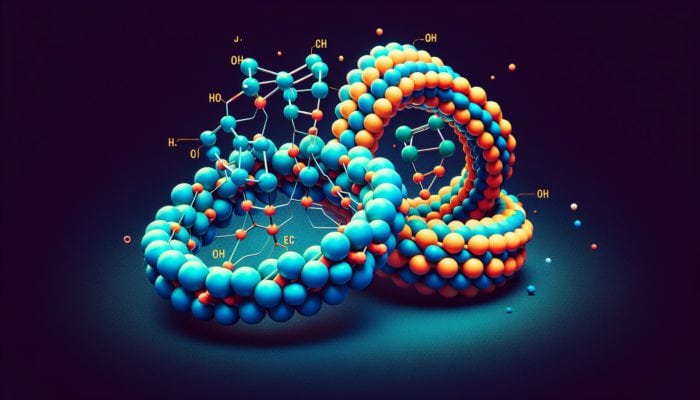
BCAAs, or Branched-Chain Amino Acids, consist of three essential amino acids: leucine, isoleucine, and valine. These amino acids are classified as essential because the human body lacks the capability to synthesise them; they must be sourced from dietary intake or supplementation. BCAAs play a critical role in enhancing muscle health by significantly facilitating muscle protein synthesis, a vital biological process for repairing and constructing muscle tissue following exercise. This makes BCAAs particularly crucial for athletes and fitness enthusiasts who engage in rigorous training aimed at muscle enhancement.
In addition to their role in promoting muscle growth, BCAAs are essential for maintaining energy levels during extended physical exertion. This aspect is particularly significant for athletes participating in endurance sports, where sustained energy is paramount. BCAAs can serve as a vital energy reservoir, assisting individuals in powering through workouts and sustaining high performance. Consequently, understanding the importance of BCAAs is essential for anyone aiming to elevate their fitness journey and achieve their health objectives effectively.
How Do BCAAs Facilitate Protein Synthesis to Boost Muscle Growth?
Muscle protein synthesis is a cornerstone of muscle development, and BCAAs are pivotal in this crucial process. Among the trio of BCAAs, leucine is particularly notable for its ability to initiate muscle protein synthesis by activating the mTOR pathway, a key player in muscle repair and growth. When consumed, especially after exercising, leucine can elicit a more robust anabolic response, ultimately resulting in increased muscle mass over time.
Unlike other amino acids that primarily undergo processing in the liver, BCAAs are metabolised directly within muscle tissues. This unique metabolic route enables BCAAs to respond quickly to the body's recovery needs after strenuous workouts. As a result, they fulfil a dual role: promoting muscle repair while also providing energy, making them indispensable for muscle growth and overall athletic performance.
How Are BCAAs Metabolised in the Body for Maximum Effectiveness?
The metabolic pathway of BCAAs is distinctive compared to that of other amino acids. Rather than being metabolised in the liver, BCAAs are mainly processed within muscle tissues. This localised metabolism offers significant advantages to athletes, allowing for a rapid response to muscle damage and fatigue. Once ingested, BCAAs can be swiftly utilised, considerably reducing recovery time and promoting muscle growth.
This quick metabolism means that during high-intensity workouts, BCAAs can be leveraged as an energy source, helping to alleviate fatigue and avert muscle degradation. This dual function of providing energy while facilitating muscle recovery is precisely why BCAAs are a popular choice among fitness enthusiasts worldwide. Athletes across diverse disciplines, including weightlifting, cycling, and running, recognise the substantial benefits of incorporating BCAAs into their training regimens.
Expert Perspectives on the Impact of BCAAs on Muscle Growth
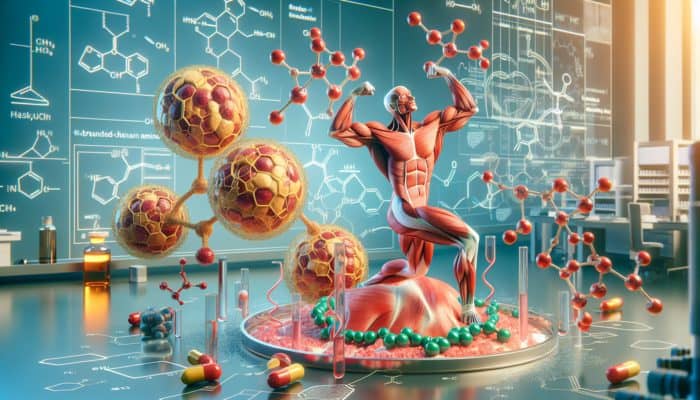
How Do BCAAs Facilitate Muscle Recovery Following Intense Workouts?
BCAAs are widely acknowledged for their ability to enhance muscle recovery, an essential component of any effective fitness programme. By inhibiting muscle protein breakdown during physical exertion, BCAAs can significantly diminish muscle soreness and fatigue, enabling athletes to resume their training routines sooner, often at optimal performance levels. The specific benefits of BCAAs in muscle recovery encompass:
- Significant reduction in muscle soreness following exercise.
- Lower levels of fatigue experienced during workouts.
- Accelerated recovery times, allowing for more consistent and effective training schedules.
- Enhanced muscle repair, contributing to overall muscle growth.
By minimising muscle damage, BCAAs empower athletes to push their limits without enduring the prolonged recovery periods typically associated with intense training. Consequently, athletes and fitness enthusiasts discover that integrating BCAAs into their nutritional strategies can lead to improved performance and reduced downtime, ultimately facilitating the attainment of their fitness goals.
What Is the Recommended Dosage of BCAAs for Optimal Results?
The ideal dosage of BCAAs can vary based on individual requirements, activity levels, and specific fitness objectives. Nevertheless, the prevailing consensus among experts suggests a dosage of 5-10 grams of BCAAs taken before or after workouts. This quantity is generally adequate to harness the complete range of benefits associated with BCAAs in relation to muscle growth and recovery.
For those engaged in demanding training or endurance sports, slightly higher dosages may prove advantageous in effectively combating muscle fatigue and soreness. It is crucial for individuals to monitor their responses to BCAA supplementation and adjust dosages accordingly. Consistency in dosing, particularly around workout times, can significantly enhance the overall efficacy and results associated with BCAA intake.
What Evidence Supports the Role of BCAAs in Muscle Growth?

Real-life applications of BCAAs illustrate their significant influence on muscle growth among athletes and fitness enthusiasts. For example, professional bodybuilders often integrate BCAAs into their pre- and post-workout routines to minimise muscle soreness and enhance recovery, thereby enabling them to maintain rigorous training schedules. Similarly, endurance athletes, such as marathon runners, utilise BCAAs to alleviate fatigue during extended events, allowing them to perform at their best.
Case studies reveal that athletes who consistently consume BCAAs report reduced levels of muscle soreness and quicker recovery times, resulting in more productive training sessions. The effectiveness of BCAAs is evident across various training programmes, underscoring their value as a crucial supplement in sports nutrition. Expert evaluations continually affirm that incorporating BCAAs can bolster performance and contribute to muscle growth, reinforcing their importance within the fitness community.
Exploring the Connection Between BCAAs and Exercise Performance
How Do BCAAs Enhance Endurance Performance in Athletes?
BCAAs provide essential advantages for endurance athletes by alleviating fatigue during prolonged exercise sessions. By serving as an immediately available energy source during workouts, BCAAs can assist in delaying fatigue's onset, enabling athletes to maintain their performance over extended durations. This support in endurance activities is a crucial consideration for athletes aiming to optimise their training efficiency.
Several mechanisms contribute to the enhancement of endurance through BCAAs. They can lower perceived exertion, allowing athletes to persevere through challenging workouts without feeling overwhelmed. This psychological aspect is as vital as its physiological effects, as it helps individuals maintain focus and motivation during demanding training sessions. Key benefits of BCAAs for endurance include:
- Providing an immediate energy source during prolonged exercise.
- Reducing fatigue and levels of perceived exertion.
- Enhancing overall workout efficiency.
- Facilitating faster recovery, enabling repeated high-performance efforts.
Ultimately, the influence of BCAAs on endurance can substantially shape an athlete's capabilities, making them an essential component of the fitness toolkit for those focused on endurance competitions.
What Impact Do BCAAs Have on Strength Training Performance?
The advantages of BCAAs on strength training are considerable, primarily due to their ability to enhance muscle protein synthesis while simultaneously minimising muscle breakdown. By supporting these vital processes, BCAAs can lead to increased strength and muscle mass over time. Athletes engaged in strength training often find that incorporating BCAAs into their routines can elevate their performance and overall results.
During strength training sessions, the demand for muscle recovery and repair intensifies significantly. BCAAs are crucial in meeting these demands by activating pathways essential for muscle growth. Furthermore, they contribute to maintaining a positive nitrogen balance, which is necessary for muscle gains. By reducing muscle damage during workouts, BCAAs empower athletes to train harder and more frequently, resulting in accelerated progress.
Can BCAAs Increase Workout Intensity for Enhanced Results?
A lesser-known advantage of BCAAs is their potential to amplify workout intensity. By lowering perceived exertion and fatigue, BCAAs allow individuals to exert more effort during training sessions. This heightened intensity can lead to improved performance and more significant results in both strength and endurance activities.
When athletes experience decreased fatigue, they can train for longer durations and with greater intensity. This quality is particularly advantageous in competitive scenarios where every second counts. Additionally, BCAAs can help enhance focus and motivation, further elevating workout intensity. The cumulative effects of these benefits position BCAAs as an ideal supplement for those seeking to maximise their training potential.
How Do BCAAs Influence Recovery Time After Exercise?
Recovery time is a critical aspect of any training programme, and BCAAs play a significant role in expediting recovery following exercise. By promoting muscle repair and reducing inflammation, BCAAs facilitate a quicker return to training, making them indispensable for both athletes and fitness enthusiasts.
A shorter recovery time results in more efficient training cycles, enabling individuals to maintain their momentum and achieve their fitness objectives more easily. With reduced recovery times, athletes can focus on enhancing their performance and progression. The importance of BCAAs in recovery should not be underestimated; they are a key component of any holistic fitness strategy aimed at optimising results.
Are BCAAs Essential for Muscle Preservation During High-Intensity Workouts?
Muscle preservation is crucial, especially during intense or prolonged exercise. BCAAs play a vital role in this area by minimising muscle breakdown. This preservation is particularly essential for athletes aiming to maintain their lean muscle mass while engaging in rigorous training or during caloric deficits.
By preventing excessive muscle degradation, BCAAs assist athletes in safeguarding their hard-earned gains, supporting both strength and endurance. This protective effect against muscle loss makes BCAAs an essential element of any training programme, particularly for individuals involved in high-intensity or endurance-focused workouts. Maintaining muscle integrity and functionality is vital for achieving long-term performance and realising fitness goals.
The Complex Relationship Between BCAAs and Muscle Protein Synthesis
How Do BCAAs Stimulate Muscle Protein Synthesis for Growth?
BCAAs, especially leucine, have a direct and profound influence on stimulating muscle protein synthesis. By activating the mTOR pathway, BCAAs play a crucial role in enhancing muscle growth and repair after exercise. This activation is vital for facilitating the anabolic processes necessary for building muscle mass, making BCAAs a preferred supplement among athletes and fitness enthusiasts alike.
The mechanism through which BCAAs stimulate muscle protein synthesis is intricate yet essential for those aspiring to boost their muscle growth. Since leucine is the most effective of the BCAAs in this context, ensuring adequate intake through diet or supplementation is critical. The timing of BCAA consumption, particularly post-workout, can significantly influence their effectiveness in promoting muscle growth and recovery.
Understanding the Critical Importance of Leucine in Maximising Muscle Growth
The significance of leucine among the BCAAs cannot be overstated; it is the most potent amino acid for stimulating muscle protein synthesis. Its unique ability to activate the mTOR pathway renders it essential for maximising the anabolic response when protein is consumed. This highlights the necessity for athletes and fitness enthusiasts to focus on leucine-rich sources within their dietary or supplementation plans.
By ensuring sufficient leucine intake, individuals can significantly amplify their muscle-building efforts. This is particularly relevant in post-workout nutrition, where the combination of protein and BCAAs can deliver optimal outcomes for muscle growth and recovery. The concentrated emphasis on leucine underscores the importance of BCAAs in any serious training regimen aimed at muscle advancement.
How Do BCAAs Reduce Muscle Breakdown During Workouts?
In addition to promoting muscle protein synthesis, BCAAs are also critical in decreasing muscle protein breakdown. This dual action is vital for supporting net muscle growth, as it creates an environment conducive to muscle mass accumulation. By reducing the muscle breakdown that typically occurs during exercise, BCAAs assist athletes in preserving their muscle mass while simultaneously fostering recovery.
By minimising muscle protein breakdown, BCAAs enable individuals to engage in more frequent and effective training sessions. This preservation is particularly significant during periods of caloric restriction, where muscle loss can pose a major challenge. The protective effects of BCAAs against muscle breakdown make them an essential element of any muscle-building strategy.
Examining BCAAs and Muscle Recovery
How Do BCAAs Help Alleviate Muscle Soreness?
Delayed onset muscle soreness (DOMS) is a common issue following intense workouts, and BCAAs can significantly aid in alleviating this discomfort. By reducing inflammatory responses and promoting muscle repair, BCAAs help to decrease muscle soreness after exercise.
The ability of BCAAs to mitigate soreness allows athletes to recover more swiftly and effectively following demanding training sessions. This is particularly essential for those who train frequently or at high intensities, as reduced soreness translates into enhanced performance and training consistency. Therefore, including BCAAs can be transformative for athletes seeking to optimise their recovery processes.
The Fundamental Role of BCAAs in Post-Workout Recovery
After a workout, the body requires replenishment of the amino acids consumed during exercise. BCAAs are integral to this recovery process, aiding in the repair and rebuilding of muscle tissue. Their function in post-workout recovery extends beyond merely muscle repair; they also assist in replenishing energy stores, which is vital for upcoming workouts.
The timing of BCAA intake is crucial for maximising recovery benefits. Consuming BCAAs shortly after exercising can enhance muscle recovery and reduce the risk of injury. Athletes who prioritise intake immediately post-workout frequently report quicker recovery times and improved overall performance in subsequent training sessions.
What Are the Comprehensive Benefits of BCAAs for Recovery?
The advantages of BCAAs for recovery extend well beyond simply repairing muscle tissue. They promote recovery by:
- Minimising muscle damage incurred during workouts.
- Decreasing post-exercise soreness.
- Accelerating the repair process of muscle tissues.
- Facilitating more frequent and intense training sessions.
These benefits position BCAAs as an essential component of recovery strategies for athletes across various sports disciplines. By integrating BCAAs into their post-workout dietary plans, athletes can significantly enhance their recovery outcomes and overall training effectiveness.
Research-Based Benefits of BCAAs in Muscle Growth
What Does Contemporary Research Indicate About BCAAs and Muscle Growth?
Current research consistently affirms the role of BCAAs in enhancing muscle growth and recovery. Numerous studies have demonstrated that BCAAs can significantly accelerate muscle protein synthesis, reduce soreness, and expedite recovery times. These findings have led to actionable recommendations for incorporating BCAAs into muscle growth strategies, highlighting their importance in both pre- and post-workout nutrition.
For individuals aspiring to optimise their muscle growth, effectively integrating BCAAs involves determining appropriate dosages and timing. Consuming BCAAs before or after workouts, combined with a balanced protein intake, can create an ideal environment for muscle growth and recovery. Moreover, athletes should consider customising their approach based on their training intensity and personal objectives.
How Do BCAAs Compare to Other Popular Supplements?
In comparison to other supplements such as whey protein or creatine, BCAAs occupy a unique space in the fitness supplement landscape. While whey protein serves as a comprehensive protein source, BCAAs specifically enhance muscle protein synthesis and recovery. This makes BCAAs particularly valuable for athletes seeking to improve their training results.
The distinct advantages of BCAAs lie in their direct involvement in muscle metabolism. They provide rapid recovery and energy support, establishing them as a crucial part of any sports nutrition strategy. Recognising how BCAAs complement other supplements can empower athletes to optimise their performance and recovery effectively.
Expert Insights on the Role of BCAAs in Muscle Growth
Experts in the field consistently highlight the capacity of BCAAs to stimulate muscle growth through enhanced protein synthesis and decreased breakdown. Their role in activating the mTOR pathway is vital for athletes aiming to maximise their muscle-building efforts. Furthermore, the benefits of BCAAs extend into recovery, significantly affecting an athlete’s overall training results.
Integrating BCAAs as part of a comprehensive fitness strategy is essential for individuals serious about muscle growth and recovery. Insights from experts underscore the importance of effectively utilising BCAAs, particularly in conjunction with a balanced diet and training regimen. By doing so, athletes can fully harness the potential benefits of BCAAs in their fitness journeys.
How to Seamlessly Integrate BCAAs into Your Nutritional Strategy
What Are Effective Methods for Incorporating BCAAs into a Well-Balanced Diet?
Integrating BCAAs into a well-balanced diet can be achieved through both dietary sources and supplementation. While BCAAs are found in various protein-rich foods such as dairy products and meats, supplementation may be necessary for individuals with heightened demands, particularly athletes or those engaged in intense training. Achieving a balance between dietary intake and supplements is vital for ensuring adequate BCAA levels that support muscle growth and recovery.
A well-rounded diet that includes natural sources of BCAAs ensures that the body receives the complete spectrum of amino acids necessary for optimal health and performance. However, for those training at high intensities, BCAA supplements can effectively meet increased demands, especially when solid protein options may not be readily available. Understanding how to incorporate BCAAs into a well-balanced diet is crucial to maximising their benefits.
What Foods Are Rich in BCAAs?
Numerous foods are plentiful in BCAAs, providing excellent options for individuals seeking to enhance their intake. Foods particularly rich in BCAAs include:
- Meats such as chicken, beef, and pork.
- Dairy products, including milk, yogurt, and cheese.
- Certain legumes, such as lentils and chickpeas.
- Eggs, which are also a complete protein source.
These natural sources not only supply BCAAs but also deliver other essential nutrients necessary for overall health. Including a variety of these foods in the diet can help meet daily BCAA requirements, effectively supporting muscle growth and recovery.
Can BCAAs Replace Meals in a Nutritional Plan?
While BCAAs can aid in muscle growth and recovery, they should not be used as meal replacements. BCAAs do not provide a complete range of nutrients necessary for overall health and muscle maintenance. A meal replacement should include carbohydrates, fats, vitamins, and minerals, which BCAAs alone cannot fulfil.
Instead, BCAAs should be viewed as a supplement to a balanced diet, enhancing the overall nutritional strategy for athletes and fitness enthusiasts. By prioritising comprehensive nutrition, individuals can optimise their performance while still benefiting from BCAAs.
Are There Risks Associated with Excessive BCAA Intake?
Overconsumption of BCAAs can lead to imbalances in amino acids, potentially impacting liver and kidney function. Therefore, moderation is crucial when it comes to BCAA supplementation, and consulting with a healthcare provider is advisable to ensure safe and effective usage. Individuals should assess their overall dietary intake and exercise demands before increasing BCAA dosages.
By adopting a balanced approach to BCAA supplementation, individuals can enjoy the benefits while minimising potential risks. Understanding personal needs and limitations is essential for achieving optimal outcomes in muscle growth and recovery.
Strategies for Muscle Preservation Using BCAAs
How Do BCAAs Help Prevent Muscle Loss?
During periods of caloric restriction or intense training, preserving muscle mass can be challenging. BCAAs can assist in preventing muscle loss by reducing muscle protein breakdown, which is crucial for those aiming to maintain their gains. Strategies for leveraging BCAAs to prevent muscle loss include:
- Incorporating BCAAs before and after workouts.
- Ensuring adequate overall protein intake.
- Monitoring caloric intake to avoid excessive deficits.
- Utilising BCAAs during prolonged exercise sessions.
By implementing these strategies, individuals can effectively harness the power of BCAAs to combat muscle loss, supporting their long-term fitness ambitions. This muscle preservation is particularly relevant for athletes in weight-sensitive sports or those pursuing weight loss plans.
What Role Do BCAAs Play in Sustaining Muscle Maintenance?
In the context of muscle maintenance, BCAAs are significant as they support muscle protein synthesis while simultaneously diminishing muscle breakdown. This dual action is essential for individuals seeking to sustain their muscle mass over time, particularly as they age or experience fluctuations in training intensity. The ability of BCAAs to enhance muscle integrity ensures that athletes can continue performing at their peak.
Moreover, as muscle mass naturally declines with age, BCAAs can serve as an effective strategy for older adults aiming to sustain their muscle function and strength. The protective effects of BCAAs against muscle degradation highlight their relevance in any comprehensive approach to muscle maintenance and overall health.
Can BCAAs Aid in Muscle Preservation During Aging?
As individuals age, preserving muscle mass becomes increasingly critical due to the natural decline associated with ageing. BCAAs can help mitigate this loss by stimulating muscle protein synthesis and reducing muscle breakdown. This preservation is particularly vital for older adults looking to maintain their strength and mobility.
Incorporating BCAAs into the diets of older individuals can also enhance overall muscle function, contributing to a better quality of life and independence as they grow older. The role of BCAAs in muscle preservation underscores their significance not only for athletes but for anyone striving to maintain their physical capabilities throughout the ageing process.
Are BCAAs Effective for Muscle Preservation During Weight Loss?
BCAAs can be particularly effective in preserving muscle mass during weight loss by promoting muscle protein synthesis and minimising muscle breakdown, particularly in scenarios of caloric deficit. For those engaging in weight loss efforts, maintaining muscle mass is crucial for achieving desired aesthetic and performance results.
By integrating BCAAs into weight loss strategies, individuals can better safeguard their muscle integrity while shedding excess fat. This dual benefit makes BCAAs a popular choice among fitness enthusiasts seeking to improve their body composition. Their unique characteristics help ensure that weight loss efforts do not compromise muscle mass.
How to Maximise BCAA Intake for Effective Muscle Preservation?
Maximising BCAA intake involves careful consideration of timing and dosage. Consuming BCAAs around workout times is critical for optimising their impact on muscle preservation. Additionally, ensuring ample overall protein intake throughout the day can reinforce the ongoing benefits of BCAAs.
Individuals should also consider their specific training objectives and nutritional needs when determining BCAA dosages. By personalising BCAA intake, athletes can effectively support their muscle preservation and growth, leading to enhanced training outcomes and long-term success.
Strategies for Optimising BCAAs in Your Fitness Routine
How Can You Effectively Incorporate BCAAs into Your Routine?
Integrating BCAAs into your fitness regimen can be achieved through dietary sources or supplementation. Timing and dosage are essential factors in maximising the benefits of BCAAs for muscle growth. Consuming BCAAs before or after workouts can significantly improve muscle recovery and growth outcomes.
For those opting for supplements, selecting high-quality BCAA products and adhering to the recommended dosages is crucial for achieving effective results. The incorporation of BCAAs should complement a comprehensive nutrition plan designed to support overall health and fitness objectives, enabling individuals to realise their desired outcomes.
What Long-Term Benefits Can Be Realised Through BCAA Usage?
Long-term use of BCAAs can lead to sustained muscle growth, improved recovery, and enhanced exercise performance. As athletes and fitness enthusiasts consistently integrate BCAAs into their routines, they may experience a more efficient training cycle, leading to better overall fitness achievements.
Incorporating BCAAs into a long-term nutritional strategy can also support an individual's ability to maintain muscle mass, particularly during phases of caloric restriction or increased training intensity. This long-term view underscores the importance of BCAAs in any comprehensive fitness regimen.
What Future Trends Are Emerging in BCAA Research and Muscle Growth?
The future of BCAAs may involve more personalised dosing and timing strategies tailored to individual needs. As ongoing research evolves, new formulations designed to maximise the impact of BCAAs on muscle growth and recovery may come to the forefront, providing athletes with enhanced options for optimising their performance.
Continued innovation within the realm of sports nutrition will likely integrate BCAAs alongside emerging supplements, creating more comprehensive solutions for muscle growth and recovery. As our understanding of BCAAs deepens, their role in fitness and health will undoubtedly expand, solidifying their position within the sports supplementation landscape.
Frequently Asked Questions About BCAAs
What Are the Main Benefits of BCAAs?
BCAAs help in reducing muscle soreness, enhancing muscle recovery, supporting muscle growth, and preserving muscle mass during strenuous workouts or caloric deficits.
What Is the Best Method for Taking BCAAs for Maximum Effectiveness?
For optimal results, consume 5-10 grams of BCAAs before or after workouts to effectively promote muscle growth and recovery.
Can BCAAs Be Sourced from Food?
Yes, BCAAs are found in protein-rich foods, including meats, dairy products, eggs, and certain legumes.
Are There Any Possible Side Effects Linked to BCAA Consumption?
Excessive intake of BCAAs may lead to imbalances in amino acids, potentially affecting liver and kidney function; moderation is essential.
How Do BCAAs Compare to Whey Protein?
While whey protein offers a complete protein source, BCAAs specifically target muscle protein synthesis and recovery, making them complementary to each other.
Can BCAAs Assist in Weight Loss Efforts?
BCAAs can help preserve muscle mass during weight loss, supporting body composition goals without compromising strength.
Is Daily BCAA Consumption Safe?
Yes, BCAAs are generally safe for daily intake, particularly for individuals engaged in intense training; however, consulting a healthcare provider for personalised recommendations is advisable.
When Is the Best Time to Consume BCAAs?
The optimal time to take BCAAs is shortly before or after workouts to maximise their benefits in muscle recovery and growth.
Do BCAAs Contribute to Enhanced Endurance Performance?
Yes, BCAAs can enhance endurance by reducing fatigue, enabling athletes to maintain their performance during extended exercise sessions.
How Can I Select the Right BCAA Supplement?
When choosing a BCAA supplement, look for high-quality products that provide a balanced ratio of leucine, isoleucine, and valine, and check for third-party testing to ensure purity.
Connect with us on Facebook!
The Article How BCAAs Affect Muscle Growth: Essential Insights appeared first on https://athleticsupplement.com
The Article BCAAs and Muscle Growth: Key Insights You Need to Know Was Found On https://limitsofstrategy.com