Master the Art of Scrambled Eggs with This In-Depth Guide
How to Choose Premium Quality Eggs for Exceptional Scrambled Eggs

Selecting fresh and high-quality eggs is paramount when it comes to preparing the most flavourful scrambled eggs. The quality of the eggs you choose lays the groundwork for any egg dish. Look for eggs that have clean, uncracked shells and a bright, firm yolk, as these characteristics signify freshness. Choosing free-range or organic eggs not only enhances the vibrancy of the yolks but also offers a richer and more complex flavour. The size of the eggs can also influence your dish; medium or large eggs are typically preferred for scrambling due to their ideal balance of yolk and white, providing the desired texture and richness.
When sourcing your eggs, consider purchasing from local farms or reputable suppliers. This practice not only supports local agriculture but often guarantees fresher products. Fresh eggs usually have a firmer white and a perfectly round yolk that retains its shape, resulting in fluffier and more visually appealing scrambled eggs. Always check the sell-by date on the carton, as older eggs may not yield the taste and texture you desire. Taking the time to select the right eggs is the crucial first step toward achieving culinary excellence in your cooking journey.
Key Kitchen Equipment Necessary for Cooking Fluffy Scrambled Eggs
To achieve perfectly fluffy scrambled eggs, possessing the right kitchen tools is essential. A high-quality non-stick pan is indispensable for this task, as it prevents the eggs from sticking and allows for effortless flipping and stirring. A well-constructed non-stick pan can significantly elevate your cooking experience, ensuring even cooking and a smooth release of the eggs. Complement this with a silicone spatula, which is gentle on your cookware and enables you to scrape the pan without causing damage.
In addition to these fundamental tools, consider using a whisk or fork for beating the eggs. This technique helps incorporate air into the mixture, resulting in the light and fluffy texture that everyone loves. A mixing bowl, preferably one that facilitates easy pouring, also proves handy for seamlessly combining all the ingredients. Lastly, having a thermometer on hand can assist you in accurately monitoring the cooking temperature, thereby further enhancing the quality of your scrambled eggs.
Why Is It Crucial to Understand Egg Composition for Scrambled Eggs?
Grasping the composition of eggs is vital to mastering the technique of preparing scrambled eggs. Eggs primarily consist of water, protein, and fat. The water content plays a vital role in generating steam during cooking, contributing to a lighter and fluffier texture in your scrambled eggs. Meanwhile, the proteins in the egg whites coagulate, providing necessary structure, while the yolk imparts richness and creaminess due to its fat content. Understanding how to balance these components is key to achieving the desired outcome.
The interaction among these elements becomes even more critical during the cooking process. For instance, when heat is applied, the proteins begin to denature and coagulate. If cooked too rapidly or at excessively high temperatures, the proteins may toughen, leading to dry, rubbery eggs. Therefore, comprehending this composition empowers you to control the cooking process more effectively, ensuring that each ingredient contributes to a harmonious and delectable scrambled egg dish.
Advanced Techniques for Crafting Creamy Scrambled Eggs
How Does Heat Control Influence the Quality of Scrambled Eggs?
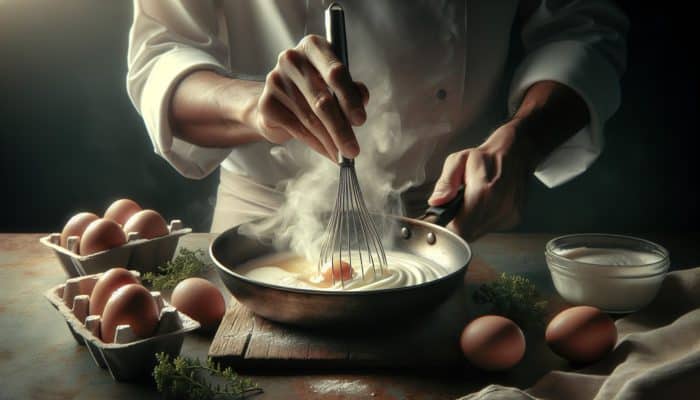
Managing heat is essential for producing creamy scrambled eggs. The temperature at which you cook your eggs can greatly affect their texture and flavour. It is advisable to use low to medium heat, as this helps prevent overcooking and ensures even cooking throughout. High heat could result in the exterior cooking too swiftly while leaving the interior underdone, leading to an undesirable outcome that can ruin your breakfast.
As you enhance your heat control skills, consider these tips for achieving optimal results:
- Start with a cold pan; allow the pan to heat gradually alongside the eggs.
- Adjust the heat as needed; if the eggs begin to sizzle or bubble, reduce the temperature.
- Use a lid intermittently to trap steam, promoting more even cooking.
- Remove the pan from heat just before the eggs are fully set to utilise carryover cooking.
By applying these heat control strategies, you can consistently create perfectly scrambled eggs that are creamy and bursting with flavour, significantly enhancing your breakfast experience.
What Timing and Stirring Techniques Should You Employ for Flawless Scrambled Eggs?
The timing and frequency of stirring during the cooking process have a profound impact on the texture of your scrambled eggs. Continuous stirring encourages smaller curds, leading to a softer texture, while less frequent stirring can result in larger, firmer curds. Finding the right balance is often key to achieving the perfect scramble that everyone craves.
To master this technique, begin by gently pouring the beaten eggs into your preheated pan. Use your spatula to stir continuously, employing a figure-eight motion to ensure even cooking. Timing is crucial; as soon as the eggs start to set, reduce the frequency of stirring to allow larger curds to develop. This approach creates a delightful combination of creamy and fluffy textures in each mouthful, enhancing the overall enjoyment of your scrambled eggs.
What Is the Perfect Cooking Temperature for Achieving Scrambled Eggs?
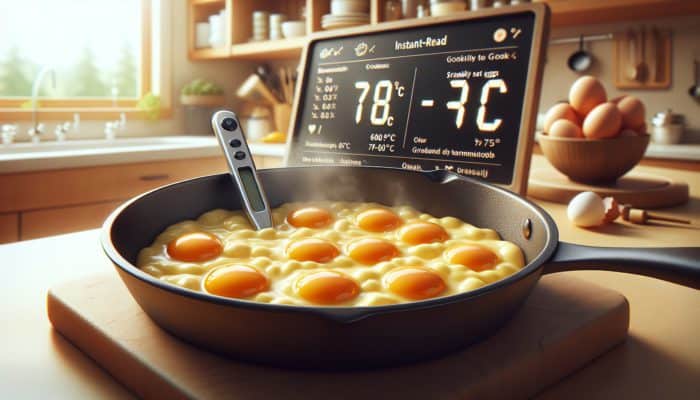
The ideal temperature for scrambled eggs hovers around 70-75°C. Cooking eggs at this temperature allows them to gently cook, preserving their moisture and tenderness. At this range, the proteins in the eggs coagulate perfectly without becoming rubbery, resulting in a light, fluffy texture that is highly sought after by egg enthusiasts.
To achieve this temperature, using an instant-read thermometer can prove advantageous. Insert it into the centre of the eggs to accurately monitor the heat. If you lack a thermometer, keep an eye on the eggs' appearance; they should be softly set with a glossy sheen, indicating they are almost ready. Practising this method will enable you to consistently produce scrambled eggs that are delicious and satisfying to consume.
Why Is Allowing Eggs to Rest Essential for the Best Texture?
Allowing scrambled eggs to rest off the heat is a crucial step that many overlook. This technique permits the eggs to finish cooking gently, ensuring they remain moist and tender. Resting allows residual heat to permeate the eggs, setting them without further cooking, which can lead to dryness and disappointment.
To implement this step, simply remove the pan from the heat just before the eggs are fully cooked. Transfer the mixture to a warm plate or bowl and lightly cover it with foil to retain heat. Allowing the eggs to rest for a minute or two can significantly enhance their texture, transforming your dish from ordinary to extraordinary. Mastering this important step will undoubtedly elevate the overall quality of your scrambled eggs, impressing family and friends alike.
Choosing the Right Pan for Perfect Scrambled Eggs
The type of pan you select can greatly impact the cooking process of your scrambled eggs. A non-stick pan is ideal, as it prevents sticking and allows for smooth stirring and easy removal of the eggs. The material and size of the pan also play a critical role in heat distribution; a heavy-bottomed pan retains heat effectively, ensuring even cooking that is crucial for perfect scrambled eggs.
Opt for a pan with sloped sides, as this design facilitates easy access for stirring and flipping. Additionally, consider the size of your pan; using one that is too small can overcrowd the eggs, leading to uneven cooking. Conversely, a pan that is too large will spread the eggs too thinly, causing them to dry out. Selecting the right pan tailored to your cooking needs is essential for achieving perfect scrambled eggs that delight the palate and satisfy the senses.
Enhancing Flavours and Textures in Your Scrambled Eggs
How to Incorporate Fresh Herbs and Spices for Added Flavour
Boosting the flavour of scrambled eggs with herbs and spices can elevate this simple dish into a culinary delight that tantalises the taste buds. Fresh herbs such as chives, dill, or parsley can infuse a burst of flavour and vibrant colour, making your meal visually appealing as well. Spices like paprika or black pepper can provide a delightful kick that contrasts beautifully with the creaminess of the eggs.
Timing is essential when adding these flavour-enhancing ingredients. Incorporate delicate herbs right at the end of cooking to maintain their fresh taste and vivid colour. For more robust herbs and spices, adding them a minute or two earlier allows their flavours to meld beautifully with the eggs. This thoughtful approach to seasoning results in a layered and harmonious dish, ensuring each bite is an experience worth savouring.
Utilising Dairy and Fats to Achieve Creaminess in Scrambled Eggs
Incorporating dairy products like milk, cream, or butter into your scrambled eggs can add richness and depth to the dish, enhancing both flavour and texture. These ingredients not only elevate taste but also contribute to achieving that desirable creamy texture that everyone adores. The fat content found in dairy assists in emulsifying the eggs, resulting in a luscious mouthfeel that significantly enhances your scrambled eggs.
When adding dairy, use it judiciously—a simple splash of milk or cream mixed into the eggs before cooking can work wonders. Butter should be added to the pan before the eggs, allowing it to melt and coat the surface. This not only enriches the flavour but also prevents sticking, ensuring your eggs slide out effortlessly. Experimenting with various types and quantities of dairy will help you uncover your ideal scramble that aligns with your personal taste.
What Crunchy Ingredients Can Enhance Your Scrambled Eggs?
Incorporating crunch into your scrambled eggs can create an exciting textural contrast, making your breakfast more satisfying and enjoyable. Ingredients like chopped nuts, crispy bacon, or even sautéed vegetables can provide that delightful crunch that elevates the overall dish. These elements should be added just before serving to maintain their crispness and enhance your scrambled eggs.
For instance, crispy bacon can be chopped and sprinkled over the top, or toasted pine nuts can be added for a nutty flavour and satisfying crunch. Sautéed onions or bell peppers can also be integrated for a wholesome crunch. The key is to balance these crunchy elements with the creaminess of the scrambled eggs, resulting in a well-rounded dish that excites the palate, transforming breakfast into an extraordinary experience.
Averting Common Pitfalls When Preparing Scrambled Eggs
How to Avoid Overcooking Your Scrambled Eggs?
Overcooking is arguably the most frequent mistake made while preparing scrambled eggs, leading to dry, rubbery results that are far from appetising. The secret to avoiding this pitfall is to remove the eggs from the heat while they are still slightly underdone. They will continue to cook from residual heat as they rest, achieving the perfect consistency without sacrificing moisture.
To prevent overcooking, keep a close eye on the cooking process. Stir the eggs continuously and remain vigilant about their appearance. When they begin to set, promptly remove them from the heat. This straightforward technique will ensure your scrambled eggs remain soft, creamy, and delectable, creating a breakfast that is not only visually appealing but also enjoyable to the palate.
How Does Selecting the Right Pan Affect the Quality of Scrambled Eggs?
Utilising an unsuitable pan can significantly impede your ability to create perfect scrambled eggs. A non-stick pan is vital for preventing the eggs from sticking and ensuring they cook evenly. Standard pans may cause the eggs to cling to the surface, resulting in a messy situation and uneven cooking that can spoil your breakfast experience.
Investing in a high-quality non-stick pan specifically designed for cooking eggs can yield outstanding results. When using the correct pan, ensure it is preheated and adequately greased with butter or oil to further prevent sticking. By choosing the appropriate cookware, you set yourself up for success in crafting delightful scrambled eggs that are both visually pleasing and delicious.
What Are the Effects of Salt Timing on Scrambled Eggs?
The timing of when you add salt to your scrambled eggs can dramatically influence their texture and quality. Adding salt too early can break down the proteins in the eggs, leading to watery scrambled eggs that lack the desired richness and fluffiness. Instead, it is best to add salt just before or after cooking, preserving the integrity of the proteins and ensuring a delightful outcome.
Experimenting with salt timing can yield varied results. For a deeper flavour, adding a pinch of salt to the beaten eggs can season them beautifully without compromising texture. However, salting them in the pan while cooking can draw out moisture, resulting in an undesirable consistency. Mastering the timing of salt addition is a crucial step in perfecting your scrambled eggs and achieving that restaurant-quality taste in your own kitchen.
Why Is Continuous Stirring Crucial for Scrambled Eggs?
Failing to stir the eggs continuously can result in uneven cooking and large, rubbery curds that are far from ideal. For the best texture, maintain gentle stirring throughout the cooking process. Continuous movement of the eggs ensures they cook uniformly, creating a soft and creamy consistency that everyone desires.
Adopting a systematic approach to stirring can significantly enhance the final dish. Use a silicone spatula for a gentle touch, and stir in a figure-eight motion, ensuring you reach the edges of the pan. Maintaining a consistent stirring rhythm allows for even heat distribution, leading to a delightful and creamy scramble that will impress anyone at the breakfast table.
How Does Using Room Temperature Ingredients Influence Scrambled Eggs?
Starting with cold eggs and milk can dramatically lower the pan's temperature, causing the eggs to cook unevenly and resulting in a less than desirable scrambled egg dish. For optimal results, use room temperature ingredients. This simple tip can help achieve a smoother and more cohesive texture in your scrambled eggs.
To prepare, take the eggs out of the refrigerator at least 30 minutes before cooking. Ensure that milk or cream also reaches room temperature. By allowing your ingredients to come to temperature, you can ensure a quicker and more consistent cooking process, facilitating a perfect scramble every time that will leave you craving more.
Evidence-Based Advantages of Techniques for Crafting Perfect Scrambled Eggs
The Nutritional Advantages of Including Scrambled Eggs in Your Diet
Scrambled eggs are not just a delightful breakfast option; they also possess remarkable nutritional benefits that can bolster your overall health. Eggs serve as an excellent source of protein, vitamins, and minerals, including Vitamin D, choline, and selenium. These nutrients contribute to overall health and well-being, making scrambled eggs a nutritious choice for any meal of the day.
Incorporating scrambled eggs into your diet delivers essential amino acids that support muscle development and repair. Furthermore, they are relatively low in calories, making them an ideal addition to a balanced diet. The versatility of scrambled eggs allows for various ingredients to be added, enhancing their nutritional profile and making them even healthier.
How Do Scrambled Eggs Influence Satiety and Weight Management?
Scrambled eggs have a significant impact on satiety due to their high protein content. Consuming a protein-rich breakfast can lead to increased feelings of fullness, which may help regulate hunger throughout the day. This can be particularly advantageous for those looking to manage their weight or reduce snacking between meals, making scrambled eggs a wise breakfast choice.
Research indicates that incorporating protein into breakfast can enhance overall dietary adherence and improve energy levels. The combination of protein and healthy fats found in scrambled eggs delivers sustained energy, helping to keep you satisfied for longer periods. Whether enjoyed in a traditional manner or with creative additions, scrambled eggs can play a vital role in a balanced breakfast routine that fuels your day.
How Do Scrambled Eggs Support Overall Health?
Regular consumption of scrambled eggs can positively contribute to a balanced diet. They are rich in essential nutrients that support overall health and well-being. Including eggs as part of a varied diet can help maintain energy levels and promote optimal physical and mental function, making them a valuable addition to your meals.
- Rich source of high-quality protein that aids muscle recovery.
- Provides essential vitamins and minerals necessary for various bodily functions.
- Supports muscle repair and growth, especially post-exercise.
- Contributes to healthy brain function, enhancing cognitive abilities.
- Helps maintain healthy skin and eyes, contributing to overall wellness.
Beyond their nutritional content, the versatility of scrambled eggs allows them to be incorporated into various recipes, ensuring they remain a staple in healthy eating practices.
How Do Scrambled Eggs Affect Cognitive Function?
Scrambled eggs contain choline, a crucial nutrient for brain health. Choline is vital for the production of neurotransmitters that play a significant role in memory and cognitive function. Regularly incorporating scrambled eggs into your diet can support brain health, enhancing memory and cognitive capabilities, which becomes increasingly important as we age.
Including eggs in your diet helps ensure that you meet your daily recommended intake of choline. The rich nutrient profile of scrambled eggs makes them an excellent addition to breakfast, providing not only energy but also vital support for cognitive function throughout the day, keeping your mind sharp and focused.
What Role Do Scrambled Eggs Play in Muscle Recovery and Growth?
The high protein content found in scrambled eggs is particularly beneficial for muscle repair and growth, making them an ideal post-workout meal. Consuming protein-rich foods after exercise aids in muscle recovery, effectively replenishing and building muscle tissues. Scrambled eggs serve as a delicious and convenient option for those aiming to optimise their recovery and performance.
Additionally, the combination of protein and healthy fats found in scrambled eggs provides sustained energy, making them a perfect choice for athletes and fitness enthusiasts. Whether enjoyed alone or paired with other nutritious ingredients, scrambled eggs can support your fitness goals while delivering a tasty experience that is both satisfying and nourishing.
Discovering Unique Variations and Recipes for Scrambled Eggs
What Unique Scrambled Egg Recipes Can You Experiment With?
Exploring different ingredients can lead to exciting scrambled egg dishes that break the monotony of breakfast. Consider incorporating a variety of cheeses, such as feta, cheddar, or goat cheese, to enhance the flavour and richness of your eggs. Adding vegetables like spinach, tomatoes, or bell peppers can provide colour and boost the nutritional value of your dish.
For a twist, try international variations like shakshuka, where eggs are poached in a spiced tomato sauce, or huevos rancheros, featuring eggs served on tortillas with beans and salsa. The possibilities are limitless; you can even explore fusion dishes by incorporating Asian flavours, such as sesame oil and green onions, for a unique breakfast experience. With creativity and a willingness to experiment, you can transform traditional scrambled eggs into an exciting culinary adventure that delights the senses.
How to Make Use of Leftover Ingredients in Your Scrambled Eggs
Leftover vegetables, meats, or grains can be creatively incorporated into scrambled eggs for a quick and delicious meal that helps minimise waste. This approach not only adds flavour and texture to your scramble but also utilises ingredients that might otherwise go unused. For instance, leftover roasted vegetables can provide a hearty base, while diced meats like ham or chicken can add protein-rich substance.
To maximise the use of your leftovers, sauté them briefly before adding the eggs, allowing the flavours to meld beautifully before incorporating the main ingredient. This method creates a satisfying and nutritious dish that transforms leftover ingredients into a delightful breakfast or brunch option. By utilising what you have on hand, you can craft unique scrambled egg variations that are both economical and delicious, enhancing your cooking experience.
How to Create Decadent Scrambled Egg Omelets?
Scrambled egg omelets combine the fluffiness of scrambled eggs with the structure of an omelet, resulting in a versatile dish that is perfect for breakfast or brunch. To create a scrambled egg omelet, begin by whisking your eggs with a splash of milk or cream for added richness. Heat your non-stick pan and pour in the egg mixture.
As the eggs begin to set, gently push the cooked edges towards the centre while tilting the pan to allow the uncooked eggs to flow to the edges. This technique creates a fluffy texture that is satisfying to eat. Once the eggs are nearly cooked but still slightly runny, add your desired fillings, such as cheese, vegetables, or meats. Fold the omelet in half and let it sit for another minute to finish cooking. This method results in a beautifully fluffy scrambled egg omelet that is both satisfying and delicious.
Effective Serving and Presentation Techniques for Scrambled Eggs
Creative Plating Ideas to Enhance Your Scrambled Eggs
Arranging scrambled eggs aesthetically on a plate can significantly elevate the dining experience. Presentation plays a crucial role in how we perceive food, and a well-plated dish can transform even the simplest meal into something special. Consider using colourful garnishes, such as fresh herbs or a sprinkle of paprika, to enhance the visual appeal of your scrambled eggs.
In addition to garnishing, consider the shape and colour of your plate. A white or brightly coloured plate can provide a beautiful contrast against the golden hue of the eggs, allowing them to stand out. Layering the eggs with other ingredients, such as sautéed vegetables or crispy bacon, can add depth and dimension to the presentation, making your dish not only delicious but also visually stunning and tempting.
Selecting the Best Accompaniments for Your Scrambled Eggs
Choosing the right accompaniments can beautifully complement scrambled eggs, creating a well-rounded meal. Toast, fruit, or a light side salad can create a balanced and satisfying breakfast experience. For instance, a slice of buttery toast enhances the overall experience and provides a delicious vehicle for the creamy eggs. Fresh fruit adds a refreshing contrast, while a light side salad can introduce a crunch that balances the richness of the eggs.
When picking accompaniments, consider flavour harmony and contrasting textures. Pairing scrambled eggs with crispy bacon or sausage can provide a satisfying crunch, while a dollop of salsa or avocado can introduce a creamy element. Thoughtfully chosen accompaniments elevate your scrambled eggs into a well-rounded dining experience that delights both the palate and the eye.
How to Keep Scrambled Eggs Warm Without Overcooking?
Keeping scrambled eggs warm without overcooking them can be a challenge when preparing breakfast for a crowd. To maintain their temperature without continuing to cook the eggs, consider employing a double boiler method. Place a heatproof bowl over a pot of simmering water, ensuring the bottom of the bowl does not touch the water. This gentle, indirect heat will keep your eggs warm and fluffy without further cooking.
Alternatively, serving the eggs on a warm plate or covering them with foil can also effectively help retain heat. The objective is to prevent the eggs from cooling too quickly while avoiding further cooking that can lead to dryness. Mastering this technique is vital for maintaining the quality of your scrambled eggs right up until serving.
Proper Storage and Reheating Techniques for Scrambled Eggs
Effective Storage Solutions for Leftover Scrambled Eggs
Properly storing scrambled eggs is crucial for maintaining their freshness and quality. Transfer any leftover scrambled eggs into an airtight container and store them in the refrigerator. When stored correctly, scrambled eggs can last up to four days, allowing for convenient meals throughout the week.
For optimal storage, ensure the eggs have cooled to room temperature before sealing them in the container. This precaution helps prevent moisture buildup, which can negatively affect texture and flavour. When reheating, aim to restore their original creamy consistency without overcooking, ensuring a delightful experience upon serving that will remind you of the freshly made dish.
Best Practices for Reheating Scrambled Eggs
Reheating scrambled eggs requires care to avoid overcooking, which can ruin their texture and flavour. The goal is to gently raise the temperature without drying them out. Consider using a low heat setting on the stove while stirring frequently to warm the eggs evenly. Alternatively, you can use a microwave on medium power, reheating in short intervals of 30 seconds and stirring in between to ensure even warming.
By taking the time to reheat scrambled eggs properly, you can enjoy a meal that tastes just as good as when it was first prepared. This attention to detail not only preserves the flavour but also enhances the overall dining experience, allowing you to savour every bite.
Can You Freeze Scrambled Eggs for Future Use?
Yes, you can freeze scrambled eggs for up to three months, making them a convenient option for meal prep. To do this, allow the scrambled eggs to cool completely, then portion them into airtight containers or freezer bags. This method ensures easy reheating and use, allowing you to enjoy scrambled eggs at your convenience without compromising quality.
When reheating frozen scrambled eggs, thaw them in the refrigerator overnight before gently warming them on the stovetop or in the microwave. This careful approach helps maintain their texture and flavour, ensuring you have a tasty meal even after freezing, making scrambled eggs a versatile dish that can be enjoyed anytime.
Food Safety Guidelines for Storing and Reheating Scrambled Eggs
To ensure food safety when storing and reheating scrambled eggs, always allow them to cool before sealing them in an airtight container. This step prevents bacterial growth, ensuring your meal remains safe to eat. When reheating, ensure the eggs reach an internal temperature of at least 74°C to guarantee they are safe for consumption, providing peace of mind while enjoying your delicious dish.
By following these safety tips, you can enjoy your scrambled eggs without compromising quality or safety. Proper storage and reheating practices will ensure that your delightful creation remains just as enjoyable the next time you serve it, making your scrambled eggs a reliable choice for any meal.
Frequently Asked Questions About Scrambled Eggs
What is the best type of pan for cooking scrambled eggs?
The best type of pan for scrambled eggs is a non-stick skillet. It allows for easy stirring and prevents the eggs from sticking, ensuring even cooking for a perfect scramble that everyone will enjoy.
How long should you typically cook scrambled eggs?
Scrambled eggs typically take about 5 to 7 minutes to cook on low to medium heat. It's important to stir continuously for even cooking and to achieve that creamy texture.
Can I add cheese to my scrambled eggs for extra flavour?
Yes, adding cheese to scrambled eggs enhances flavour and creaminess. Incorporate cheese just before the eggs finish cooking for optimal meltiness and that delicious cheesy goodness.
What herbs work best with scrambled eggs?
Fresh herbs like chives, dill, and parsley pair beautifully with scrambled eggs. Add them towards the end of cooking to maintain their vibrant flavour and colour, enhancing your dish.
How can I make my scrambled eggs fluffier?
To make scrambled eggs fluffier, whisk them well before cooking, and include a splash of milk or cream. Cooking over low heat while stirring continuously also helps achieve a fluffy texture that everyone loves.
Is it safe to eat leftover scrambled eggs?
Yes, scrambled eggs can be safely stored in an airtight container in the refrigerator for up to four days. Ensure they are reheated to at least 74°C before consumption to enjoy them safely.
What’s the ideal cooking temperature for scrambled eggs?
The ideal cooking temperature for scrambled eggs is around 70-75°C. This gentle heat preserves moisture and tenderness without overcooking, resulting in a delightful dish.
Can I freeze scrambled eggs for later use?
Yes, scrambled eggs can be frozen for up to three months. Cool them completely and store in portion-sized containers for convenient reheating at any time.
How do I prevent scrambled eggs from becoming dry?
To prevent dryness, remove scrambled eggs from heat while they are still slightly undercooked. They will continue to cook from residual heat during resting, ensuring a soft and creamy texture.
What is the best way to reheat scrambled eggs without losing quality?
The best way to reheat scrambled eggs is on low heat on the stovetop, stirring frequently. Alternatively, use a microwave in short intervals to warm gently without overcooking, preserving their delightful taste.
Connect with us on Facebook!
The post Techniques for Perfect Scrambled Eggs: Master the Art appeared first on https://cookinggods.com
The Article Perfect Scrambled Eggs: Master Essential Cooking Techniques Was Found On https://limitsofstrategy.com