Maximise Your Summer Sports Performance Through Optimal Electrolyte Intake
Understanding Electrolytes: The Key Minerals Driving Athletic Success
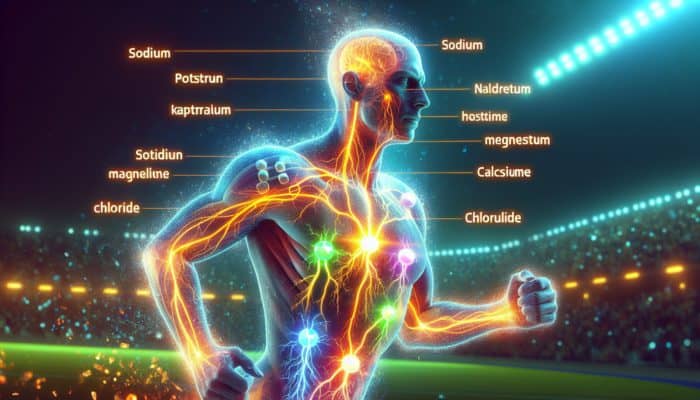
Electrolytes are vital minerals with an electric charge, essential for various physiological processes, particularly in the challenging environment of summer sports. These crucial minerals help to regulate hydration, facilitate nerve signalling, support muscle contractions, and maintain a balanced acid-base balance. Athletes must pay attention to significant electrolytes such as sodium, potassium, magnesium, calcium, and chloride, as each mineral has unique roles vital to enhancing athletic performance:
- Sodium: Crucial for maintaining fluid balance, sodium is vital for effective nerve impulse transmission and muscle contractions.
- Potassium: This essential mineral aids in muscle function and plays a key role in regulating heart rhythms and nerve signalling.
- Magnesium: Involved in over 300 biochemical reactions, magnesium is crucial for both muscle function and energy production.
- Calcium: Important for muscle contractions and bone health, calcium also contributes to hormone release.
- Chloride: Working alongside sodium, chloride helps maintain fluid balance and is essential for proper digestive function.
As athletes engage in summer sports, they face considerable electrolyte loss due to perspiration. Understanding how to effectively replenish these minerals is essential, as it not only enhances performance but also protects health during high-temperature physical activities. This knowledge empowers athletes to perform at their peak while minimising health risks.
Understanding the Dangers of Electrolyte Imbalance: Essential Insights for Athletes
Electrolyte imbalances can pose serious threats to athletes, particularly during summer sports. Dehydration, exacerbated by heat, can lead to debilitating conditions such as muscle cramps, weakness, fatigue, and severe heat-related illnesses, including heat exhaustion or heat stroke. Early recognition of symptoms is vital; athletes may begin to feel nausea, dizziness, or confusion as their bodies struggle to cope with the loss of these essential minerals. Spotting these warning signs can be crucial in preventing serious health issues.
Moreover, electrolyte imbalances can considerably impede athletic performance. For example, low sodium levels can lead to a condition called hyponatremia, which manifests through symptoms like headaches and impaired coordination. Athletes may misattribute these symptoms to general fatigue instead of recognising them as indicators of dehydration and electrolyte depletion. Thus, closely monitoring electrolyte levels and maintaining proper hydration should be a top priority for anyone involved in summer sports.
Being aware of the signs of electrolyte imbalance requires athletes to stay attuned to their bodies. Educating themselves about the symptoms of dehydration and electrolyte imbalance empowers athletes to manage their hydration and electrolyte intake proactively. This proactive approach not only enhances athletic performance but also protects against potential health risks, underscoring the importance of maintaining a proper electrolyte balance.
Identifying the Best Sources of Electrolytes for Optimal Athletic Performance
Replenishing electrolytes is a critical component for athletes aiming to sustain optimal levels during summer sports activities, and there are numerous sources available. Sports drinks are specifically designed to provide a balanced mix of electrolytes, making them a convenient option for quick replenishment. However, natural foods and supplements also serve as excellent sources of electrolytes. Some key sources include:
- Fruits: Bananas and oranges are particularly rich in potassium, a mineral essential for proper muscle function.
- Vegetables: Leafy greens like spinach and root vegetables such as sweet potatoes are important sources of both magnesium and potassium.
- Nuts: Almonds and cashews are fantastic sources of magnesium, which is vital for muscle function and recovery.
- Dairy products: Foods like milk and yogurt provide calcium and other essential minerals necessary for optimal health.
- Electrolyte supplements: Available in various forms, these can be tailored to meet individual needs.
In addition to these natural sources, athletes must also be mindful of their hydration methods. Consuming fluids that contain electrolytes, such as coconut water or specially formulated electrolyte-infused water, can effectively help maintain balance. By understanding and incorporating these sources into their daily nutrition, athletes can prevent deficiencies during rigorous summer sports and enhance their overall performance.
Valuable Expert Insights on Effective Electrolyte Management for Summer Sports

Customising Electrolyte Intake to Meet Individual Needs: Expert Guidance
Experts suggest that athletes should tailor their electrolyte intake according to their unique needs, levels of activity, and environmental conditions. Various factors, such as the intensity of the sport, the duration of the activity, and the surrounding climate, significantly influence the quantity of electrolytes required for optimal performance. For instance, a marathon runner competing in humid conditions may need considerably more sodium and potassium than someone participating in lighter recreational activities.
Many athletes manage their electrolyte consumption through a combination of dietary sources and sports drinks. For example, professional long-distance runners typically consume electrolyte beverages before, during, and after races to maintain their sodium and potassium levels. Triathletes often rely on electrolyte gels and chews during competitions to sustain energy levels throughout their events.
Coaches and sports nutritionists highlight the critical importance of pre-hydration—consuming fluids containing electrolytes at least one hour before exercise—followed by consistent hydration during the activity. This proactive strategy significantly aids athletes in maintaining an appropriate electrolyte balance, preventing performance dips and health complications during demanding summer sports.
Recognising Signs of Proper Electrolyte Levels in Athletes
Maintaining adequate electrolyte levels is essential for achieving peak athletic performance. Athletes should be vigilant for indicators of a healthy balance, such as normal hydration, sustained energy levels, and the absence of muscle cramps. Additionally, experiencing an overall sense of well-being during physical activity often signifies effective electrolyte management.
Athletes are encouraged to monitor their hydration status, aiming for clear or light-coloured urine as a sign of optimal fluid balance. Conversely, dark urine typically suggests dehydration, indicating an urgent need to replenish fluids and electrolytes. Furthermore, the absence of cramps or excessive fatigue during and after exercise serves as another key indicator that electrolyte levels are being sufficiently maintained.
Moreover, athletes should cultivate self-awareness regarding how their bodies respond to varying exertion levels and hydration. Keeping a hydration journal can be a valuable tool, enabling athletes to track their fluid intake, sweat loss, and performance outcomes. These insights can inform future electrolyte management strategies, fostering a more adaptive approach to hydration needs during summer sports.
Effective Strategies for Maintaining Electrolyte Balance During Summer Sports
Maintaining electrolyte balance during summer sports necessitates strategic planning and execution. Key strategies include pre-hydration, continuous intake during activities, and post-exercise replenishment. Athletes should initiate their hydration efforts well in advance of physical activity, ensuring they are fully prepared for the challenges ahead.
Pre-hydration entails consuming fluids enriched with electrolytes at least one hour before exercise, allowing the body to absorb and utilise these essential minerals efficiently. During physical activities, athletes should consume electrolyte beverages or snacks at regular intervals, such as sipping an electrolyte drink every 15 to 20 minutes during intense exertion.
After exercise, replacing lost electrolytes is critical for recovery and preparation for upcoming activities. This can be achieved through well-balanced meals that incorporate fruits, vegetables, and lean proteins, alongside targeted electrolyte drinks. Athletes should evaluate their sweat rates and the intensity of their workouts when determining the amount they need to replenish. By recognising personal hydration needs and implementing these strategies, athletes can effectively maintain electrolyte balance, thereby enhancing their performance and overall health during summer sports.
Utilising Electrolytes for Maximum Athletic Performance
Electrolytes: The Foundation of Optimal Muscle Function
Electrolytes play a critical role in muscle function, particularly in the context of summer sports. They facilitate muscle contractions and nerve impulses, ensuring that muscles respond effectively to signals from the nervous system. The presence of key electrolytes, such as sodium and potassium, is essential for maintaining proper muscle function during physical exertion.
When electrolyte levels are properly balanced, muscles can contract efficiently, allowing athletes to perform at their peak. For instance, sodium aids in drawing water into muscle cells, which is vital for hydration and optimal contraction. Conversely, low sodium levels can lead to muscle cramps and diminished athletic performance.
Magnesium is also integral to muscle health, as it contributes to muscle relaxation. An adequate supply of magnesium helps prevent fatigue and cramping, enabling athletes to sustain peak performance even under the sweltering conditions typical of summer sports. Recognising the intricate relationship between electrolytes and muscle function empowers athletes to prioritise their intake, ensuring effective training and competition outcomes.
The Role of Electrolytes in Enhancing Endurance Performance
Electrolytes significantly impact endurance performance, serving as a cornerstone for maintaining hydration and energy levels during extended physical activities. One of the primary functions of electrolytes is to uphold fluid balance within the body, a crucial component for athletes aiming to sustain their energy levels over prolonged periods, thereby enhancing performance in endurance sports such as long-distance running, cycling, and triathlons.
During high-intensity activities, athletes lose not only water but also essential electrolytes through sweat. This loss can result in dehydration, decreased endurance, and impaired physical and cognitive function. Adequate electrolyte intake is vital in mitigating these adverse effects, empowering athletes to perform at higher intensities for longer durations. Research indicates that athletes maintaining optimal electrolyte levels experience less fatigue and better sustain their performance compared to those who do not.
Furthermore, electrolytes assist in regulating body temperature, which is especially critical during endurance sports in hot conditions. By effectively managing hydration with a focus on electrolytes, athletes can optimise their endurance capabilities, remaining competitive and healthy throughout their sporting endeavours.
Electrolytes as Crucial Supports for Recovery
Post-exercise recovery is a vital phase for athletes participating in summer sports, and electrolytes play an essential role in this process. After intense physical exertion, the body requires replenishment of lost minerals to restore muscle function and energy levels. Electrolytes are crucial during recovery, supporting muscle tissue repair and helping to restore fluid balance.
Sodium, potassium, and magnesium are key electrolytes that assist in alleviating muscle soreness and cramping, enabling athletes to recover more rapidly. For example, sodium promotes fluid retention, aiding rehydration and supporting overall recovery efforts. Meanwhile, potassium contributes to muscle repair and function, while magnesium helps to reduce inflammation.
Athletes should focus on incorporating electrolyte-rich foods and drinks immediately after exercising to maximise the recovery benefits. Consuming a balanced meal that includes carbohydrates, proteins, and electrolytes can effectively restore energy levels and facilitate muscle repair. This recovery strategy is especially vital for athletes who engage in frequent training sessions or competitions in hot conditions, ensuring they are well-prepared for their next performance.
Maintaining Hydration Balance Through Electrolytes
Electrolytes are crucial for regulating fluid balance in the body, making them indispensable for maintaining hydration during intense summer sports. Proper hydration involves more than just fluid intake; it requires sustaining a delicate equilibrium of electrolytes to support overall performance and health. Without sufficient electrolytes, even the most effective hydration strategies can falter, potentially resulting in dehydration and diminished performance.
The role of electrolytes in maintaining fluid balance is especially critical during summer months when athletes sweat profusely. Sodium, for instance, aids the body in retaining fluids, ensuring stable hydration levels. Potassium and magnesium also play essential roles in regulating fluid distribution, which is vital for optimal cellular function. This balance is crucial for athletes participating in prolonged physical activities, as it helps prevent heat-related illnesses and maintains energy levels.
Athletes should develop a hydration plan that emphasises both fluid and electrolyte intake to sustain optimal hydration levels. This may involve consuming electrolyte-infused beverages before, during, and after exercise to maintain ideal hydration. Being attuned to body signals, such as thirst and urine colour, can further guide hydration efforts, ensuring that athletes maintain the necessary balance for peak performance.
Strategising Effective Electrolyte Supplementation for Athletic Excellence
Strategic electrolyte supplementation can greatly enhance performance for athletes aiming to optimise their capabilities during summer sports. The timing, type, and concentration of electrolytes consumed can greatly influence an athlete's ability to maintain hydration and balance.
Pre-exercise supplementation is advisable for athletes engaging in prolonged or high-intensity activities. Consuming an electrolyte drink or supplement about one hour prior to exercise can help ensure that adequate levels are available during exertion. Throughout the activity, athletes should continue to supplement electrolytes every 15 to 30 minutes, especially in hot weather where sweat loss is heightened.
Following exercise, replenishing lost electrolytes is critical for recovery. This can be accomplished through a combination of whole foods—such as bananas for potassium and salty snacks for sodium—and electrolyte drinks that provide quick rehydration options. Athletes should tailor their supplementation strategies based on individual sweat rates and exercise intensities to effectively support both performance and recovery.
Implementing Hydration Techniques with Electrolytes for Optimal Performance
Proven Hydration Techniques for Optimal Summer Sports Performance
Implementing effective hydration techniques is essential for athletes participating in summer sports, as proper hydration supports performance and helps prevent heat-related illnesses. Key hydration strategies include consuming fluids enriched with electrolytes before, during, and after exercise to maintain balance and enhance performance.
- Pre-hydration: Drink fluids containing electrolytes at least one hour prior to exercise.
- During exercise: Consume electrolyte drinks every 15-20 minutes to replenish lost minerals.
- Post-exercise: Replenish lost fluids and electrolytes with a balanced meal and electrolyte-rich beverages.
- Monitor hydration: Observe the colour of your urine to ensure adequate hydration levels.
- Adjust intake: Tailor fluid consumption to suit individual sweat rates and environmental conditions.
These hydration techniques help counteract the effects of sweating and ensure athletes maintain optimal performance levels. Establishing a routine that incorporates these strategies not only enhances athletic output but also promotes overall health, making hydration a vital aspect of any summer sports programme.
Understanding the Critical Timing of Electrolyte Intake for Performance
The timing of electrolyte intake is a crucial factor for achieving optimal hydration and performance in summer sports. Athletes should aim to consume electrolytes at specific intervals throughout their training and competition schedules to maintain balance and prevent dehydration.
Before physical activity, it is essential to consume electrolytes approximately one hour in advance. This pre-hydration phase allows the body to absorb essential minerals, preparing it for the demands of exercise. During the activity, regular consumption of electrolyte-rich fluids is vital. Athletes should aim to drink every 15 to 30 minutes, particularly in hot conditions where significant sweat loss occurs.
Post-exercise, replenishing electrolytes becomes essential for effective recovery. Consuming electrolyte-rich foods and drinks immediately after physical exertion helps restore lost minerals and promote muscle repair. This systematic approach to timing ensures that athletes stay hydrated and can mitigate the risks associated with heat and prolonged exertion, ultimately enhancing their overall performance.
Choosing Quality Electrolyte-Rich Beverages for Effective Hydration
Electrolyte-rich beverages are a critical component of hydration strategies for athletes engaged in summer sports. These drinks are specifically formulated to replenish lost minerals and maintain optimal hydration levels during intense physical activities. Common options among athletes include sports drinks, coconut water, and specialised electrolyte supplements.
Sports drinks are widely recognised for their ability to deliver a balance of carbohydrates and electrolytes, making them suitable for both hydration and energy replenishment. Athletes often choose these drinks due to their convenience and appealing flavours, encouraging regular consumption during exercise. Coconut water, a natural alternative, offers a rich source of potassium and is frequently preferred for its refreshing taste and lower sugar content.
When selecting electrolyte-rich beverages, athletes should consider factors such as their activity level, sweat rate, and personal preferences. Tailoring beverage choices to meet specific hydration needs can significantly enhance both performance and recovery, allowing athletes to excel in the demanding conditions of summer sports.
The Profound Impact of Hydration on Athletic Performance
Proper hydration with electrolytes can markedly enhance athletic performance, particularly during summer sports. When athletes maintain optimal hydration levels, they are better equipped to perform at their peak, effectively minimising fatigue and maximising endurance.
Research indicates that dehydration can lead to diminished athletic performance, including impaired cognitive function, reduced strength, and lower endurance. The inclusion of electrolytes helps counteract these detrimental effects by supporting fluid balance and muscle function. For instance, sodium is critical for regulating blood volume and preventing cramping, while potassium is vital for muscle contraction and nerve signalling.
Athletes who prioritise hydration and electrolyte balance often experience improved physical performance and mental clarity during intense summer sports. By developing a hydration strategy that incorporates electrolyte-rich fluids, athletes can enhance their stamina, reduce the risk of heat-related illnesses, and optimise their overall athletic experience.
Scientific Insights: Understanding the Benefits of Electrolytes in Summer Sports
Research Findings Highlighting Electrolytes and Heat Stress Management
Research underscores that electrolytes play a vital role in managing the effects of heat stress during summer sports activities. As athletes engage in strenuous physical exertion, particularly in hot and humid conditions, the risk of dehydration and heat-related illnesses rises. Studies indicate that adequate electrolyte intake can enhance performance and reduce heat stress, allowing athletes to maintain optimal body temperature and physiological function.
Athletes who are well-hydrated and possess balanced electrolyte levels are less likely to suffer from heat exhaustion, cramping, or fatigue. This is especially critical for endurance athletes who may spend extended periods exercising in elevated temperatures. The protective effects of electrolytes contribute to sustaining cardiovascular stability, preventing electrolyte imbalances, and enhancing overall athletic output.
Understanding the significance of electrolytes in heat management empowers athletes to make informed choices regarding their hydration strategies. By prioritising electrolyte intake, athletes can optimise their performance, minimise health risks, and thrive in challenging summer sports conditions.
Research Evidence Supporting the Benefits of Electrolyte Supplementation
Numerous studies have demonstrated that electrolyte supplementation can enhance performance and reduce the risk of heat-related illnesses during summer sports. Research indicates that athletes who consume electrolyte-rich beverages and supplements are better equipped to maintain fluid balance and muscle function, positively impacting their overall athletic performance.
For instance, studies have shown that athletes participating in prolonged endurance events derive significant benefits from electrolyte supplementation. These supplements can help sustain hydration, enhance endurance, and reduce the likelihood of muscle cramps. Furthermore, consuming electrolyte drinks during exercise has been linked to improved recovery times and reduced fatigue levels.
Understanding the evidence supporting electrolyte supplementation empowers athletes to make informed decisions about their nutrition and hydration strategies. By incorporating proven supplementation practices, athletes can optimise their performance, ensuring they remain competitive and healthy throughout the summer sports season.
The Long-Term Advantages of Effective Electrolyte Management
Long-term management of electrolytes can lead to improved overall health and performance for athletes engaged in summer sports. By establishing consistent hydration and electrolyte replenishment practices, athletes can enhance their physical capabilities and reduce the risk of chronic health issues associated with dehydration and imbalances.
Athletes who prioritise electrolyte management often report enhanced endurance, reduced fatigue, and quicker recovery times. Additionally, maintaining balanced electrolyte intake supports overall health by promoting proper muscle function and cardiovascular well-being. This long-term focus on hydration helps prevent conditions like hyponatremia, which can arise from inadequate sodium levels during intense exercise.
Moreover, the benefits of electrolyte management extend beyond peak performance. Athletes who adopt these practices frequently experience improved mental clarity and focus during competition, contributing to better decision-making on the field or court. By recognising electrolyte management as a crucial aspect of their training regimen, athletes can reap lasting benefits that support both their performance and overall health.
The Role of Electrolytes in Meeting Endurance Sports Hydration Needs
Electrolytes are particularly crucial for sustaining hydration and performance in endurance sports during summer. The prolonged nature of these activities leads to significant fluid and electrolyte loss through sweat. Research emphasises the importance of replenishing lost electrolytes to prevent dehydration and maintain optimal performance.
Endurance athletes often face unique challenges in hot conditions, where hydration becomes paramount. Studies indicate that appropriate electrolyte intake can help sustain energy levels, decrease fatigue, and prevent muscle cramps. For instance, sodium is crucial for fluid retention in the body, while potassium is essential for muscle contractions and nerve function.
By integrating electrolyte-rich fluids and foods into their hydration strategies, endurance athletes can enhance their performance and recovery. Understanding the critical role of electrolytes in hydration enables athletes to optimise their training and competitive experiences, ensuring they remain capable and resilient during the summer sports season.
Dispelling Common Myths About Electrolytes: Essential Insights
Clearing Up Misconceptions Surrounding Electrolytes
A range of myths surrounds electrolytes, often leading to confusion among athletes about their hydration needs. One common misconception is that water alone suffices for hydration. In reality, while water is essential, it lacks the vital electrolytes necessary to maintain proper fluid balance, especially during intense physical activities.
Another myth is that all sports drinks provide equal hydration benefits. In truth, not all beverages deliver the optimal balance of electrolytes. Athletes should select drinks formulated to replenish lost minerals while also providing suitable carbohydrate content. Furthermore, some individuals mistakenly believe that salt is harmful; however, sodium is fundamental for maintaining fluid balance and preventing cramps during exercise.
By addressing these misconceptions, athletes can make informed choices regarding their hydration strategies, ultimately enhancing their performance and overall health during summer sports.
Essential Facts About Electrolyte Requirements for Athletes
Understanding the facts about electrolyte needs is crucial for athletes looking to optimise their hydration strategies. One significant fact is that individual variability plays a considerable role in determining electrolyte requirements. Factors such as body composition, sweat rate, and exercise intensity can all influence an athlete's electrolyte needs during physical activity.
Another important fact is that electrolytes must be replenished regularly during prolonged exercise, particularly in hot conditions. The body loses essential minerals through sweat, and timely replacement is crucial for preventing heat-related illnesses and maintaining optimal performance levels.
Moreover, athletes should recognise that electrolytes are not only vital for hydration but also support essential bodily functions. Sodium, potassium, magnesium, and calcium are critical for muscle function, nerve signalling, and overall health. By acknowledging these facts, athletes can tailor their hydration strategies to meet their specific needs during summer sports.
Finding Reliable Information on Electrolytes and Hydration
Identifying trustworthy information regarding electrolytes requires careful evaluation of sources and the quality of their content. Athletes should seek guidance from reputable organisations, such as sports nutrition associations or accredited health professionals, to ensure they receive accurate and evidence-based recommendations.
Additionally, it is crucial to differentiate between anecdotal evidence and scientifically supported research. Reliable information is usually backed by studies published in peer-reviewed journals, providing a solid foundation for understanding electrolyte needs and management. Athletes should also stay updated on current recommendations from experts in the field, ensuring they have the latest knowledge to enhance their hydration strategies.
Finally, athletes should practice discernment when evaluating online resources. Verifying credentials, searching for citations, and seeking expert opinions are all essential steps in identifying credible information on electrolytes and hydration.
Frequently Asked Questions About Electrolytes
What are electrolytes, and why are they essential for athletes?
Electrolytes are minerals that carry an electric charge, playing a crucial role in maintaining hydration, muscle function, and nerve signalling for athletes. They are particularly important for performance, especially under hot conditions.
How can I identify if I have an electrolyte imbalance?
Signs of an electrolyte imbalance may include muscle cramps, fatigue, dizziness, and headaches. Monitoring hydration levels and urine colour can help indicate electrolyte status.
Which foods are rich in electrolytes?
Foods high in electrolytes include bananas, spinach, sweet potatoes, yogurt, and nuts, providing essential minerals like potassium, magnesium, and calcium.
How much electrolyte should I consume during exercise?
The required amount of electrolyte varies based on sweat rate, exercise intensity, and duration. Athletes should aim for a balance of electrolytes every 15-30 minutes during intense activities.
Are sports drinks necessary for hydration?
While not always necessary, sports drinks can be advantageous for hydration during prolonged or intense exercise, supplying both fluids and essential electrolytes.
Can I obtain enough electrolytes from food alone?
For many athletes, a balanced diet can provide sufficient electrolytes. However, additional supplementation may be necessary during intense exercise to maintain balance.
What is the best method to replenish electrolytes after exercise?
Post-exercise electrolyte replenishment can be achieved through electrolyte-rich foods, beverages, or supplements. A balanced meal that includes carbohydrates, proteins, and minerals is ideal.
How do environmental conditions influence electrolyte needs?
Hot and humid conditions increase sweat loss and the requirement for electrolytes. Athletes should adjust their intake based on environmental factors to maintain optimal hydration.
Is it safe to take electrolyte supplements?
Electrolyte supplements are generally safe when used as directed. However, athletes should consult a healthcare professional to determine individual needs and prevent overconsumption.
What are the consequences of neglecting electrolyte balance?
Ignoring electrolyte balance can lead to dehydration, muscle cramps, fatigue, and heat-related illnesses, severely impacting athletic performance and recovery during summer sports.
Connect with us on Facebook!
The Article Electrolytes in Summer Sports: Essential Hydration Guide appeared first on https://athleticsupplement.com
The Article Essential Hydration Guide: Electrolytes for Summer Sports Was Found On https://limitsofstrategy.com